
How Flatbed Towing Works: Step-By-Step for First-Time Customers in Honolulu
Introduction
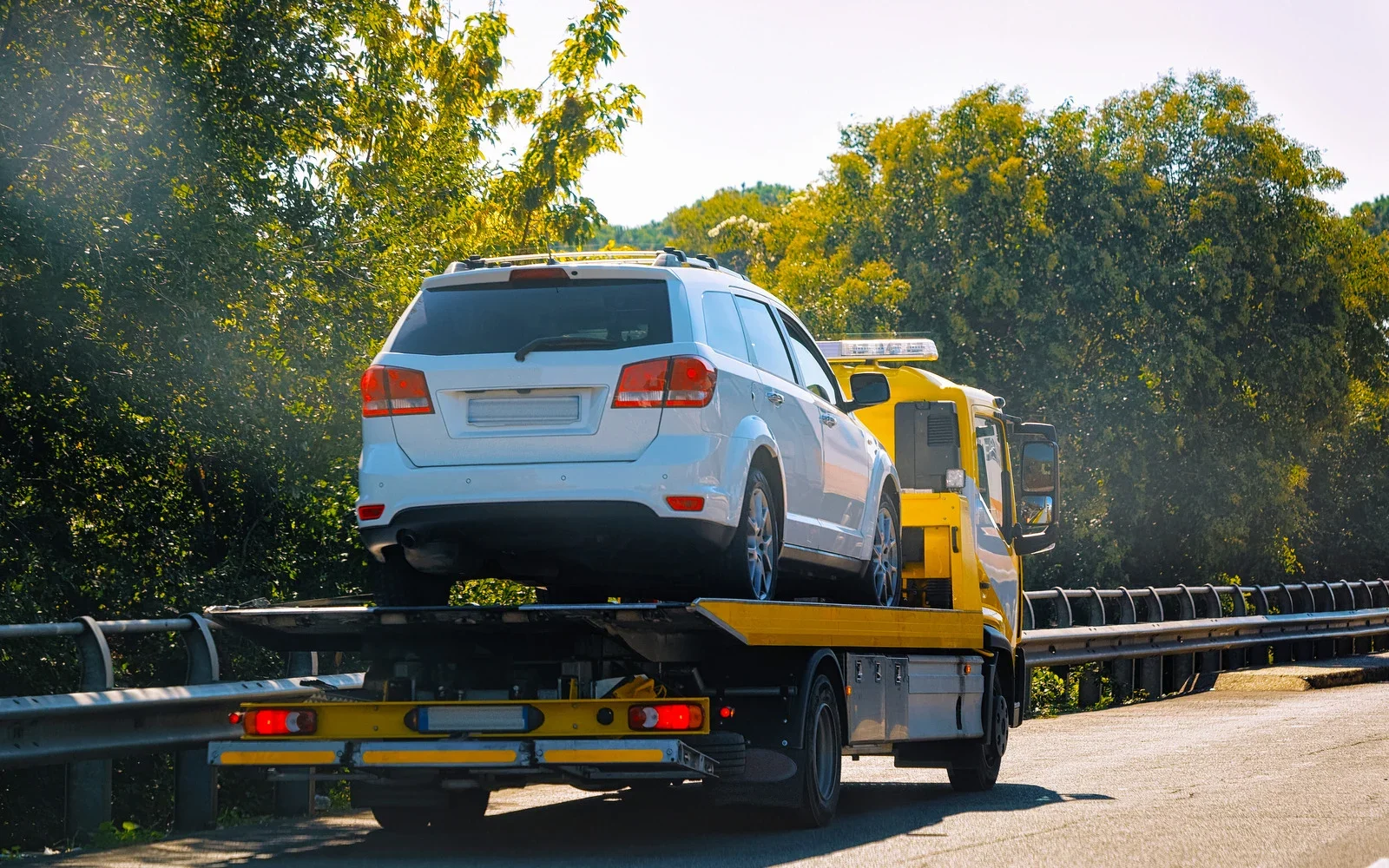
When your vehicle breaks down or becomes unsafe to drive, the last thing you want is uncertainty about the towing process. Many Honolulu drivers hear about flatbed towing but aren’t exactly sure how it works, why it’s safer, or what actually happens once the tow truck arrives. Understanding how flatbed towing works can help you feel confident and prepared—especially during stressful roadside situations.
Flatbed towing is widely considered the safest, most secure method for transporting a vehicle of any size, whether it’s a family SUV in Mānoa, a luxury car in Kakaʻako, or a work truck on the H-1. The process is designed to protect your vehicle, keep it level during transport, and minimize the risk of damage from start to finish.
This guide breaks down the entire process step by step so first-time customers know exactly what to expect when they call Discount Towing in Honolulu.
How Flatbed Towing Works: Full Step-By-Step Guide
Many drivers imagine towing as simply hooking up a car and pulling it away—but flatbed towing is much more specialized. Here is a complete look at how flatbed towing works, from arrival to safe delivery.
Step 1: The Tow Truck Arrives and Assesses Your Situation
The moment a flatbed tow truck arrives, the operator performs an evaluation of:
Your vehicle’s condition
Road position and angle
Nearby obstacles (traffic, curbs, slopes)
Ground clearance
Whether the vehicle is drivable or needs to be winched
In Honolulu, this step is especially important due to tight city streets, busy highways like the H-1 and H-2, and steep areas such as St. Louis Heights or Pacific Heights.
If the vehicle is damaged, stuck in park, or has flat tires, the operator adjusts the loading plan to avoid further harm.
Step 2: The Flatbed Is Positioned for Safe Loading
Before touching the vehicle, the driver positions the tow truck for smooth access. They will:
Park at the safest angle
Engage stabilizers and wheel chocks
Check for passing traffic
Clear debris or obstacles near the loading area
Safety is the priority, especially on Honolulu’s high-traffic roads like Nimitz Highway or Kapiʻolani Boulevard.
Step 3: Lowering and Tilting the Flatbed
This is the moment customers usually recognize the flatbed process.
At the press of a button, hydraulic controls:
Tilt the flatbed downward
Extend it slowly
Create a gentle, smooth ramp
This gives the car a safe, low-angle path onto the bed. The low angle prevents scraping on:
Low-clearance vehicles
Sports cars
Luxury models with long front ends
Cars parked in steep Honolulu driveways
The hydraulic system ensures smooth and controlled movement.
Step 4: Preparing the Vehicle for Loading
Before the vehicle moves onto the bed, the operator ensures it’s ready.
Preparation steps may include:
Shifting the vehicle into neutral (if possible)
Straightening the wheels
Unlocking the steering
Ensuring the parking brake is disengaged
Checking tire condition
Removing any loose debris
If the vehicle will not shift into neutral or is immobilized, the tow operator will use additional tools like dollies or skates to position and move the vehicle safely.
Step 5: Using a Winch to Pull the Vehicle Onto the Bed
If the vehicle cannot be driven, the operator uses a powerful electric winch.
The winching process includes:
Attaching a secure hook to the factory-approved recovery point
Slowly pulling the vehicle onto the ramp
Guiding the car carefully to avoid drifting
Ensuring balanced movement up the bed
Stopping at the proper position on the deck
Winching is gentle and controlled, preventing jolts or jerking motions.
Even completely non-functional vehicles—such as those with dead batteries, locked wheels, or collision damage—can be safely loaded.
Step 6: Securing the Vehicle with Tie-Down Straps
Once the vehicle is fully on the flatbed, the operator begins securing it.
This is one of the most important steps in how flatbed towing works.
The operator secures the vehicle using:
Heavy-duty ratchet straps
Wheel straps
Safety chains
Anchor points built into the flatbed
Every wheel is secured individually. This prevents:
Shifting during transport
Forward or backward movement
Side-to-side sliding
Damage from sudden stops or curves
Honolulu’s roads—including the H-3’s sharp turns and Pali Highway’s slopes—require top-tier stability.
Step 7: The Flatbed Is Raised and Locked into Position
After the vehicle is secured:
The flatbed lifts back into a flat, level position
The hydraulics lock the bed in place
The operator tests stability by gently rocking the truck
A visual inspection ensures all tie-downs are tight
Only after these safety checks does transport begin.
Step 8: Transporting the Vehicle Across Oahu
Now the vehicle is securely loaded, and transportation begins.
During travel, the operator:
Drives at safe speeds
Avoids rough terrain
Monitors straps and safety chains
Uses smoother braking and turning techniques
Chooses the safest route based on your location
Honolulu transport considerations include:
Navigating steep areas like Mānoa Valley or Wilhelmina Rise
Avoiding heavy congestion on the H-1
Handling narrow streets in Kalihi or Chinatown
Protecting luxury cars from road debris
Managing crosswinds on the H-3
Flatbed towing provides excellent stability during these conditions—much more than wheel-lift towing.
Step 9: Arrival at Your Destination
Whether your car is headed to:
A mechanic
Your home
A dealership
A collision center
A safe parking location
the operator parks in the ideal spot for unloading. They choose a flat, safe area when possible—important for low-clearance or AWD vehicles.
Step 10: Unloading the Vehicle Safely
The unloading process reverses the loading steps:
The driver removes all straps and safety chains
The flatbed tilts downward and extends
The vehicle is gently rolled or winched down the ramp
The vehicle is positioned precisely as requested
Parking brake is engaged once safely off the bed
The operator ensures the vehicle is secure before finishing the job.
Why Flatbed Towing Is the Preferred Choice in Honolulu
Now that you know how flatbed towing works, it’s clear why it’s so popular among Honolulu drivers.
Top benefits:
Safest method for AWD, 4x4, and EVs
Required for many luxury and performance cars
Prevents bumper scrape, wheel drag, and suspension damage
Ideal for island-wide transport from Kapolei to Kāneʻohe
Handles steep, narrow, and high-traffic roads with ease
Best for accident-damaged or immobilized vehicles
On an island with such varied terrain, flatbed towing offers unmatched peace of mind.
What Makes Flatbed Towing the Preferred Option for First-Time Clients
Understanding how flatbed towing works helps drivers feel more confident when emergencies happen. With a carefully controlled process and multiple safety checks, flatbed towing provides the highest level of protection for your vehicle—especially in Honolulu’s unique driving environment.
Whether your car is broken down, damaged, AWD, electric, or simply too valuable to risk, flatbed towing gives you the most reliable transport method available.
Need Safe, Professional Flatbed Towing in Honolulu?
Call Discount Towing Today! We offer fast, friendly, and damage-free flatbed towing anywhere on Oahu—24 hours a day. No stress. No risk. Just safe, reliable transport for your vehicle.