Long-Distance Flatbed Towing Across Oahu & Neighboring Areas
Introduction
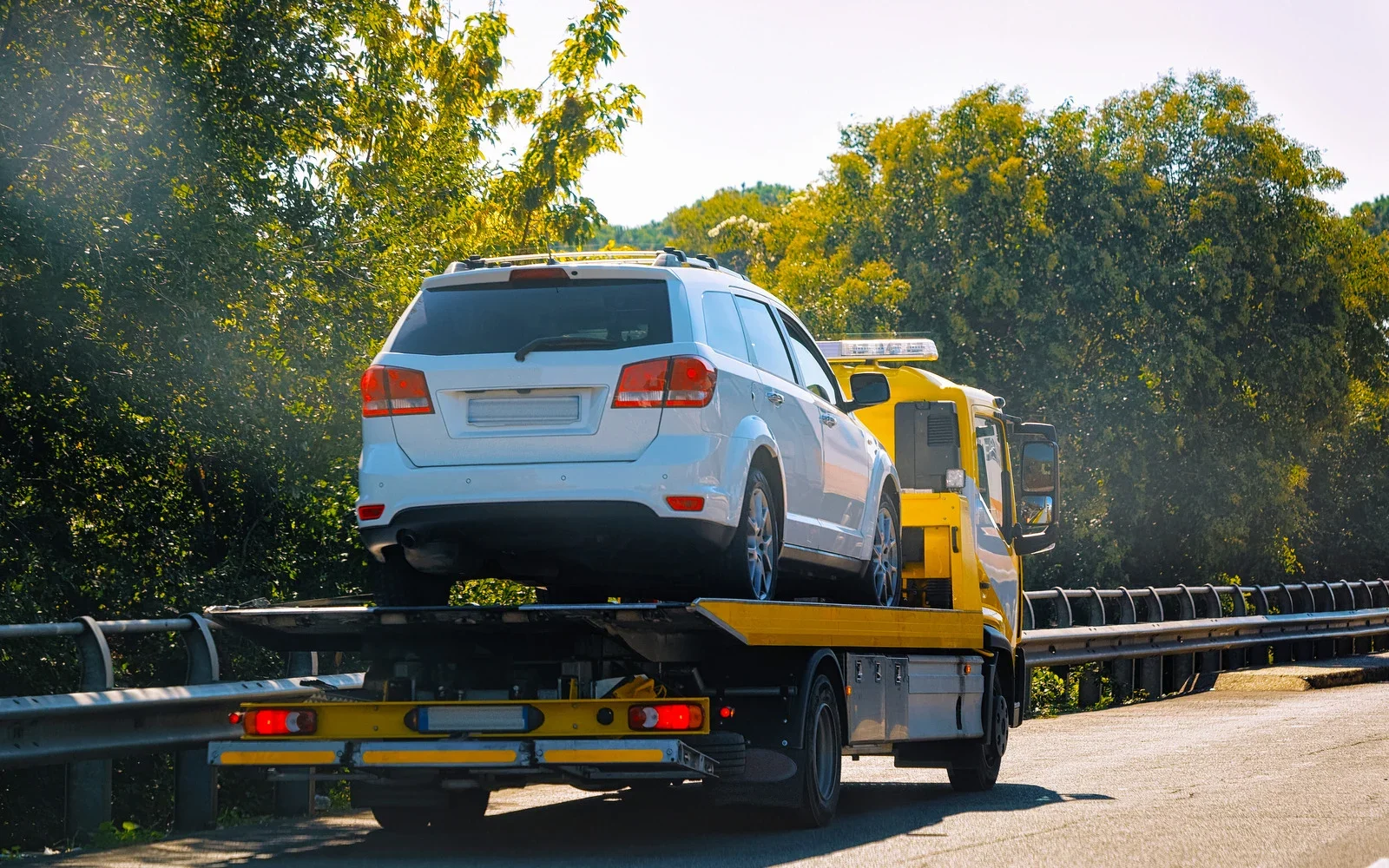
Transporting a vehicle across long distances requires planning, precision, and the right towing equipment—especially on an island with diverse terrain, heavy traffic zones, and narrow roadways. For drivers who need long distance towing Oahu, a flatbed tow truck is the safest and most reliable option. Whether you're moving a vehicle from Kapolei to Honolulu, transporting a car from the North Shore to a dealership in town, or coordinating a tow across different parts of the island, long-distance flatbed towing ensures stability, protection, and smooth transport from start to finish.
Oahu’s geographical layout, road patterns, and varied conditions make long-distance towing more complex than short local tows. From winding highway routes to steep valley roads, the island demands precise handling and advanced towing techniques. In addition, long-distance towing must account for cost, time, and scheduling flexibility to ensure the vehicle arrives safely and efficiently.
This guide explains how Oahu’s geography affects long-distance towing, what cost factors drivers should expect, and how timing and scheduling influence a smooth, stress-free transport experience.
Oahu Geography
Oahu is an island with diverse terrain, dense urban areas, steep mountains, and long coastal roadways. These geographical elements play a major role in how long-distance towing is performed and what drivers can expect when coordinating transport.
The island’s most traveled routes—such as H-1, H-2, and H-3—connect major regions, but each comes with its own towing challenges. H-1 is known for heavy congestion, lane merges, and limited shoulder space, especially through Honolulu, Ala Moana, and the airport viaduct. H-2 connects Central Oahu and Mililani, with long stretches of steady climbing that require stable towing capacity. H-3 is one of the most scenic roads in Hawaii, but its steep inclines, sharp turns, and crosswinds demand experienced towing operators who know how to maintain control during long-distance transport.
In addition to highways, many towing routes involve coastal roads, residential neighborhoods, and rural stretches. For example:
Kalanianaʻole Highway winds through Hawaii Kai and Waimanalo, with one-lane stretches and long coastal edges.
Kamehameha Highway along the Windward and North Shore involves curves, small bridges, and narrow shoulders.
Farrington Highway heading toward the West Side passes through rural areas with limited turnaround space.
Pali Highway and Likelike Highway include steep climbs, heavy rain exposure, and sudden weather changes.
These locations require specific towing angles, careful lane positioning, and controlled speed to ensure safe long-distance hauling. Flatbeds are ideal in these conditions because they offer full lift, stability, and reduced strain on the transported vehicle.
The geography of Oahu also creates unique challenges during storms or high wind advisories. Roads through valleys and coastal regions may experience sudden gusts, while mountain passes on H-3 are known for dramatic rain shifts. Experienced operators understand how to navigate these conditions safely with a long-distance load.
Long-distance towing across Oahu must also account for tight urban zones like Waikīkī, Downtown Honolulu, and Kakaʻako, where narrow roads and heavy pedestrian traffic require careful maneuvering. Flatbeds provide more balanced control in busy areas, especially when transporting oversized or specialty vehicles.
No matter the destination—North Shore, Windward, West Oahu, Central Oahu, or the Honolulu metro area—Oahu’s geography makes long-distance flatbed towing the safest and most adaptable choice.
Cost Factors
Long-distance towing involves several pricing components based on distance, vehicle type, equipment needs, and route conditions. Understanding these cost factors helps drivers budget for long distance towing Oahu and choose the most efficient service for their needs.
One of the primary factors is distance. Towing a vehicle from Honolulu to Kapolei, for example, involves fewer miles and less time compared to towing across the island from Kāneʻohe to Haleiwa. Longer routes require more fuel, travel time, and labor, which reflect in the overall towing cost.
Vehicle type also influences pricing. Larger vehicles, SUVs, trucks, luxury cars, and low-clearance vehicles may require special equipment or loading adjustments. Modified or oversized vehicles might need additional securement, wider flatbeds, or longer ramps. These add-ons contribute to the overall service cost.
Another factor is the condition of the vehicle. A car that rolls and steers normally is easier and faster to load. Vehicles with locked wheels, missing tires, seized brakes, or accident damage often take more time and require advanced recovery methods such as dollies, winching, or repositioning tools. The complexity of the situation affects labor time and cost.
Route conditions also influence pricing. Some long-distance towing routes involve steep inclines, narrow roads, or unpredictable traffic patterns. Transporting a vehicle across H-3 during high wind conditions or navigating tight neighborhoods in Kailua or Waikīkī requires additional caution, time, and operator skill.
Timing plays a major role as well. After-hours service, late-night calls, or weekend towing may have higher rates because they require dispatching operators outside normal business hours. Emergency long-distance towing—such as retrieving a car that has broken down on a remote roadside—may also increase costs based on urgency and safety requirements.
Fuel prices and general operating costs affect pricing, too. Towing companies must account for fuel consumption, vehicle maintenance, equipment wear, and inspection requirements to safely conduct long-distance transport.
While costs vary based on these factors, flatbed towing remains the most cost-effective option for long-distance transport because it minimizes the risk of vehicle damage, reduces the chance of roadside complications, and ensures a stable, consistent towing experience.
Timing & Scheduling
Timing and scheduling are crucial in long distance towing Oahu. Because the island has limited roadway options and heavy peak traffic periods, coordinating tow times can drastically improve the speed and safety of transport.
Honolulu’s morning rush hour often stretches from 6:00 a.m. to 9:00 a.m., with major congestion on H-1, H-201, and surrounding surface streets. Afternoon traffic typically runs from 3:00 p.m. to 6:30 p.m., especially approaching Downtown, Ala Moana, and Pearl City. Scheduling long-distance towing outside these windows promotes faster travel and reduces delays.
Weather conditions should also be considered when planning a long-distance tow. Rainstorms, flooding in low-lying areas, and high winds near mountain passes can affect road safety and travel times. Planning around weather forecasts ensures safer and more predictable transport.
Flexibility in scheduling benefits both drivers and towing providers. Many long-distance tows are arranged ahead of time, especially when transporting a vehicle to a dealership, repair shop, or new home. Pre-scheduled tows allow the company to choose the most efficient routes, avoid congested zones, and prepare the necessary equipment in advance.
Same-day long-distance towing is also available, especially for breakdowns, overheating issues, or sudden vehicle failures. In these situations, dispatchers work quickly to send the nearest flatbed to the driver’s location and coordinate the fastest available route based on real-time traffic conditions.
For inter-island shipping preparation—when a vehicle needs towing to Honolulu Harbor—scheduling becomes even more important. Towing companies must coordinate with barge or freight schedules, arrival windows, and port guidelines. Flatbeds ensure the vehicle is delivered safely to the shipping terminal without damage prior to transport.
Proper timing also helps ensure that the destination—such as a mechanic or dealership—is open and ready to receive the vehicle. This prevents the vehicle from being left unattended or requiring additional storage arrangements.
Mobile communication plays a key role in long-distance towing. Drivers receive updates from dispatch regarding arrival time, route progress, and estimated delivery. This communication allows for better planning and reduces stress for the vehicle owner.
Scheduling and timing are essential components of long-distance towing on Oahu, allowing operators to deliver safe, timely, and professional service across any part of the island.
Final Thoughts
Long-distance towing across Oahu requires a towing method that can handle varied terrain, unpredictable traffic conditions, and diverse vehicle types. Flatbed towing offers the stability, safety, and reliability needed for extended transport. Whether traveling across the island, moving between towns, or coordinating transport for shipping, flatbed towing minimizes risk and ensures the vehicle arrives safely.
Understanding Oahu’s geography helps drivers appreciate the importance of skilled operators who know how to navigate highways, mountain routes, coastal roads, and dense city traffic. Cost factors such as distance, vehicle type, condition, equipment needs, and timing help drivers plan effectively for long-distance towing. Scheduling and route planning ensure smooth, efficient transport without delays or complications.
For dependable long distance towing Oahu, flatbed towing remains the most trusted choice, providing security, control, and peace of mind for drivers across the island.
Call Discount Towing in Honolulu for fast, damage-free towing anywhere on Oahu.