
What to Do While Waiting for a Jumpstart (Safety Checklist)
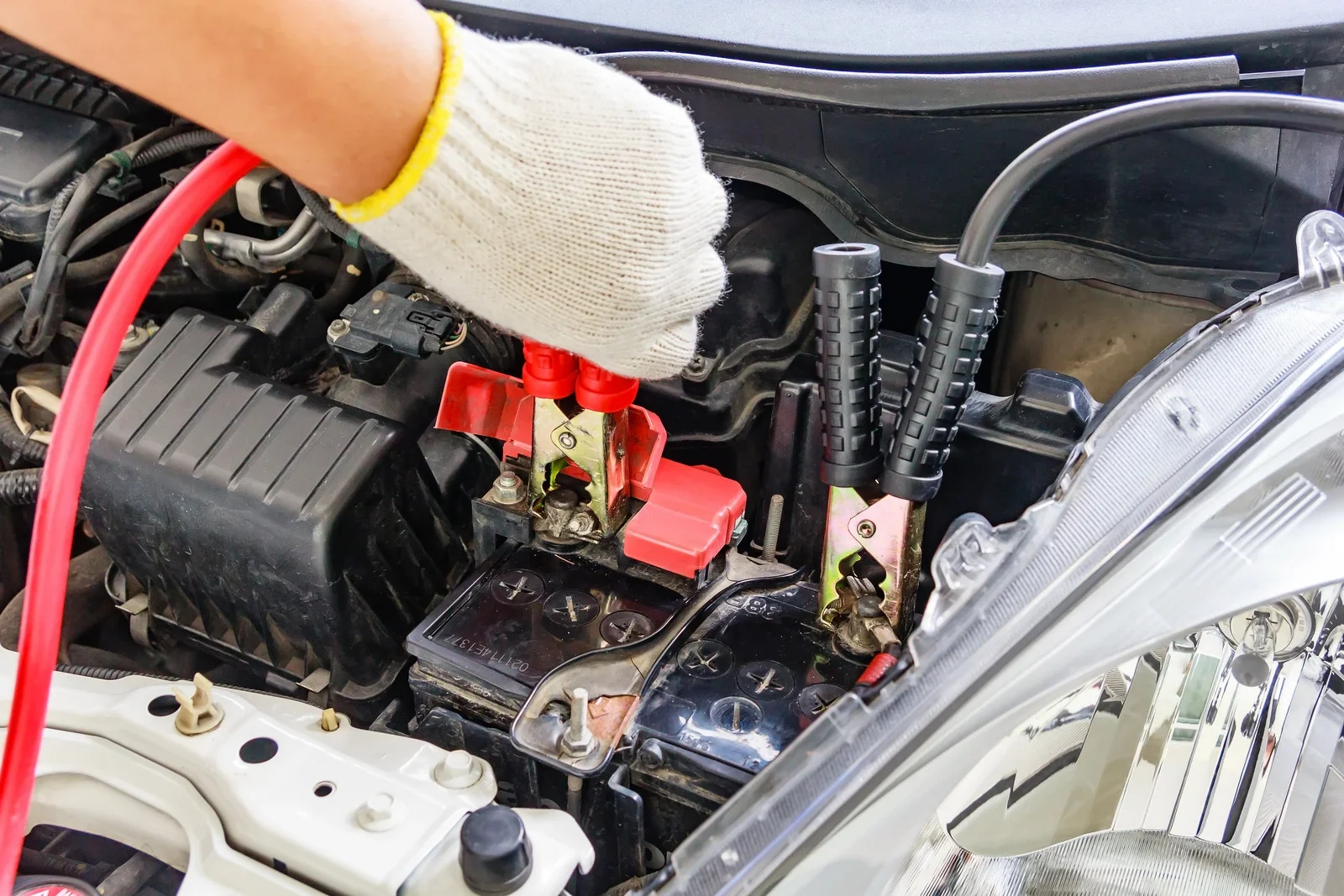
Few car problems are as frustrating as turning the key and hearing nothing but silence. A dead battery can leave you stranded at the worst possible time—on your way to work, during bad weather, or late at night. Once you’ve called for help or roadside assistance, the next question becomes critical: waiting for jumpstart—what to do while help is on the way?
Knowing how to stay safe, protect your vehicle, and prepare for the jumpstart itself can make a stressful situation far more manageable. This comprehensive safety checklist walks you through exactly what to do while waiting for a jumpstart, step by step.
Why What You Do While Waiting Matters
When your car battery dies, you’re not just dealing with an inconvenience—you may be facing safety risks from traffic, weather, or improper handling of electrical components. Many accidents and injuries happen before help arrives, not during the jumpstart itself.
By following the right steps while waiting, you can:
Reduce the risk of accidents or breakdown-related injuries
Protect your vehicle’s electrical system
Make the jumpstart faster and safer
Stay calm and in control of the situation
Let’s start with the most important step.
1. Get Your Vehicle to a Safe Location (If Possible)
If your car still has some power or can roll freely, your first priority is safety.
What to do:
Pull over to the shoulder, a parking lot, or a side street
Avoid stopping on curves, hills, or blind spots
Turn your wheels away from traffic if you’re on a slope
If you can’t move your car:
Stay inside the vehicle with your seatbelt on
Avoid standing between your car and oncoming traffic
Waiting for jumpstart what to do always starts with location. A safe spot reduces risk for you and anyone coming to help.
2. Turn On Hazard Lights Immediately
Your hazard lights are your first line of defence against other drivers.
Why it matters:
Alerts approaching vehicles that you’re stopped.
Reduces the risk of rear-end collisions.
Signals roadside assistance or good Samaritans.
Pro tip:
If your battery is completely dead and hazards won’t turn on, use reflective triangles or flares if you have them.
3. Turn Off All Electrical Accessories
While waiting for a jumpstart, conserve whatever battery power remains.
Turn off:
Headlights (if safe to do so)
Interior lights
Radio and infotainment system
Climate control (AC or heat)
Phone chargers and USB devices
This helps ensure the battery can accept a jump more effectively when help arrives.
4. Stay Inside the Vehicle When It’s Unsafe Outside
Many people instinctively get out of the car, but that’s not always the safest choice.
Stay inside if:
You’re on a busy road or highway
Visibility is poor (rain, fog, night)
Traffic is moving fast
You’re waiting on professional roadside assistance
Keep your seatbelt on and doors locked until help arrives.
5. Place Warning Devices (If You Have Them)
If conditions allow, add extra visibility.
Useful safety tools:
Reflective warning triangles
Road flares
LED emergency beacons
Placement tips:
Place devices 100–200 feet behind your vehicle
Walk on the shoulder, facing traffic
Never turn your back on moving vehicles
This step is especially important when waiting for jumpstart what to do at night or in bad weather.
6. Call for Help the Right Way
If you haven’t already arranged a jumpstart, do so immediately.
Your options:
Roadside assistance provider
Insurance roadside coverage
Local towing or jumpstart service
Trusted friend or family member
Be ready to provide:
Your exact location (use GPS or mile markers)
Vehicle make, model, and year
Whether the car is in a safe, accessible spot
Any warning lights or symptoms before the battery died
Clear information speeds up response time.
7. Avoid Trying to Push-Start Modern Vehicles
Many people think of push-starting as a quick fix—but it’s usually not a good idea.
Do NOT push-start if:
Your car has an automatic transmission
Your vehicle has modern electronics
You’re on uneven ground or in traffic
Push-starting can damage the transmission, catalytic converter, or electronic systems. While waiting for jumpstart help, it’s best to wait it out safely.
8. Check Under the Hood—Only If It’s Safe
If you’re comfortable and conditions allow, a quick visual check can help.
Look for:
Corrosion on battery terminals
Loose or damaged battery cables
Signs of leaking battery acid
Strong sulfur or “rotten egg” smell
Do NOT:
Touch battery terminals with bare hands
Attempt repairs while traffic is nearby
Try to jump the battery without proper cables and knowledge
This step is optional but helpful for informing whoever comes to help.
9. Keep Yourself Comfortable and Alert
Waiting for a jumpstart can take anywhere from 10 minutes to an hour.
Tips for comfort:
Use a jacket or blanket if it’s cold
Open windows slightly for airflow if safe
Stay hydrated
Avoid draining your phone battery—use low-power mode
Stay alert:
Watch traffic
Keep an eye out for your helper or service vehicle
Be cautious of strangers approaching unexpectedly
10. Be Cautious With Good Samaritans
While many people genuinely want to help, safety always comes first.
If someone offers help:
Stay inside the car until you assess the situation
Communicate through a cracked window
Decline help if you feel uncomfortable
Prefer professional roadside services when possible
Trust your instincts.
11. Prepare for the Jumpstart Before Help Arrives
Once help is on the way, prepare your vehicle to make the process smooth.
Checklist:
Turn the engine completely off
Engage the parking brake
Put the transmission in Park or Neutral
Locate the battery (some are under the hood, others in the trunk)
When help arrives, follow their instructions carefully.
12. Know What NOT to Do While Waiting
Equally important is avoiding common mistakes.
Avoid:
Smoking near the battery
Using open flames or flares close to the engine
Attempting multiple jumpstarts without rest
Letting children or pets wander outside the vehicle
Batteries produce flammable gases—safety is non-negotiable.
13. After the Jumpstart: Immediate Next Steps
Even though this happens after waiting, it’s good to be ready.
Once the car starts:
Keep the engine running for 20–30 minutes.
Drive at highway speeds if possible.
Avoid shutting off the engine immediately.
Turn on accessories gradually.
If the car dies again, your battery or alternator may need replacement.
14. When Waiting for Jumpstart Means You Need More Help
Sometimes, a jumpstart won’t fix the problem.
You may need towing if:
The car won’t start after multiple attempts.
You hear clicking but no engine turnover.
Warning lights remain on.
The battery is old or leaking.
Knowing what to do while waiting for a jumpstart also means knowing when a jumpstart isn’t enough.
Final Safety Checklist: Waiting for Jumpstart What to Do
Use this quick recap when you’re stuck:
Move to a safe location
Turn on hazard lights
Shut off accessories
Stay inside if conditions are unsafe
Set out warning devices if available
Call for professional help
Avoid risky DIY fixes
Stay alert and cautious
Prepare for the jumpstart
Conclusion
A dead battery doesn’t have to turn into a dangerous situation. By knowing waiting for jumpstart what to do, you protect yourself, your passengers, and your vehicle. Staying visible, calm, and prepared makes all the difference while help is on the way.
The next time your car won’t start, remember: safety first, patience second, and the jumpstart will take care of the rest.