
5 Mistakes That Cause Delays During Heavy Equipment Transport in Honolulu
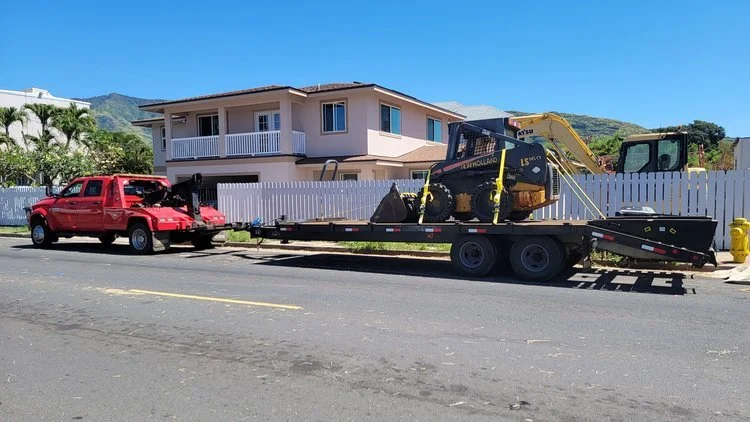
Heavy equipment transport is a critical part of construction, infrastructure, and industrial projects across Honolulu. Excavators, cranes, loaders, forklifts, and other large machines must be moved safely and efficiently to keep projects on schedule. However, delays during transport are more common than many people expect and can lead to costly downtime, scheduling conflicts, and budget overruns.
Honolulu presents unique challenges for heavy equipment transport, including dense urban areas, traffic congestion, limited access routes, and strict regulatory requirements. Understanding the most common mistakes that cause delays—and knowing how to avoid them—can make a significant difference in keeping projects moving forward.
This article outlines five major mistakes that often lead to transport delays in Honolulu and provides practical guidance on how to prevent them.
Mistake 1: Inaccurate Equipment Measurements and Weight Estimates
One of the most common causes of delays is providing incorrect or incomplete information about the equipment being transported. Heavy equipment varies widely in size, weight, and configuration, and even small inaccuracies can lead to major issues.
When measurements or weight estimates are wrong, the selected trailer or towing equipment may be unsuitable. This can result in last-minute equipment changes, rescheduling, or even cancellation of the haul on transport day.
How to Avoid It
Before scheduling transport, confirm the exact dimensions and weight of the equipment, including attachments. Manufacturer specifications, equipment plates, or recent scale tickets can provide accurate data. Sharing precise information upfront allows the correct trailer, permits, and route planning to be arranged without delays.
Mistake 2: Poor Access Planning at Pickup and Delivery Sites
Access challenges are a frequent source of delays during heavy equipment transport in Honolulu. Many job sites are located in areas with narrow streets, limited turning space, overhead obstructions, or uneven ground. These conditions may not be apparent until transport equipment arrives on-site.
If a trailer cannot safely enter or exit the site, additional time is needed to adjust access routes, reposition equipment, or arrange alternative loading methods.
How to Avoid It
Evaluate access conditions at both the pickup and delivery locations well in advance. Check driveway widths, turning radii, overhead clearances, and ground stability. If access is restricted, notify the transport provider early so adjustments can be made, such as using different equipment or planning alternate routes.
Mistake 3: Overlooking Permit and Regulatory Requirements
Heavy equipment transport often requires permits due to oversized or overweight loads. In Honolulu, permit requirements may include approved travel routes, time-of-day restrictions, and coordination with traffic authorities.
Failing to secure the proper permits—or underestimating the time required to obtain them—can lead to delays, fines, or forced rescheduling. Permit issues are especially problematic when discovered at the last minute.
How to Avoid It
Identify permit requirements early in the planning process. Factor permit processing time into the project schedule and ensure all documentation is completed accurately. Understanding local regulations helps prevent unexpected stoppages and ensures legal compliance throughout the transport.
Mistake 4: Last-Minute Scheduling and Lack of Flexibility
Rushed scheduling is another major contributor to transport delays. When equipment moves are planned at the last minute, availability of trailers, drivers, and escorts may be limited. This often results in higher costs, limited scheduling options, or postponed transport dates.
Honolulu’s high demand for heavy hauling services makes advance planning especially important.
How to Avoid It
Schedule heavy equipment transport as early as possible. Allow time for equipment availability, permits, and route planning. Building flexibility into the schedule helps accommodate weather changes, traffic conditions, or unforeseen site challenges without causing major disruptions.
Mistake 5: Inadequate Communication Between Project Teams
Poor communication between contractors, site managers, and transport providers can cause confusion and delays. Missing details about equipment readiness, site conditions, or scheduling changes often lead to misalignment on transport day.
When teams are not on the same page, equipment may not be ready, access areas may be blocked, or personnel may be unavailable to assist with loading.
How to Avoid It
Establish clear communication channels and confirm details before transport day. Share updated site information, equipment readiness status, and any changes to the schedule. Providing photos or diagrams of the site can further reduce misunderstandings and improve coordination.
Why These Mistakes Matter in Honolulu
Honolulu’s transportation environment magnifies the impact of these mistakes. Traffic congestion, limited road networks, and strict regulations leave little room for error. Even minor issues can cause significant delays that ripple across project timelines.
Avoiding these mistakes helps ensure:
Safer equipment handling.
Predictable transport schedules.
Reduced downtime on job sites.
Better cost control.
Understanding local conditions and planning accordingly is essential for successful heavy equipment transport in Honolulu.
The Importance of Proactive Planning
Proactive planning is the most effective way to avoid transport delays. This includes verifying equipment details, assessing access conditions, securing permits, and coordinating schedules well in advance.
Reassessing conditions before transport day is equally important. Site conditions can change as projects progress, and early detection of potential issues allows time for adjustments without disrupting the schedule.
Urban Density and Limited Route Flexibility
Honolulu’s urban landscape adds an extra layer of complexity to heavy equipment transport. Dense neighborhoods, active construction zones, and a limited number of alternative routes mean there is very little margin for error once transport is underway. A single blocked lane, unexpected road closure, or misjudged turn can quickly cascade into hours of delay.
Because many streets were not designed for oversized loads, route flexibility is often limited. Transport plans must account for tight intersections, restricted turns, and ongoing public works that can change traffic patterns with little notice.
Traffic Timing and Community Constraints
Traffic conditions significantly affect heavy equipment movement in Honolulu. Peak travel hours reduce maneuverability for oversized loads, especially in areas with heavy pedestrian activity or frequent public transit. Equipment moves that are not scheduled with traffic flow in mind may face enforced stoppages or slow progress.
Community considerations also play a role. Noise restrictions, delivery windows, and coordination with nearby businesses or residents can limit when equipment can be transported. Accounting for these constraints early helps prevent last-minute changes and supports smoother, more predictable transport schedules.
Conclusion
Delays during heavy equipment transport in Honolulu are often caused by avoidable mistakes. Inaccurate equipment information, poor access planning, overlooked permits, rushed scheduling, and weak communication all contribute to disruptions that can impact project timelines and budgets.
By understanding these five common mistakes and taking steps to avoid them, contractors and project managers can improve efficiency, reduce stress, and keep projects moving forward. Careful planning, clear communication, and awareness of Honolulu’s unique transport challenges are the keys to successful heavy equipment transport.
With the right approach, heavy equipment can be moved safely, efficiently, and on schedule-supporting smoother operations and better project outcomes across Honolulu.