
Top 7 Mistakes People Make When Moving a Shipping Container (Avoid These)
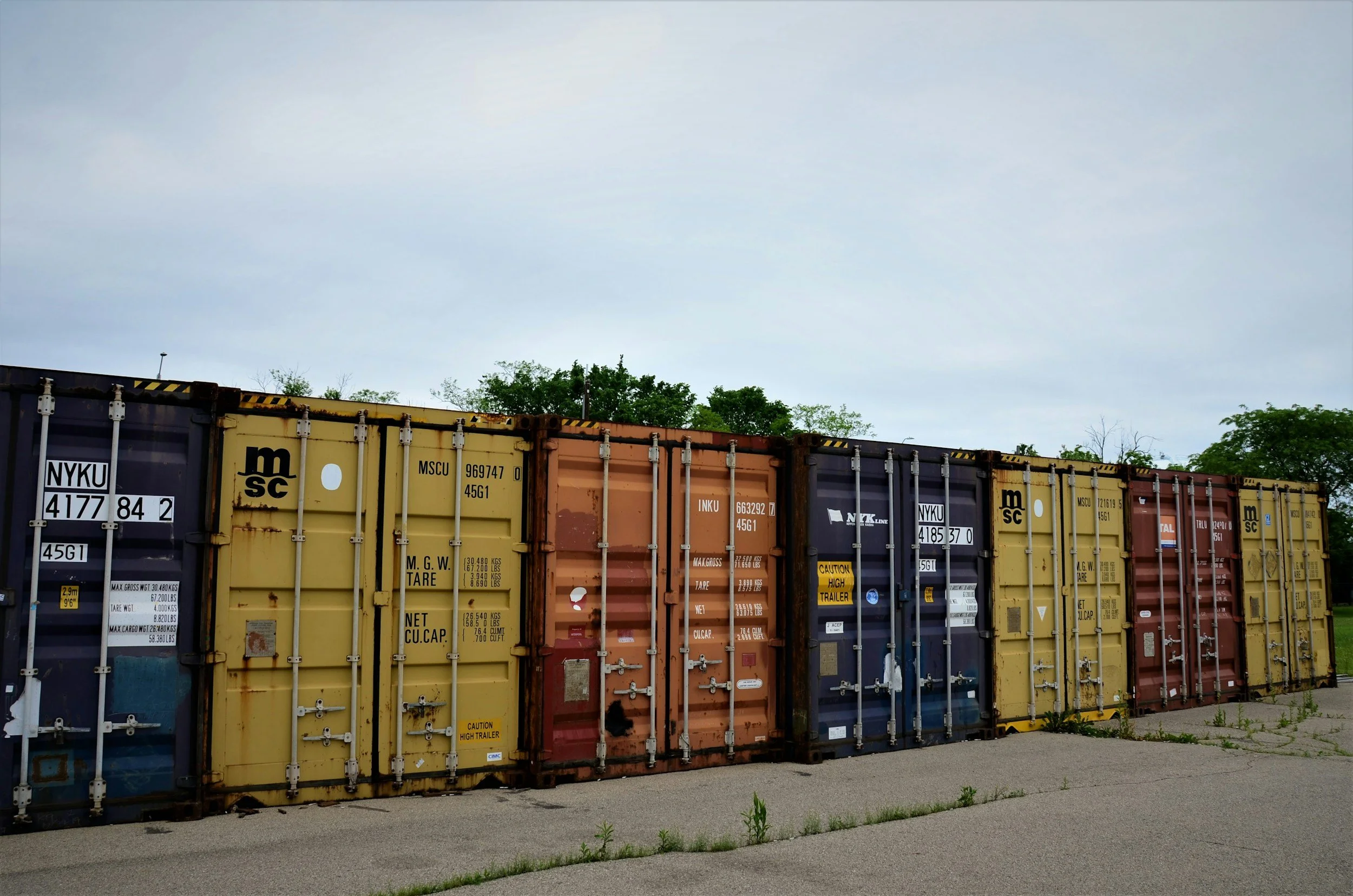
Moving a shipping container may seem straightforward at first glance, but it is one of the most commonly underestimated logistics tasks. Shipping containers are heavy, rigid, and require specialized equipment and planning to move safely. When mistakes are made during the process, they often lead to delays, unexpected costs, property damage, or safety risks.
Many of these problems are preventable with proper preparation and awareness. This article outlines the top seven mistakes people make when moving a shipping container and explains how to avoid them. Understanding these common errors can help ensure a smoother, safer, and more efficient container move.
Mistake 1: Underestimating the Container’s Weight
One of the most common mistakes is underestimating how much a shipping container weighs. Even when empty, a standard 20-foot container weighs several thousand pounds, and a 40-foot container weighs significantly more. When loaded, the weight can increase dramatically.
Failing to account for the container’s true weight can result in using the wrong equipment or trailer, which may lead to delays or unsafe conditions. Weight also affects braking distance, handling, and permit requirements.
How to avoid it:
Always confirm the container’s size and estimate its total weight accurately, including any contents inside. Share this information upfront so the proper towing equipment can be selected.
Mistake 2: Choosing the Wrong Transport Method
Not all container moves are the same, and choosing the wrong transport method is a frequent issue. Some people assume any large truck or trailer can move a shipping container, which is not the case.
Shipping containers require specialized trailers such as flatbeds, Landoll trailers, or side loaders, depending on weight, access conditions, and placement needs. Using improper equipment increases the risk of container shifting, damage, or failed loading attempts.
How to avoid it:
Evaluate the container size, weight, pickup conditions, and delivery requirements before selecting a transport method. Make sure the equipment used is designed specifically for container towing.
Mistake 3: Ignoring Access and Space Limitations
Access limitations are one of the leading causes of delays during container moves. Containers are often placed in areas that are easy to access during installation but difficult to reach when it is time to move them.
Narrow driveways, tight corners, overhead obstructions, uneven ground, or limited turning space can prevent towing equipment from safely reaching the container. These issues often go unnoticed until towing day, causing rescheduling or additional costs.
How to avoid it:
Inspect both the pickup and delivery locations carefully. Confirm there is enough space for large trucks and trailers to maneuver safely. Clear obstacles and communicate any access challenges in advance.
Mistake 4: Failing to Secure the Container’s Contents
Another common mistake is neglecting to secure the contents inside the container. Loose items can shift during transport, affecting balance and potentially damaging the container walls or doors.
Unsecured contents can also create safety hazards if they move unexpectedly or cause the container to become unevenly loaded. This is especially problematic for long-distance moves or routes with uneven terrain.
How to avoid it:
Secure all contents using straps, blocking, or pallets. Distribute weight evenly throughout the container and remove fragile or hazardous materials when possible.
Mistake 5: Not Preparing the Ground Conditions
Ground conditions are often overlooked but play a critical role in safe container towing. Soft soil, mud, gravel, or sloped terrain can cause loading and unloading equipment to sink, slide, or become unstable.
Poor ground conditions can lead to equipment damage, delays, or unsafe lifting situations. In some cases, additional equipment may be required to stabilize the area before the container can be moved.
How to avoid it:
Ensure the ground around the container is firm and level. If the container is located on unstable terrain, address the issue ahead of time or notify the towing provider so appropriate precautions can be taken.
Mistake 6: Overlooking Permit and Regulatory Requirements
Moving a shipping container often involves regulatory considerations, especially when dealing with oversized or heavy loads. Some people assume permits are unnecessary, only to encounter delays or fines during transport.
Permit requirements may vary based on container size, weight, route, and time of travel. Ignoring these requirements can result in forced rerouting, scheduling changes, or legal issues.
How to avoid it:
Determine whether permits are required early in the planning process. Factor permit processing time into the schedule and ensure compliance with local transportation regulations.
Mistake 7: Waiting Until the Last Minute to Plan
Last-minute planning is one of the biggest contributors to container moving problems. Rushed decisions often lead to overlooked details, limited equipment availability, and higher costs.
Without adequate planning time, issues such as access limitations, permit requirements, and equipment coordination may not be identified until it is too late.
How to avoid it:
The plan container moves well in advance. Allow time for site preparation, scheduling flexibility, and problem-solving. Early planning leads to smoother execution and fewer surprises.
Why These Mistakes Matter
Each of these mistakes can have serious consequences, from increased costs and delays to safety risks and property damage. Shipping container towing involves heavy equipment and large loads, so even small oversights can have significant impacts.
Avoiding these mistakes helps ensure:
Safer loading and transport.
Predictable costs and timelines.
Reduced risk of damage.
Compliance with regulations.
Understanding what can go wrong is the first step toward preventing problems.
The Importance of Clear Communication
Clear communication plays a critical role in avoiding container moving mistakes. Sharing accurate information about container size, weight, access conditions, and site challenges allows for better planning and equipment selection.
Providing photos, measurements, or diagrams of the pickup and delivery locations can further reduce misunderstandings and improve efficiency.
How Small Oversights Escalate Quickly
Many shipping container moves do not fail because of one major mistake, but because several small oversights compound into larger problems. Slightly inaccurate weight estimates, unverified access limitations, or tight scheduling can quickly create delays once heavy equipment and operators are involved. What seems manageable on paper can become costly when adjustments must be made on-site.
Another frequent oversight is assuming conditions will remain unchanged from when the container was originally placed. Over time, ground can settle, access routes may become narrower, or nearby structures may be added. A container that was easy to install months earlier may be far more difficult to remove later if conditions are not reassessed beforehand.
Environmental and Timing Factors Often Overlooked
Weather conditions are another commonly underestimated factor when moving a shipping container. Rain can soften soil, reduce traction, and limit safe lifting or towing operations. Ignoring weather risks can lead to postponed moves or unsafe working conditions.
Timing also plays a major role. Limited flexibility can make it harder to adjust when unexpected challenges arise. Building extra time into the schedule allows issues to be addressed safely rather than rushed. Proactively reviewing site conditions, confirming details, and allowing schedule flexibility helps reduce stress, control costs, and ensure the container move proceeds smoothly.
Conclusion
Moving a shipping container is a complex process that requires careful planning, proper equipment, and attention to detail. The most common mistakes—such as underestimating weight, ignoring access limitations, failing to secure contents, and rushing the process—can lead to unnecessary complications and costs.
By understanding and avoiding these top seven mistakes, you can significantly improve the safety and efficiency of a container move. Taking the time to prepare properly, communicate clearly, and address potential challenges in advance makes all the difference. With the right approach, shipping container relocation can be completed smoothly, safely, and without avoidable setbacks.