
Battery Keeps Dying? Here’s Why It Happens Again After a Jumpstart
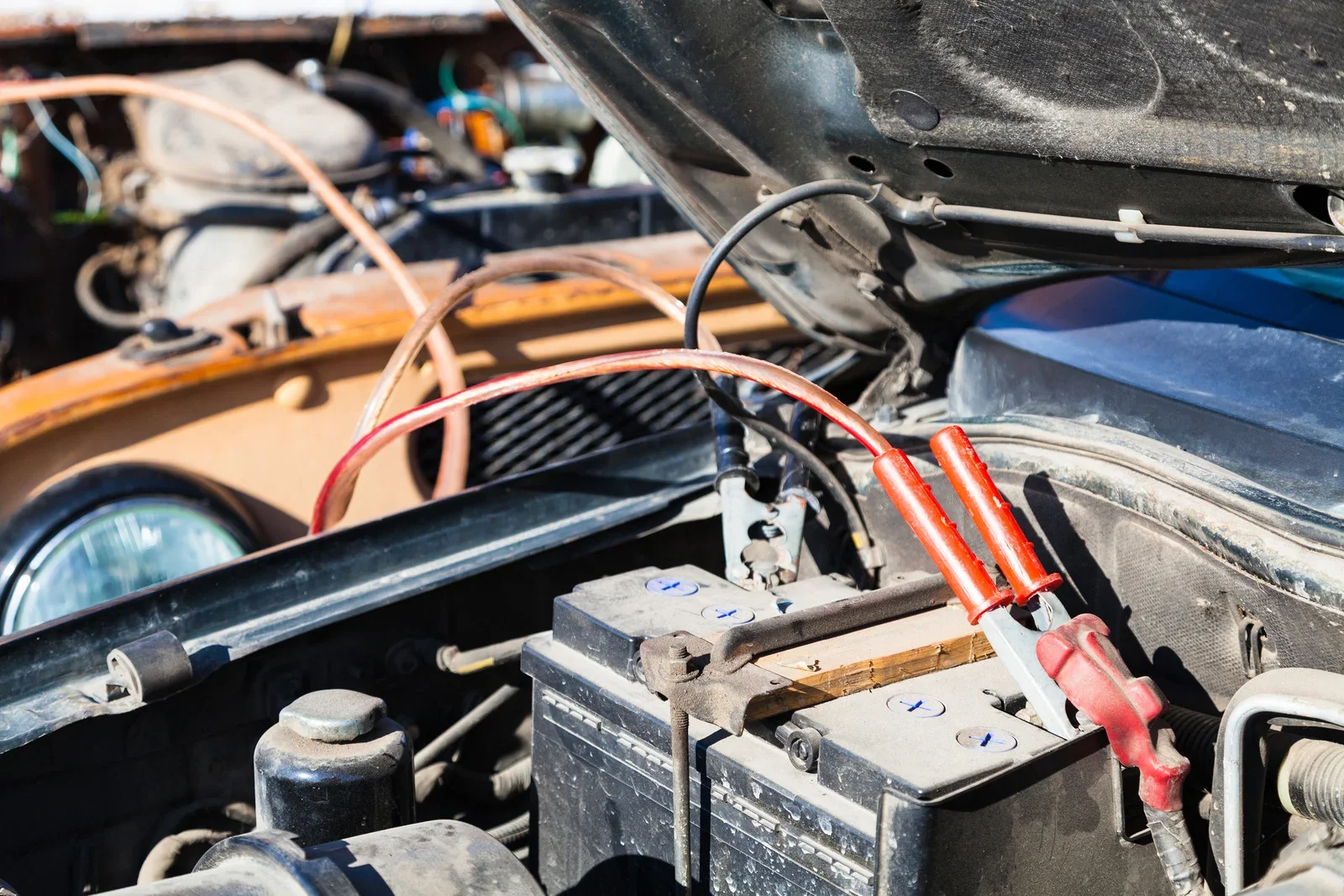
Few things are more frustrating than getting your car jumpstarted, driving away relieved, and then finding yourself stranded again hours or days later. If your battery keeps dying after a jumpstart, you’re not alone. This is one of the most common roadside complaints drivers experience, especially in warm climates like Hawaii.
Many drivers assume that once a car is jumpstarted, the problem is solved. In reality, a jumpstart is often only a temporary fix. If the underlying issue isn’t addressed, the battery will continue to fail, sometimes repeatedly and without warning.
In this guide, we’ll explain why a battery keeps dying after a jumpstart, the most common causes behind it, how a jumpstart mistake can make things worse, and what you should do to stop the cycle for good.
Why a Jumpstart Doesn’t Always Fix the Problem
A jumpstart provides an external power boost that allows your engine to start. It does not repair the battery or restore its ability to hold a charge long-term.
Think of a jumpstart as emergency assistance—it gets you moving, but it doesn’t address why the battery died in the first place. If the battery is weak, damaged, or affected by another issue, it’s only a matter of time before the same problem happens again.
That’s why drivers often report that their battery keeps dying after jumpstart, sometimes within the same day.
1. The Battery Is Simply Failing
The most common reason a battery keeps dying after a jumpstart is simple: the battery is at the end of its lifespan.
Most car batteries last three to five years under ideal conditions. In Hawaii’s heat and humidity, many batteries fail closer to the three-year mark. As batteries age, they lose their ability to store and maintain charge.
Signs the battery is failing include:
Slow engine cranking.
Dim headlights.
Electrical issues.
Once a battery reaches this stage, jumpstarts become less effective and less reliable.
2. The Battery Can’t Hold a Charge
Even if a jumpstart gets the car running, a failing battery may not retain the charge provided by the alternator while driving.
This happens when:
Internal battery cells are damaged.
Sulfation has built up inside the battery.
Heat has degraded the battery’s chemistry.
In these cases, the car may start after a jump, but once it’s turned off, the battery drains again. This is a key reason drivers report that their battery keeps dying after jumpstart.
3. Alternator or Charging System Problems
Another major cause is a faulty alternator or charging system.
The alternator is responsible for:
Recharging the battery while the engine runs.
Supplying power to electrical systems.
If the alternator isn’t working properly, the battery slowly drains even while driving. A jumpstart may work temporarily, but the battery will continue to lose power until it dies again.
Warning signs include:
Battery warning light on the dashboard.
Flickering lights.
Stalling while driving.
4. A Jumpstart Mistake Caused Electrical Damage
A jumpstart mistake can actually create or worsen battery problems.
Common jumpstart mistakes include:
Reversing positive and negative cables.
Improper grounding.
Allowing clamps to touch metal.
Using incompatible vehicles.
These mistakes can damage:
Battery cells.
Alternator diodes.
Voltage regulators.
In some cases, the battery may appear to work initially but fail repeatedly afterward due to hidden electrical damage.
5. Parasitic Drain From Electronics
Modern vehicles continue drawing small amounts of power even when turned off. This is known as parasitic drain.
Common sources include:
Alarm systems.
Infotainment units.
Keyless entry modules.
Phone chargers left plugged in.
If the battery is already weak, these small drains can empty it overnight. After a jumpstart, the same drain continues, causing the battery to die again.
This is especially common for vehicles that sit unused for days at a time.
6. Short Trips That Don’t Recharge the Battery
Driving habits play a major role in battery health.
If most trips are:
Short errands.
Stop-and-go commutes.
Less than 10–15 minutes.
The alternator may not have enough time to fully recharge the battery. Over time, this leads to gradual battery depletion.
Even after a jumpstart, short trips may not restore enough charge to prevent another failure.
7. Corroded or Loose Battery Connections
Battery terminals must maintain a clean, tight connection to function properly.
Corrosion or loose cables can:
Prevent proper charging.
Interrupt power flow.
Mimic battery failure symptoms.
In Hawaii’s humid, coastal environment, corrosion develops faster than in many other regions. A jumpstart may temporarily overcome the resistance, but the problem will return
8. Heat Damage in Hawaii’s Climate
Heat is one of the biggest enemies of car batteries.
High temperatures:
Accelerate chemical degradation.
Increase internal resistance.
Shorten overall battery life.
On Oahu, vehicles are exposed to heat year-round, even when parked. This makes batteries more likely to fail suddenly—and more likely to keep dying after jumpstarts.
9. Repeated Jumpstarts Make the Problem Worse
Each jumpstart puts stress on a weak battery. While one jumpstart is usually harmless, repeated jumpstarts can:
Overheat battery components.
Damage internal plates.
Increase the risk of total failure.
This creates a cycle where the battery keeps dying after jumpstart, leaving the driver stuck repeatedly.
10. Ignoring Warning Signs After the Jumpstart
Many drivers ignore early warning signs after a jumpstart, assuming the issue is resolved.
Warning signs include:
Dashboard battery light.
Slow starts.
Electrical glitches.
Ignoring these signals increases the likelihood of another breakdown—often in a worse location or at a worse time.
Why DIY Jumpstarts Increase the Risk
DIY jumpstarts are more likely to involve a jumpstart mistake, especially in stressful situations.
Common DIY risks include:
Poor lighting at night.
Tight parking spaces.
Cheap jumper cables.
Rushing the process.
Professional jumpstart services reduce these risks by using regulated equipment and proper procedures.
When a Jumpstart Is No Longer the Right Solution
If your battery keeps dying after jumpstart, it’s time to consider alternatives.
A jumpstart is no longer sufficient when:
The battery won’t hold a charge.
The vehicle stalls after starting.
Electrical systems behave unpredictably.
Jumpstarts are needed repeatedly.
In these cases, battery replacement or towing is the safer option.
How to Break the Cycle of Repeated Battery Failure
To stop the cycle:
Replace aging batteries proactively.
Have the alternator tested.
Check for parasitic drains.
Clean battery terminals.
Avoid repeated DIY jumpstarts.
Addressing the root cause prevents ongoing frustration.
What to Do If Your Battery Keeps Dying After a Jumpstart
If this keeps happening:
Stop relying on repeated jumpstarts.
Avoid making another jumpstart mistake.
Have the battery and charging system evaluated.
Taking action early can prevent bigger issues.
Battery Keeps Dying After Jumpstart? Don’t Ignore It
If your battery keeps dying after jumpstart, it’s not bad luck—it’s a warning. Whether the cause is battery failure, charging system issues, parasitic drain, or a past jumpstart mistake, the problem won’t fix itself.
Understanding why it happens helps you make safer, smarter decisions.
Call us for help in Honolulu & Central Oahu
Professional assistance can diagnose the issue, perform a safe jumpstart if appropriate, or recommend towing when needed—so you’re not stuck dealing with the same problem again.