
Car Won’t Start? 7 Signs It’s a Dead Battery (Not Your Starter)
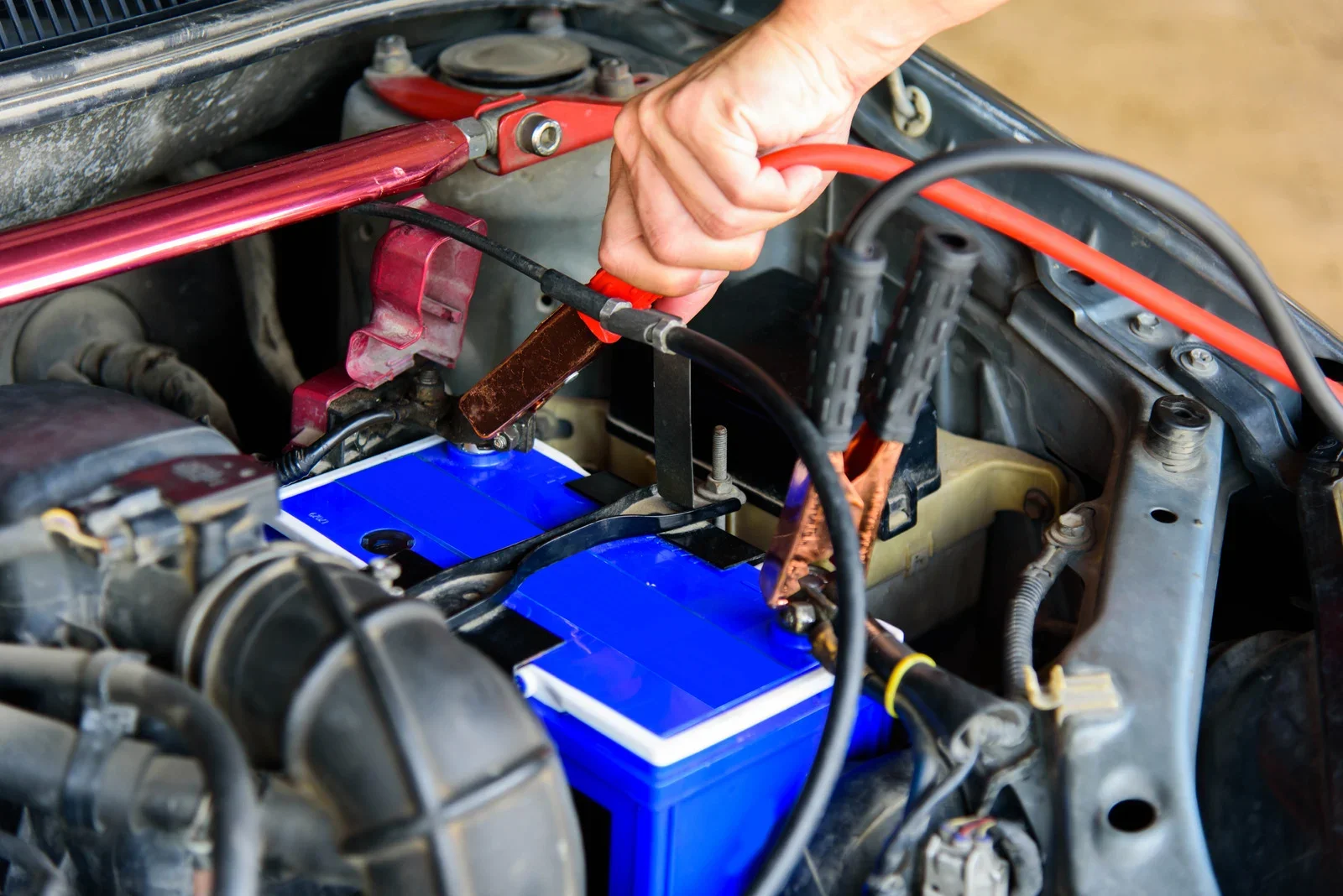
Few things are more stressful than getting into your vehicle, turning the key or pressing the start button, and realizing nothing happens. When your car won’t start, panic sets in quickly. Many drivers immediately assume the worst, imagining a bad starter, major engine trouble, or a costly repair bill they weren’t prepared for.
The good news is that in most real-world situations, the issue is far simpler. Across Honolulu and Central Oahu, the most common reason a car won’t start is a dead battery, not a failed starter. Understanding the difference can save you time, money, and unnecessary stress.
If you’re currently stuck or trying to figure out what went wrong, this guide will walk you through the most common signs your car won’t start due to a dead battery and explain what to do next.
Why a Dead Battery Is the Most Common No-Start Issue
Your vehicle’s battery supplies power to every electrical component, including the starter motor. Even if the starter itself is working perfectly, it cannot turn the engine over without sufficient battery voltage.
Battery problems are especially common in Hawaii because heat and humidity shorten battery life. Short driving trips, vehicles that sit unused, and leaving accessories on can all contribute to premature battery failure.
Because of this, many drivers think they have a starter issue when the real problem is simply a battery that no longer holds a charge.
7 Signs Your Car Won’t Start Because of a Dead Battery
1. You Hear Clicking Sounds When You Try to Start the Car
One of the most common symptoms of a dead battery is a rapid clicking noise when you turn the key. This clicking means the starter is trying to engage but does not have enough power to crank the engine fully.
While the sound can be alarming, it usually points to low battery voltage rather than a damaged starter motor.
2. Dashboard Lights Are Dim or Flicker
If your dashboard lights turn on but appear dim, flicker, or shut off when you attempt to start the vehicle, your battery is struggling. A healthy battery should provide steady electrical power even when the engine is cranking.
Weak or fading lights are a strong indicator that your car won’t start because of a dead battery.
3. Nothing Happens at All When You Turn the Key
When there is no sound, no clicking, and no response at all, the battery may be completely discharged. This can happen if lights were left on overnight, the vehicle sat unused for several days, or the battery has reached the end of its lifespan.
In this situation, the starter never receives power, making the vehicle feel totally lifeless.
4. The Car Started Fine Recently, Then Suddenly Didn’t
Starter problems usually develop gradually, while battery failures can happen without warning. If your car started normally yesterday and suddenly won’t start today, the battery is the most likely cause.
Sudden failure is one of the strongest signs that the issue is electrical rather than mechanical.
5. Electrical Accessories Aren’t Working Correctly
A dead or weak battery affects more than just starting the engine. If your power windows move slowly, door locks fail to respond, the radio cuts out, or headlights look dim, the battery is not delivering consistent power.
These symptoms often appear together when a battery is near failure.
6. The Car Needed a Jumpstart Recently
If your vehicle was jumpstarted recently and now won’t start again, the battery is likely no longer holding a charge. Jumpstarts are temporary solutions and do not repair a failing battery.
Repeated no-start situations almost always mean replacement is needed.
7. Your Battery Is More Than Three Years Old
Most car batteries last between three and five years. In warm climates like Honolulu and Central Oahu, battery life can be even shorter. If your battery is older and your car won’t start, the battery should be the first thing you suspect.
What to Do Immediately When Your Car Won’t Start
Avoid repeatedly turning the key, as this can drain remaining battery power and increase electrical strain. If you are unsure how to jumpstart a vehicle properly, avoid attempting it yourself. Improper jumpstarting can damage modern vehicle electronics and create safety risks.
Calling a professional jumpstart service is often the safest and fastest solution.
Why Professional Jumpstart Service Makes Sense
When your car won’t start due to a dead battery, professional roadside assistance eliminates guesswork. Trained technicians use proper equipment and procedures to safely restore power without damaging your vehicle.
Professional jumpstart services are especially helpful if you are stranded at night, in a parking lot, or on the roadside where safety is a concern.
When a Jumpstart May Not Fully Solve the Problem
In some cases, jumpstarting the car will get it running, but the battery may fail again shortly after. This can happen if the battery has internal damage, severe corrosion, or is unable to hold a charge.
When this occurs, additional steps such as battery replacement or towing may be necessary.
How to Reduce the Risk of a Dead Battery
You can lower your chances of being stranded by replacing aging batteries, turning off lights and accessories, driving your vehicle regularly, and having the battery tested during routine maintenance. Small habits can make a big difference.
Why Dead Battery Calls Are So Common in Honolulu and Central Oahu
Many drivers are surprised by how frequently battery-related breakdowns occur in Honolulu and Central Oahu. Local driving conditions play a major role. Short trips, stop-and-go traffic, and frequent use of air conditioning put constant strain on a vehicle’s electrical system. Over time, this prevents the battery from fully recharging, even if the car is driven regularly.
In addition, many vehicles in Hawaii sit unused for days at a time. Whether it’s a secondary car, a work truck, or a vehicle parked during travel, inactivity slowly drains battery power. When combined with heat and humidity, this can cause batteries to fail sooner than expected.
Why Acting Quickly Matters When Your Car Won’t Start
Another major factor is modern vehicle technology. Today’s cars rely heavily on electronics, sensors, and onboard computers that continue drawing power even when the vehicle is off. While convenient, these systems can accelerate battery drain if the battery is already weak, leading to sudden no-start situations without warning.
Many drivers wait too long before calling for help, hoping the car will start on its own. Unfortunately, a weak battery rarely fixes itself. Waiting can leave you stranded in unsafe or inconvenient locations. Acting quickly when your car won’t start can prevent further issues and help you get back on the road sooner.
Car Won’t Start? Don’t Panic—Help Is Available
If your car won’t start and the signs point to a dead battery, there’s no need to panic or guess. Professional help can get you back on the road quickly and safely.
Call us for a jumpstart in Honolulu & Central Oahu
Fast response and expert service can turn a stressful situation into a minor inconvenience and help you continue your day without unnecessary delays.