
Can You Jumpstart a Modern Car Safely? (Electronics, Hybrids, and More)
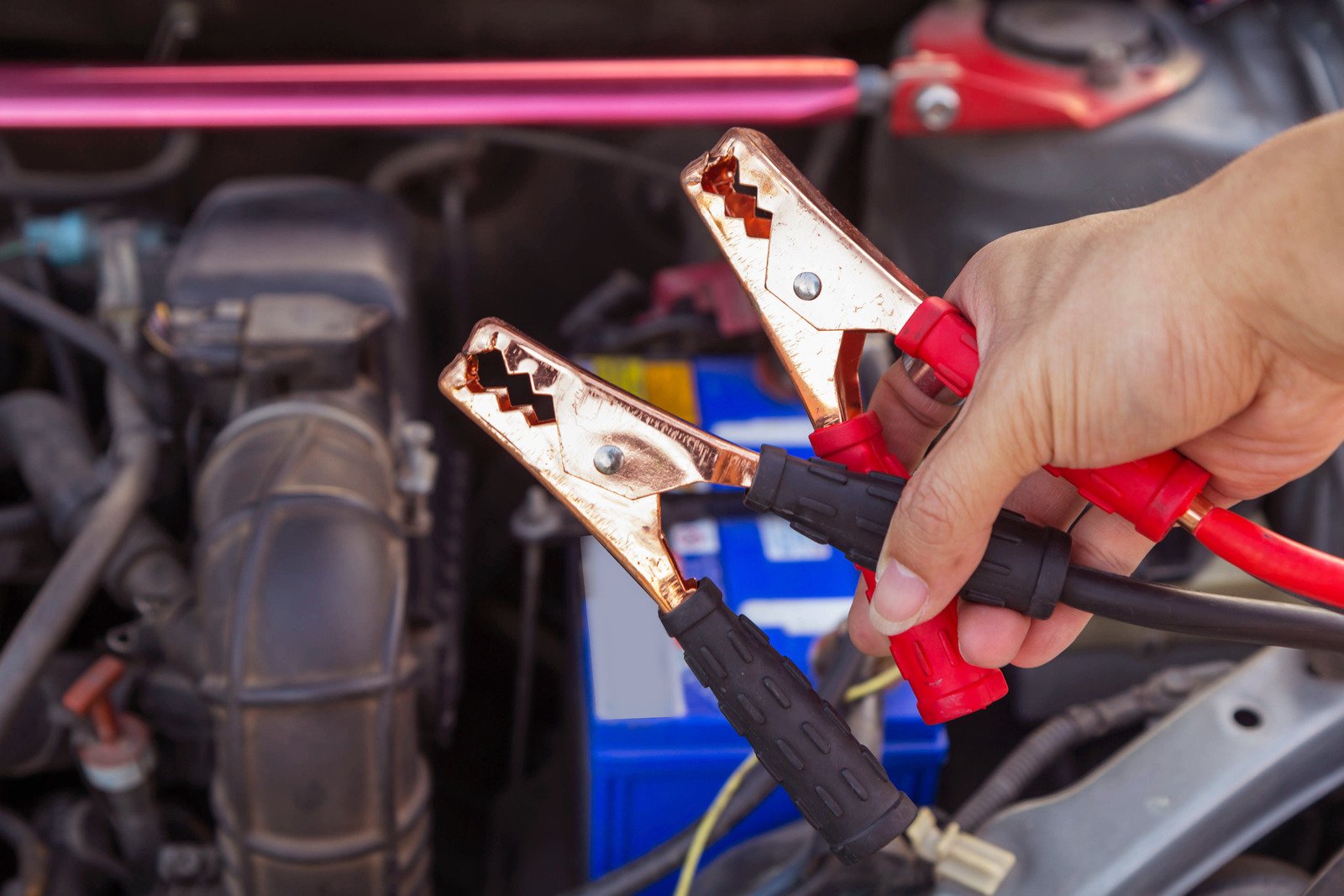
If your car won’t start and you suspect a dead battery, the first question many drivers ask is: is it safe to jumpstart a modern car? With today’s vehicles packed with electronics, sensors, computers, and advanced systems, it’s a fair concern. Jumpstarting used to be simple, but modern cars are far more complex than older models.
For drivers in Honolulu and across Oahu, dead batteries are common due to heat, humidity, and short trips. While jumpstarting is still one of the fastest solutions, doing it incorrectly can damage sensitive electronics, leading to expensive repairs.
In this guide, we’ll explain whether it’s safe to jumpstart a modern car, what makes newer vehicles different, how hybrids and push-start cars are affected, and when professional help is the safer option.
Why Jumpstarting Modern Cars Is Different Than Older Vehicles
Older vehicles relied mainly on mechanical systems with limited electronics. Modern cars, however, depend heavily on electronic control units (ECUs) to manage everything from engine performance to safety features.
Today’s vehicles include:
Engine control modules.
Infotainment systems.
Advanced sensors.
Driver assistance technology.
Computer-controlled charging systems.
Because of this, improper jumpstarting can send voltage spikes through the system, potentially damaging sensitive components.
This is why the question “is it safe to jumpstart a modern car” depends not just on whether it works, but on how it’s done.
Is It Safe to Jumpstart a Modern Car? The Short Answer
Yes, it can be safe to jumpstart a modern car—but only when done correctly, using proper equipment and procedures.
Problems usually arise when:
Jumper cables are connected incorrectly.
Power surges occur.
Vehicles are incompatible.
The battery is severely damaged.
Modern cars are less forgiving of mistakes than older vehicles.
How Modern Electronics Are Affected During Jumpstarting
When a car is jumpstarted, electrical power flows directly into the battery and onboard systems. If voltage is unstable, it can impact electronics such as:
Engine control modules.
Transmission computers.
Safety systems.
Infotainment displays.
In some cases, incorrect jumpstarting can cause warning lights to appear or disable systems until they are reset by a technician.
This is why many manufacturers recommend caution—or professional assistance—when jumpstarting modern vehicles.
Push-Button Start Vehicles and Jumpstarting
Push-button start vehicles rely entirely on electronics to initiate ignition. When the battery is weak or dead:
The vehicle may not recognize the key.
The ignition system may not activate.
Dashboard displays may behave erratically.
While it is generally safe to jumpstart these vehicles, proper connection points must be used. Some models even have designated jumpstart terminals under the hood rather than directly on the battery.
Failing to follow manufacturer guidelines increases the risk of electrical issues.
Is It Safe to Jumpstart Hybrid Vehicles?
Hybrid vehicles add another layer of complexity.
While hybrids have high-voltage battery systems, they also include a standard 12-volt battery responsible for starting the vehicle’s electronics. Most hybrid jumpstarts involve the 12-volt system only.
However:
Jumpstarting the wrong battery can be dangerous
High-voltage systems must never be touched
Some hybrids require special procedures
Because of this, many experts recommend professional jumpstart service for hybrid vehicles to avoid serious safety risks.
Electric Vehicles and Jumpstarting
Fully electric vehicles (EVs) also use a 12-volt battery to power electronics, displays, and control systems. While jumpstarting an EV is sometimes possible, it must be done carefully and according to manufacturer instructions.
Improper jumpstarting can:
Trigger system faults.
Disable vehicle operation.
Require dealership diagnostics.
This makes professional assistance the safest option for most EV owners.
Why DIY Jumpstarts Can Be Risky for Modern Cars
Many drivers attempt DIY jumpstarts using traditional cables without realizing the risks.
Common mistakes include:
Reversing cable connections.
Allowing cables to touch metal components.
Using incompatible vehicles.
Jumpstarting a severely damaged battery.
These errors can result in blown fuses, fried electronics, or permanent system damage.
When asking “is it safe to jumpstart a modern car”, the biggest variable is human error.
Why Professional Jumpstart Equipment Is Safer
Professional roadside technicians use:
Regulated jump boxes.
Surge-protected equipment.
Vehicle-specific procedures.
This reduces the risk of voltage spikes and protects sensitive electronics.
Professional services are especially important for:
Vehicles with advanced driver assistance systems.
Signs You Should NOT Attempt a Jumpstart
Jumpstarting is not always safe, even with the right tools.
Avoid jumpstarting if:
The battery is leaking or swollen.
You smell sulfur or burning.
There is visible corrosion damage.
Warning lights indicate electrical faults.
In these cases, jumpstarting could cause further damage or create safety hazards.
What Happens If Jumpstarting Damages Electronics
Electrical damage from improper jumpstarting can lead to:
Dashboard warning lights.
Malfunctioning safety systems.
Disabled infotainment features.
Expensive diagnostic repairs.
In some cases, repairs may require dealer-level programming or module replacement.
This is why many drivers choose professional help rather than risking costly mistakes.
How Hawaii Conditions Increase Jumpstart Risks
In Hawaii, heat and humidity already stress vehicle electronics and batteries. Jumpstarting a weakened battery in these conditions increases the likelihood of failure or voltage instability.
Additionally:
Coastal air contributes to corrosion.
Batteries fail more suddenly.
Electrical systems degrade faster.
These factors make cautious jumpstarting even more important on Oahu.
When a Jumpstart Is Still the Right Choice
Despite the risks, jumpstarts are still safe and effective in many situations when done properly.
A jumpstart is usually appropriate when:
The battery is simply drained.
There are no warning lights.
The vehicle previously ran normally.
The battery is not physically damaged.
Professional assessment ensures the jumpstart is performed safely.
When a Tow Is Safer Than a Jumpstart
Sometimes, jumpstarting a modern car is not the best option.
A tow may be safer if:
The battery won’t hold a charge.
The vehicle stalls after starting.
Electrical systems behave unpredictably.
The battery is old or failing.
Choosing a tow prevents repeated breakdowns and reduces risk.
How to Reduce Jumpstart Risks in Modern Vehicles
To lower the chances of needing a jumpstart—or doing it unsafely—drivers should:
Replace batteries proactively.
Avoid leaving electronics on.
Drive vehicles regularly.
Have charging systems tested.
Preventive care is the best protection.
Is It Safe to Jumpstart a Modern Car? Yes—With the Right Approach
So, is it safe to jumpstart a modern car? Yes, when done correctly and with proper equipment. The danger comes from outdated methods, incorrect connections, and misunderstanding modern vehicle systems.
Modern cars demand modern solutions.
When in Doubt, Professional Help Is the Safest Option
If you’re unsure whether your vehicle can be safely jumpstarted, it’s best not to guess. Professional roadside assistance can evaluate the situation and perform the jump safely—or recommend towing if needed.
Call us for a jumpstart in Honolulu & Central Oahu
With expert equipment and experience, professional help protects your vehicle while getting you back on the road quickly and safely.