
Jumpstart vs Tow: When a Dead Battery Needs More Than a Boost
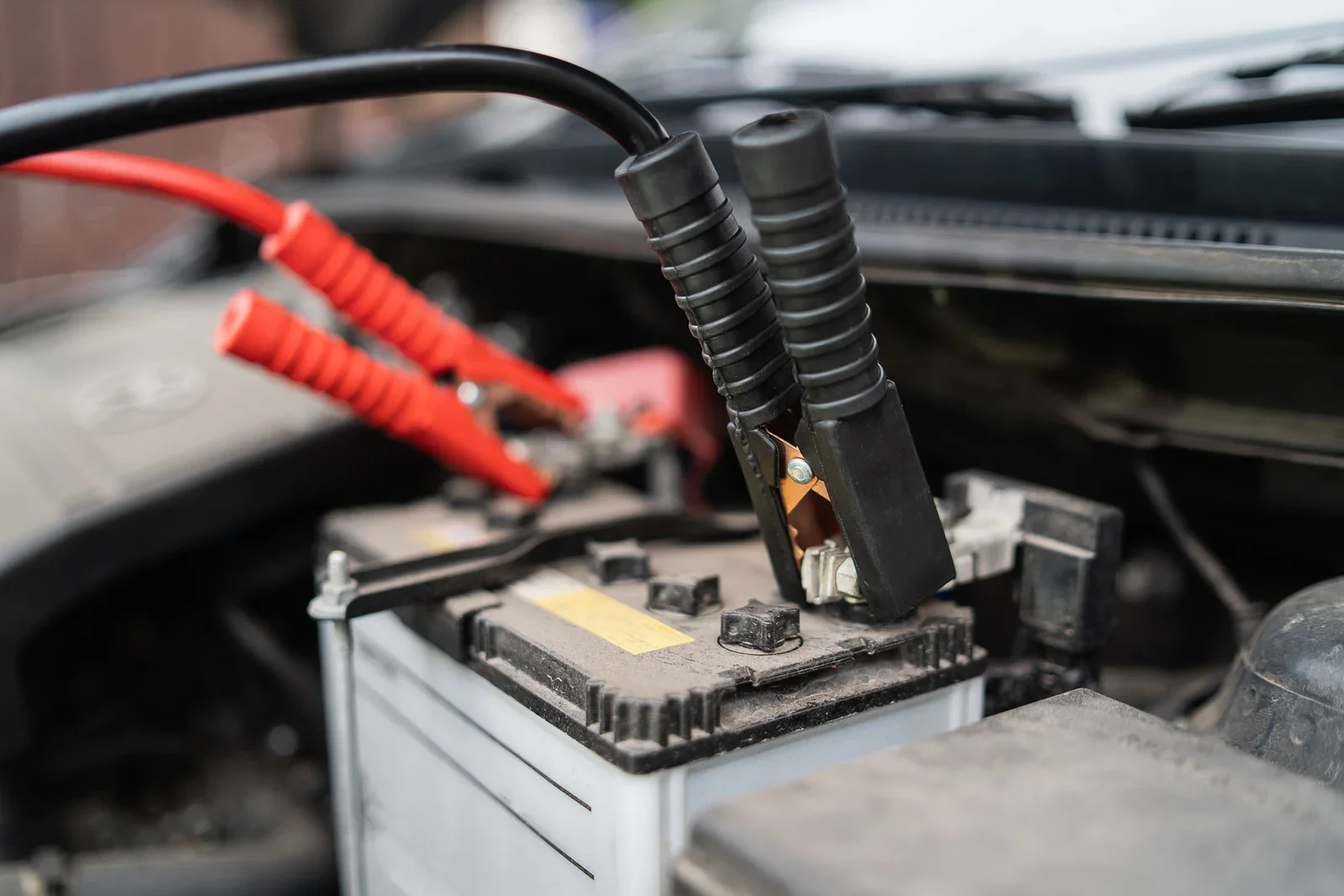
When your car won’t start, one of the first decisions you have to make is whether you need a jumpstart or a tow. For many drivers, the situation feels urgent and confusing. You may be stranded in a parking lot, late for work, or stuck on the roadside wondering which service is actually necessary.
Understanding jumpstart vs tow can save you time, money, and unnecessary stress. In many cases, a simple jumpstart is enough to get your vehicle running again. In other situations, a tow is the safer and smarter option.
This guide explains the difference between jumpstarting and towing, when each service is appropriate, and how to tell when a dead battery needs more than just a boost.
Understanding the Difference: Jumpstart vs Tow
Before deciding what you need, it helps to understand what each service actually does.
A jumpstart provides temporary electrical power to your vehicle’s battery, allowing the engine to start. It’s fast, affordable, and ideal when the battery is weak but still functional.
A tow, on the other hand, transports your vehicle to another location—usually a repair shop, dealership, or your home. Towing is necessary when the vehicle cannot be safely driven after starting, or when starting the engine isn’t possible at all.
Choosing between jumpstart vs tow depends entirely on what’s causing the no-start condition.
When a Jumpstart Is Usually Enough
In many cases, a jumpstart is all you need. Battery-related no-start situations are extremely common, especially in warm climates like Hawaii.
A jumpstart is typically sufficient when:
The battery is drained but not damaged.
Lights or accessories were left on.
The car hasn’t been driven for several days.
The battery is weak but still holding some charge.
The vehicle starts and runs normally after the jump.
If the engine starts quickly and stays running, a tow is usually unnecessary.
Signs That a Jumpstart Will Likely Work
Knowing the symptoms can help you decide quickly.
A jumpstart is likely to solve the issue if:
You hear clicking when turning the key.
Dashboard lights turn on but are dim.
The car started fine recently.
The vehicle runs normally once started.
This is the first no-start incident.
In these situations, calling for a jumpstart is often the fastest and most cost-effective solution.
When a Tow Is the Better Option
While jumpstarts solve many problems, there are times when a tow is necessary.
A tow is usually required when:
The battery is completely dead and won’t accept a charge.
The vehicle stalls shortly after being jumpstarted.
The battery terminals are severely corroded.
The alternator isn’t charging the battery.
The car won’t start at all, even with a jump.
Warning lights indicate deeper electrical issues.
In these cases, starting the car doesn’t mean it’s safe to drive.
Jumpstart vs Tow: What Happens If the Battery Won’t Hold a Charge
One of the most important factors in the jumpstart vs tow decision is whether the battery can hold a charge.
If the vehicle starts but dies again shortly after:
The battery may be internally damaged.
The alternator may not be charging properly.
Electrical systems may be draining power.
Driving in this condition can leave you stranded again—possibly in a worse location. A tow prevents repeated breakdowns and further stress.
How Battery Age Affects the Decision
Battery age plays a major role in determining whether a jumpstart or tow is the right choice.
Most car batteries last three to five years, but in Hawaii, heat often shortens that lifespan.
If your battery is:
Older than three years.
Frequently needing jumpstarts.
Showing electrical issues.
A tow may be the smarter option, especially if replacement is likely.
Why Repeated Jumpstarts Are a Warning Sign
One jumpstart is usually not a cause for concern. Multiple jumpstarts within a short period are a clear warning.
Repeated jumpstarts indicate:
The battery is failing.
The charging system may have issues.
The vehicle is unreliable.
In this situation, towing the vehicle to a repair facility is often safer than continuing to rely on temporary boosts.
Jumpstart vs Tow in Hawaii Driving Conditions
Oahu presents unique challenges that affect this decision.
Factors include:
Heavy traffic and congestion.
Limited roadside space.
Heat accelerating battery failure.
Vehicles parked in garages or tight areas.
If a vehicle stalls in traffic or won’t reliably restart, towing is often the safest option to avoid creating a hazardous situation.
Cost Considerations: Jumpstart vs Tow
Cost is another reason drivers hesitate when deciding between a jumpstart and a tow.
Generally:
Jumpstarts are quicker and more affordable.
Tows cost more but provide a permanent solution.
While a jumpstart may seem cheaper upfront, repeated service calls can add up. In some cases, a tow saves money by preventing multiple breakdowns.
Safety Matters More Than Speed
While jumpstarts are fast, safety should always come first.
A tow is the better option if:
You’re in an unsafe roadside location.
The vehicle could stall again.
Electrical systems are unstable.
Nighttime visibility is poor.
Choosing a tow in these situations reduces risk to you and other drivers.
How Professionals Decide: Jumpstart or Tow
Roadside technicians assess several factors before recommending a service, including:
Battery condition.
Vehicle response to a jump
Warning lights
Electrical system behaviour
Their goal is not just to start the car, but to ensure it can be driven safely afterward.
What Happens If You Choose the Wrong Option
Choosing a jumpstart when a tow is needed can result in:
Getting stranded again.
Increased stress.
Potential vehicle damage.
Choosing a tow when a jumpstart would work usually just means spending more than necessary. That’s why understanding jumpstart vs tow matters.
How to Reduce the Chances of Needing Either
Preventive maintenance can help avoid both jumpstarts and towing.
Best practices include:
Replacing aging batteries early.
Driving regularly.
Turning off all lights and accessories.
Having the charging system checked.
These steps reduce the risk of sudden no-start situations.
Jumpstart vs Tow: Making the Right Call
When deciding between jumpstart vs tow, ask yourself:
Has this happened before?
Does the car stay running?
Is the battery old?
Is it safe to drive?
If the answer points to uncertainty, towing is often the safer choice.
When in Doubt, Professional Help Makes the Difference
Trying to guess can lead to frustration and risk. Professional roadside assistance helps assess the situation quickly and recommend the right service.
Whether you need a jumpstart or a tow, the goal is the same: getting you out of a stressful situation safely and efficiently.
Jumpstart vs Tow: Know the Difference Before You’re Stranded
A dead battery doesn’t always mean the same solution. Sometimes a quick boost is enough. Other times, towing is the smarter move.
Understanding jumpstart vs tow helps you respond confidently instead of reacting under pressure.
Call us for help in Honolulu & Central Oahu
Whether your vehicle needs a jumpstart or a tow, fast professional assistance can get you moving again with less stress and fewer surprises.