
Dumpster Rental 101: Choosing the Right Size for Your Oahu Home Renovation or Cleanup
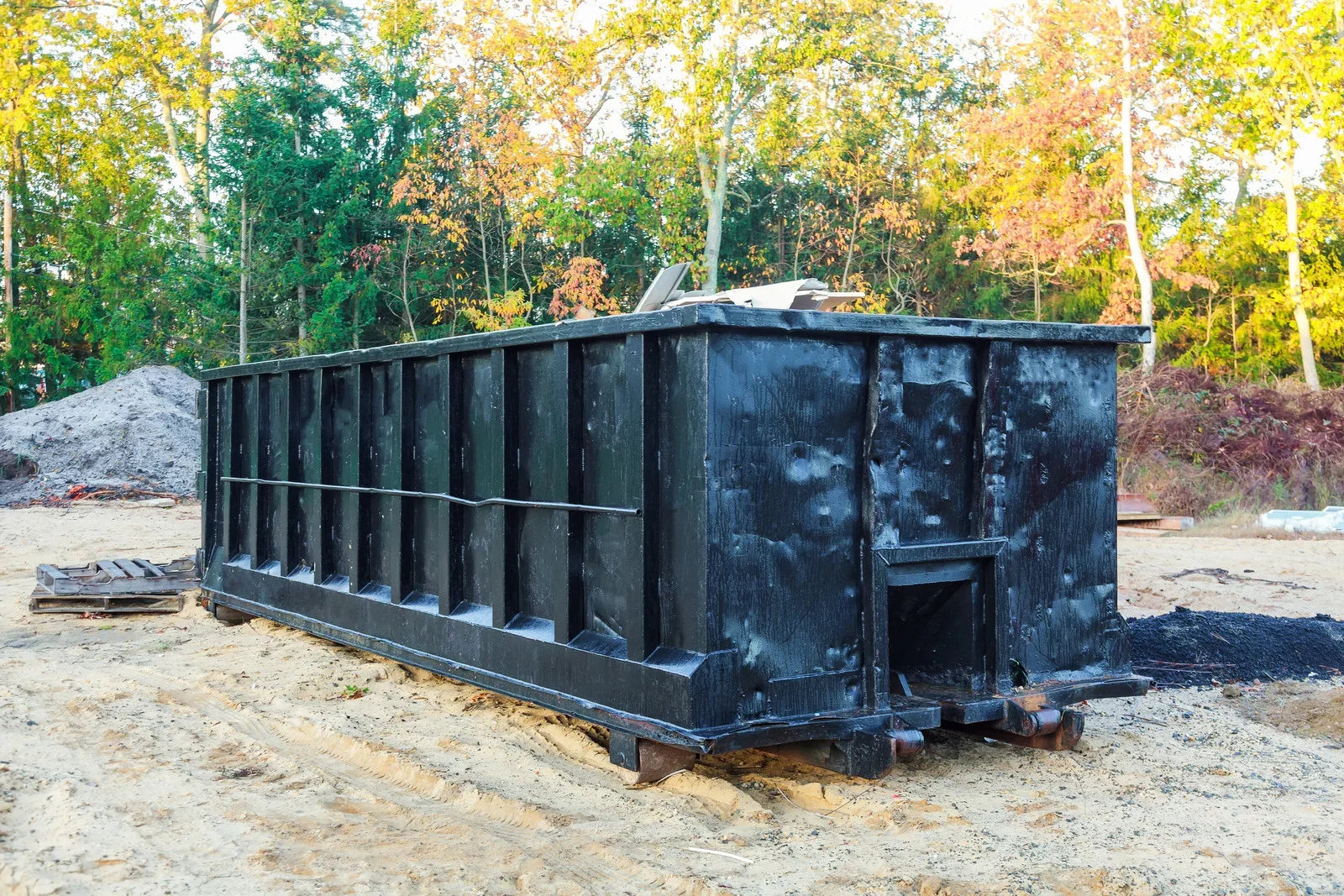
Renovating a home or clearing out clutter in Oahu often generates more waste than expected. From old flooring and cabinetry to yard debris and broken furniture, managing disposal efficiently becomes a critical part of any project. Dumpster rental services provide a practical solution, allowing homeowners to keep work areas clean, safe, and organized while ensuring waste is handled responsibly. Choosing the right dumpster size is not just a matter of convenience—it directly impacts cost, efficiency, and project timelines.
In Oahu, where residential spaces can vary from compact urban homes to larger suburban properties, selecting the correct dumpster size becomes even more important. An undersized container leads to overflows, delays, and additional rental fees, while an oversized one can unnecessarily increase project costs. Understanding how dumpster sizes align with renovation or cleanup needs helps ensure smoother operations and better waste management outcomes. This guide explores essential factors to consider when selecting the right dumpster size, offering practical insights tailored for home improvement and cleanup projects in Oahu.
Understanding Dumpster Sizes for Oahu Projects
Common Dumpster Size Options
Dumpster rentals typically come in multiple sizes, ranging from 10-yard containers for small cleanouts to 40-yard dumpsters for large construction projects. A 10-yard unit suits minor garage cleanups, while 20- to 30-yard options are ideal for home renovations. Larger 40-yard dumpsters handle full-scale demolition work or multi-room remodels.
How Capacity Is Measured
Dumpster capacity is measured in cubic yards, which reflects the volume of waste it can hold. One cubic yard equals roughly three pickup truck loads. Understanding this conversion helps visualize how much debris fits into each container and prevents misjudgment during project planning.
Matching Dumpster Size to Renovation or Cleanup Needs
Home Renovation Projects
Kitchen remodels, bathroom upgrades, and flooring replacements generate moderate debris. A 20- or 30-yard dumpster usually fits these needs, accommodating cabinets, tiles, drywall, and fixtures without frequent pickups or replacements.
Yard and Seasonal Cleanups
Large yard cleanups involving branches, soil, and landscaping waste typically require smaller containers. A 10- or 15-yard dumpster is often sufficient, especially for residential properties with limited space.
Whole-Home Cleanouts
Estate cleanouts or major decluttering projects require flexibility. A 30-yard dumpster is often the best balance, handling furniture, appliances, and mixed household waste efficiently.
Common Mistakes When Choosing Dumpster Sizes
Underestimating Waste Volume
One of the most frequent mistakes is underestimating how much debris a project will generate. Renovations often uncover hidden waste, leading to overloaded dumpsters and additional service fees.
Choosing Based Only on Price
Selecting a smaller dumpster to save money can backfire if multiple rentals become necessary. A slightly larger container often proves more cost-effective in the long run.
Ignoring Weight Limits
Different materials have different weights. Heavy debris like concrete or roofing shingles can exceed weight limits even if space remains available, resulting in penalties or additional charges.
Space, Permits, and Local Oahu Considerations
Placement and Property Space
Driveway and street space availability plays a major role in dumpster selection. Larger dumpsters require more clearance, while smaller units offer flexibility in tighter residential areas common across Oahu.
Permit Requirements
In certain Oahu neighborhoods, placing a dumpster on the street may require a permit. Understanding local regulations before scheduling delivery helps avoid delays and fines.
Weather and Accessibility Factors
Oahu’s tropical climate and occasional heavy rainfall can impact loading conditions. Choosing a size that allows quick and efficient loading minimizes exposure to weather-related disruptions.
Cost Efficiency and Smart Loading Practices
Optimizing Space Usage
Breaking down large items before disposal helps maximize dumpster capacity. Flattening materials and stacking efficiently prevents wasted space and reduces the need for additional rentals.
Scheduling the Right Duration
Aligning rental duration with project timelines avoids unnecessary extensions. Proper planning ensures the dumpster is used fully within the agreed period.
Avoiding Overfill Charges
Keeping waste within container limits is essential. Overfilled dumpsters may be refused during pickup or incur additional fees, increasing overall project costs.
Trusted Dumpster Solutions Supporting Oahu Home Projects
Reliable waste disposal plays a major role in keeping renovation and cleanup projects on track, especially when timelines are tight and space is limited. Proper dumpster selection reduces downtime, prevents overflow issues, and ensures compliance with local disposal requirements. Having dependable support during this process makes a noticeable difference in both efficiency and cost management.
We provide consistent assistance for homeowners and contractors who need practical, timely solutions for waste removal across Oahu. Our approach focuses on matching the right dumpster size to each project’s specific requirements, helping avoid unnecessary expenses and operational delays. With a strong understanding of residential layouts and project demands, we prioritize smooth delivery, proper placement, and efficient pickup coordination.
Discount Towing Hawaii serves in Honolulu, Wahiawa, and across Central Oahu, HI, with a commitment to dependable service and customer-focused solutions. With 5 years of hands-on experience, we understand the challenges that come with renovation debris, yard waste, and large-scale cleanouts. Our team emphasizes practical guidance and reliable support to help every project run efficiently from start to finish. By combining local knowledge with consistent service standards, we ensure that waste management becomes one less concern during any renovation or cleanup effort.