
Flat Tire in Honolulu? What to Do First?
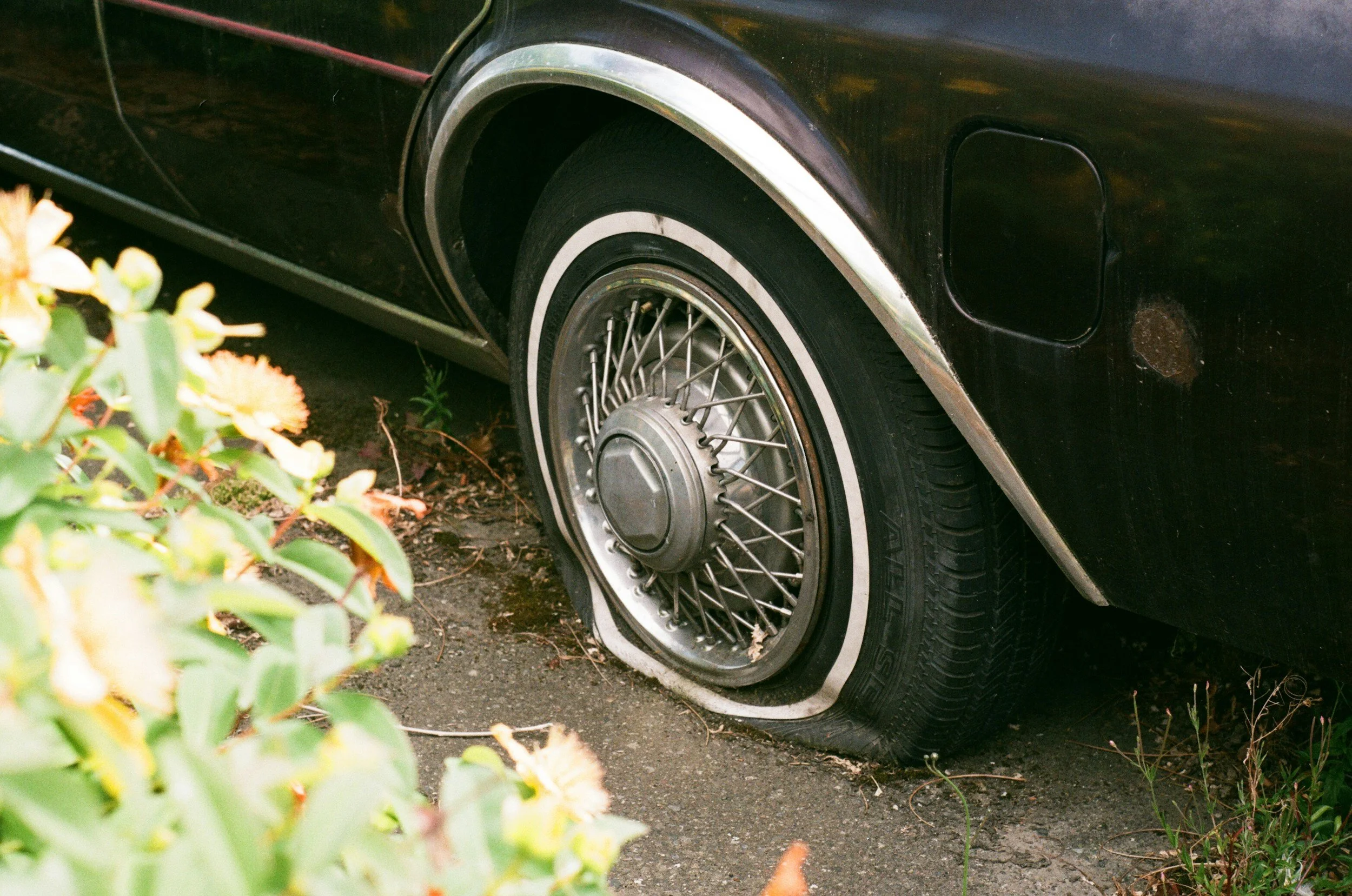
Getting a flat tire in Honolulu can be stressful, especially if it happens in heavy traffic, on a narrow street, or during busy commuting hours. Whether you are driving through downtown, along the H-1, or in a residential neighborhood, knowing exactly what to do first can make a significant difference in your safety and the outcome of the situation.
Flat tires are one of the most common roadside issues, but improper reactions often create unnecessary risks. This guide walks you through a clear safety checklist to follow immediately after experiencing a flat tire in Honolulu, helping you protect yourself, your passengers, and other drivers.
Stay Calm and Recognize the Signs of a Flat Tire
The first step is recognizing that you have a flat tire. Common signs include a sudden loss of steering control, thumping or flapping noises, vibration in the steering wheel, or the vehicle pulling strongly to one side. In some cases, warning lights may appear on the dashboard.
Once you notice these signs, remain calm. Sudden braking or sharp steering can make the situation worse, especially at highway speeds. Your priority is to slow down safely and regain control of the vehicle.
Reduce Speed Gradually and Signal Your Intentions
As soon as you realize you have a flat tire, begin slowing down gradually. Do not slam on the brakes. Instead, ease off the accelerator and allow the vehicle to decelerate naturally.
Turn on your hazard lights immediately to alert other drivers that you are experiencing a problem. In Honolulu’s dense traffic, this step is critical for visibility and preventing rear-end collisions.
If possible, signal and begin moving toward the right side of the road.
Move to the Safest Location Possible
Where you stop matters just as much as how you stop. In Honolulu, some roads have limited shoulders or heavy pedestrian traffic, so choosing the safest possible location is essential.
Ideal places to stop include:
A wide shoulder away from traffic.
A parking lot or side street.
A rest area or pull-off zone.
Avoid stopping on curves, bridges, or narrow lanes whenever possible. If you are on the highway and cannot reach a safe shoulder, slow down and stop as far to the right as conditions allow.
Apply the Parking Brake and Turn Off the Engine
Once you are safely stopped, apply the parking brake to prevent the vehicle from rolling. This is especially important on Honolulu’s roads, which may have slight slopes even when they appear flat.
Turn off the engine to reduce the risk of overheating or mechanical damage. Keep your hazard lights on to maintain visibility.
Stay Inside the Vehicle If It Is Unsafe Outside
Many people instinctively exit their vehicle after a flat tire, but this is not always the safest choice. In heavy traffic areas or on highways, staying inside the vehicle with your seatbelt fastened may be safer than standing near moving traffic.
If you must exit the vehicle, do so on the side away from traffic and move to a safe distance, such as behind a guardrail or onto a sidewalk.
Assess the Situation Before Taking Action
Before attempting to change the tire or calling for help, assess the situation carefully.
Ask yourself:
Is the vehicle in a safe, stable location?
Do I have the tools and a usable spare tire?
Is traffic heavy or conditions unsafe?
Is it daytime or nighttime?
In many Honolulu locations, changing a tire on the roadside is not recommended due to traffic volume and limited space.
Use Safety Equipment if You Have It
If you have roadside safety equipment, now is the time to use it. Reflective triangles or road flares can increase visibility, especially at night or in low-visibility conditions.
Place warning devices behind your vehicle at a safe distance to alert approaching drivers. Always face oncoming traffic when placing warning equipment, and never turn your back to moving vehicles.
Avoid Common Flat Tire Mistakes
Certain actions can make a flat tire situation more dangerous.
Avoid:
Standing in traffic lanes.
Attempting a tire change on an uneven or sloped surface.
Driving long distances on a completely flat tire.
Ignoring warning signs or dashboard alerts.
Driving on a flat tire can damage the wheel and suspension, turning a simple issue into a costly repair.
Decide Whether to Change the Tire or Call for Help
If you are in a safe location, have the proper tools, and are confident in changing a tire, you may proceed cautiously. However, many drivers choose to call for roadside assistance, especially in Honolulu’s traffic-heavy areas.
Calling for help is often the safest option when:
Traffic is heavy or fast-moving.
You lack proper tools or experience.
The spare tire is missing or damaged.
Weather or lighting conditions are poor.
Safety should always take priority over convenience.
Be Extra Cautious on Highways and Busy Roads
Honolulu highways such as the H-1, H-2, and H-3 present unique risks during a flat tire situation. Traffic speeds are high, and shoulders may be narrow.
If you experience a flat tire on a highway, reduce speed gradually and attempt to reach the nearest safe exit or wide shoulder. Do not attempt to change a tire in an active traffic lane.
After the Flat Tire Is Addressed
Once the flat tire has been changed or assistance has arrived, drive cautiously. Spare tires are often temporary and have speed and distance limitations.
Have the damaged tire inspected or replaced as soon as possible to ensure safe driving conditions moving forward.
Preventing Future Flat Tires
While not all flat tires can be avoided, regular maintenance helps reduce risk. Checking tire pressure, inspecting tread depth, and avoiding road hazards can significantly lower the chances of experiencing another flat tire.
Honolulu’s roads may contain debris, potholes, or construction zones that increase tire damage risk, making routine checks especially important.
Special Considerations for Nighttime or Bad Weather Flats
Flat tires that occur at night or during heavy rain require extra caution. Reduced visibility makes it harder for other drivers to see a stopped vehicle, increasing the risk of accidents. Rain can also make road surfaces slippery, affecting both vehicle stability and personal footing if you exit the car.
In these situations, keeping hazard lights on is especially important. If visibility is poor or traffic is heavy, it is often safer to remain inside the vehicle and call for roadside assistance rather than attempting a tire change. Prioritizing visibility and personal safety during adverse conditions helps prevent secondary incidents.
Conclusion
A flat tire in Honolulu can happen at any time, but knowing what to do first makes all the difference. Staying calm, slowing down safely, choosing the right stopping location, and prioritizing personal safety are the most important steps.
Following this safety checklist helps reduce risk, prevent further vehicle damage, and keep you protected in busy traffic conditions. Whether you change the tire yourself or seek professional help, making smart decisions from the moment the flat tire occurs ensures a safer and less stressful experience on Honolulu’s roads.