
Can You Tow a Loaded Shipping Container? What’s Safe and What’s Not
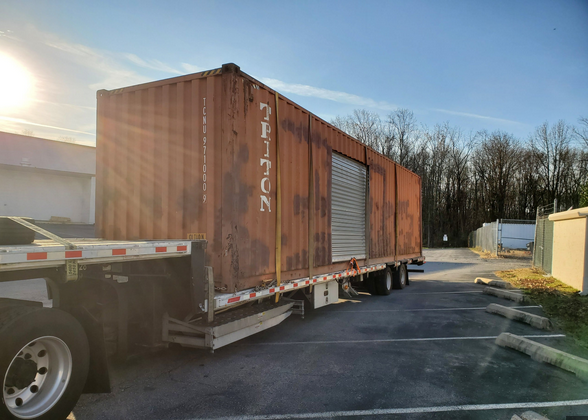
Shipping containers are widely used for storage, construction, and commercial transport, and it is common for them to be moved from one location to another. A frequent question that arises during planning is whether a loaded shipping container can be safely towed. While towing a loaded container is possible in many cases, it is not always advisable, and it must be done under the right conditions.
Understanding what is safe and what is not when towing a loaded shipping container is critical. Weight limits, equipment selection, access conditions, and regulatory requirements all play an important role. This article explains when towing a loaded container is acceptable, what risks are involved, and what factors must be considered to ensure safety and compliance.
Understanding the Difference Between Empty and Loaded Containers
An empty shipping container is already a heavy structure. A standard 20-foot container weighs several thousand pounds, while a 40-foot container weighs significantly more. When cargo, materials, or equipment are added, the total weight can increase dramatically.
A loaded container behaves very differently during transport. The added weight affects braking distance, turning ability, trailer stress, and overall stability. For this reason, towing a loaded container requires a higher level of planning and stronger equipment than towing an empty one.
The key issue is not simply whether a container is loaded, but how much it weighs and how that weight is distributed.
When Towing a Loaded Shipping Container Can Be Safe
Towing a loaded shipping container can be safe under the right circumstances. Several conditions must be met to reduce risk and ensure proper handling.
Accurate Weight Assessment
The total weight of the container, including its contents, must be known or closely estimated. This information is essential for selecting the appropriate towing equipment and determining whether permits are required.
If the weight exceeds equipment limits or legal thresholds, towing becomes unsafe or illegal.
Proper Weight Distribution
Even if the total weight is within acceptable limits, uneven weight distribution can make towing dangerous. Cargo that is concentrated on one side or end of the container can cause imbalance, increasing the risk of shifting during transport.
Properly distributed loads help maintain stability and reduce stress on trailers and towing vehicles.
Suitable Equipment Selection
Loaded containers require heavy-duty towing equipment designed to handle both the weight and size of the load. This often includes reinforced trailers, powerful tow vehicles, and specialized securement systems.
Using equipment designed for empty containers to tow loaded ones is unsafe and can result in mechanical failure or loss of control.
Stable Access and Road Conditions
Safe towing also depends on access and route conditions. Stable ground at the pickup location, adequate space for loading, and suitable roadways are all necessary.
Steep inclines, sharp turns, narrow roads, or soft ground increase risk, especially when towing a loaded container.
Situations Where Towing a Loaded Container Is Not Safe
There are scenarios where towing a loaded shipping container is unsafe or impractical.
Unknown or Excessive Weight
If the container’s contents and total weight are unknown, towing should not proceed. Guessing weight can lead to equipment overload and serious safety hazards.
Containers that exceed trailer or vehicle capacity should never be towed while loaded.
Poorly Secured or Shifting Cargo
Loose or unstable cargo inside the container increases the risk of shifting during transport. Shifting weight can affect balance and cause sudden changes in handling.
If cargo cannot be secured properly, the container should be unloaded before towing.
Inadequate Equipment or Access
If the available equipment is not rated for the container’s loaded weight, or if access conditions are too restricted, towing becomes unsafe. Tight spaces, uneven terrain, or insufficient clearance can all create dangerous conditions.
Regulatory or Permit Restrictions
Certain weights or container sizes may require permits or route approvals. Attempting to tow a loaded container without meeting regulatory requirements can result in fines, forced stoppages, or unsafe rerouting.
How Weight Affects Safety During Towing
Weight plays a central role in determining towing safety. Heavier loads increase momentum, making it harder to stop or control the container. Braking distances increase, and trailers experience greater stress.
Excessive weight can also affect:
Tire performance.
Suspension systems.
Trailer frames.
Road surfaces.
These factors highlight why accurate weight calculations and proper equipment are essential when towing loaded containers.
Securing the Container for Transport
Proper securement is critical regardless of whether a container is empty or loaded. However, loaded containers require additional attention.
Securement methods may include chains, binders, twist locks, and reinforced tie-downs. These systems prevent movement between the container and trailer during transport.
Inadequate securement can allow shifting or sliding, increasing the risk of accidents or container damage.
Permits and Legal Considerations
Towing a loaded shipping container may trigger permit requirements based on weight, size, or route. Regulations vary by location and may include restrictions on travel times, approved routes, or escort requirements.
Failing to comply with permit regulations can lead to delays, fines, or forced unloading. Understanding and addressing these requirements before towing is essential for legal and safe transport.
Planning Ahead Reduces Risk
Proper planning is one of the most effective ways to ensure safe towing of a loaded container. Planning includes verifying weight, inspecting access conditions, selecting appropriate equipment, and confirming regulatory compliance.
Reassessing conditions on towing day is also important. Weather, ground stability, and traffic can all influence safety and may require schedule adjustments.
Alternatives to Towing a Loaded Container
In some cases, unloading the container before towing is the safer option. Cargo can be transported separately and reloaded at the destination.
This approach may increase handling time but reduces towing risk and may eliminate permit or equipment limitations.
Choosing between towing loaded or unloaded depends on balancing safety, cost, and logistical practicality.
Common Misconceptions About Loaded Container Towing
A common misconception is that if a container is delivered loaded, it can always be moved loaded. Conditions change over time, and the equipment used for initial placement may not be available for relocation.
Another misconception is that short distances are always safe. Even short moves can be dangerous if weight limits are exceeded or access conditions are poor.
Conclusion
Towing a loaded shipping container can be safe, but only when the right conditions are met. Accurate weight assessment, proper load distribution, suitable equipment, stable access, and regulatory compliance are all essential factors.
Towing becomes unsafe when weights are unknown or excessive, cargo is unsecured, equipment is inadequate, or access conditions are poor. In such cases, unloading the container before transport is the safer choice.
Understanding what is safe and what is not allows for better planning, reduced risk, and smoother container moves. With careful preparation and informed decision-making, shipping container towing—whether loaded or unloaded—can be completed safely and efficiently.