
What Causes a Car Battery to Die in Hawaii? (Common Oahu Reasons)
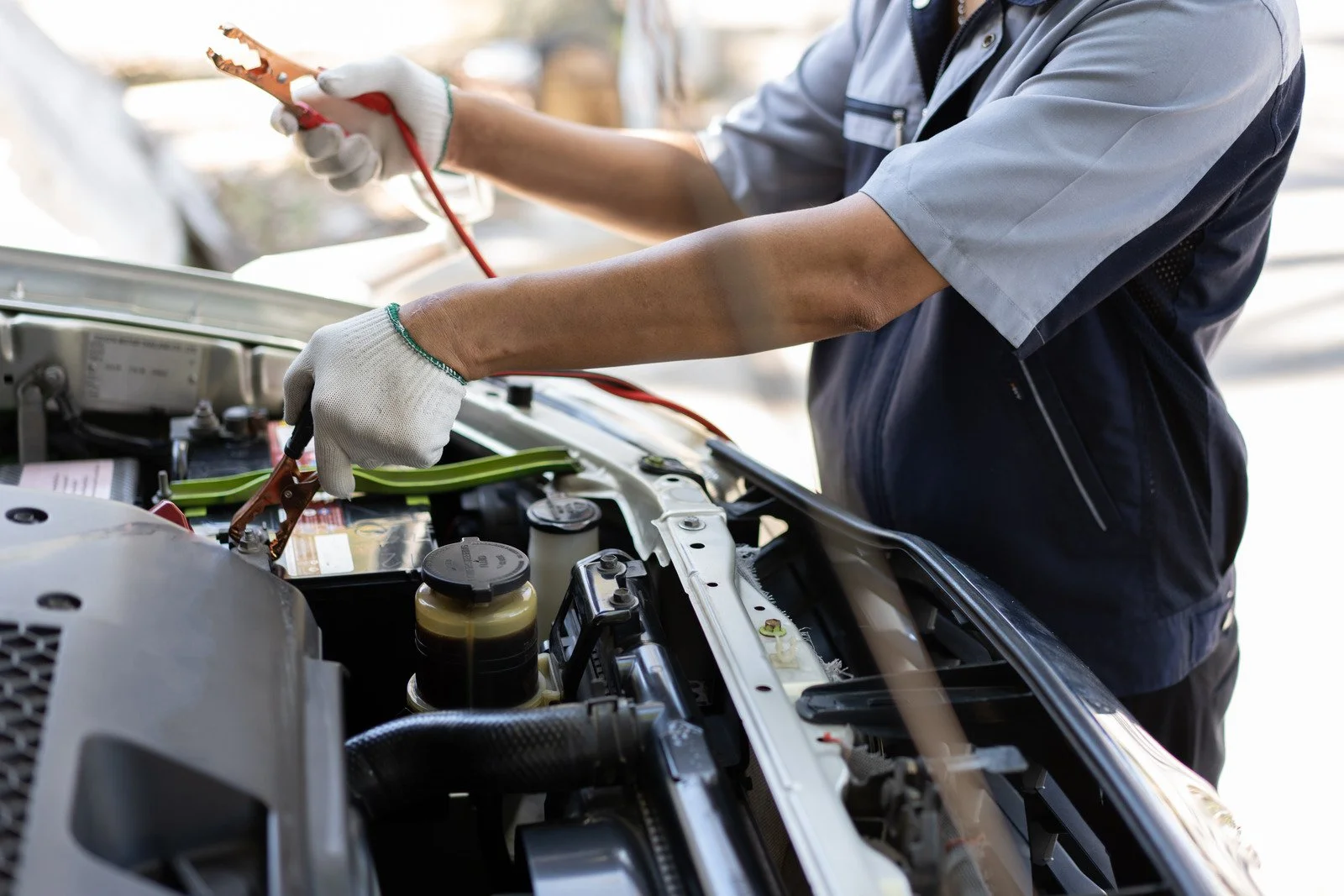
If you’ve ever turned the key or pressed the start button only to find that your car won’t start, you’re not alone. Many drivers across Oahu face this issue every year, often without warning. One of the most common questions we hear is: what causes a car battery to die, especially in Hawaii where driving conditions are unique?
While car batteries are designed to last several years, Hawaii’s climate, driving habits, and vehicle usage patterns can significantly shorten their lifespan. Understanding the most common causes of battery failure can help you avoid being stranded and recognize when it’s time to act.
In this guide, we’ll break down the most common reasons car batteries die in Hawaii, explain why Oahu drivers are especially affected, and share tips on how to reduce the risk.
Why Car Batteries Fail More Often in Hawaii
Car batteries don’t fail randomly. In most cases, there are clear contributing factors that weaken the battery over time. Hawaii’s warm climate, high humidity, and urban driving patterns all play a role.
Many drivers assume cold weather is the biggest threat to batteries, but heat is actually more damaging. Combined with short trips and heavy electrical usage, Oahu creates a perfect environment for premature battery failure.
1. Heat and Humidity Accelerate Battery Wear
One of the biggest answers to what causes a car battery to die in Hawaii is heat.
High temperatures:
Speed up internal chemical reactions.
Increase water evaporation inside the battery.
Cause internal components to degrade faster.
On Oahu, vehicles are exposed to heat year-round. Even when parked, batteries absorb heat from the engine bay and surrounding environment. Over time, this constant exposure shortens battery life significantly.
Humidity also contributes by encouraging corrosion on battery terminals and connections, which interferes with proper electrical flow.
2. Short Trips and Stop-and-Go Driving
Many Oahu drivers make frequent short trips—commutes, errands, school drop-offs, or quick grocery runs. While convenient, short trips are one of the most overlooked causes of battery drain.
When you drive only a few minutes at a time:
The battery doesn’t fully recharge.
Electrical systems consume more power than is replaced.
The battery slowly loses capacity.
Stop-and-go traffic, especially in Honolulu, increases strain because the alternator doesn’t have enough consistent runtime to restore charge.
3. Vehicles Sitting Unused for Long Periods
Another common answer to what causes a car battery to die is inactivity.
Many households on Oahu:
Own multiple vehicles.
Travel frequently.
Leave secondary cars parked for days or weeks.
Even when a vehicle is off, modern cars still draw small amounts of power for alarms, computers, and keyless entry systems. Over time, this drains the battery.
When combined with heat, inactivity can cause a battery to fail faster than expected.
4. Modern Vehicle Electronics and Parasitic Drain
Today’s vehicles rely heavily on electronics. While convenient, these systems increase the risk of battery drain.
Common power-drawing features include:
Infotainment systems.
Sensors and onboard computers.
Phone charging ports.
Remote start and security systems.
Even when the engine is off, these components may continue drawing power. If the battery is already weak, this parasitic drain can be enough to leave your car unable to start.
5. Leaving Lights or Accessories On
It may sound simple, but leaving lights or accessories on remains one of the most frequent causes of dead batteries.
This includes:
Headlights.
Interior dome lights.
Trunk or cargo lights.
Phone chargers plugged in.
In Hawaii, where vehicles are often parked outdoors or in dim areas, it’s easy to overlook lights being left on overnight. A drained battery can occur in just a few hours.
6. Corrosion on Battery Terminals
Humidity and salt air—especially near coastal areas of Oahu—contribute to corrosion on battery terminals.
Corrosion:
Interferes with electrical connections
Prevents proper charging
Causes intermittent starting problems
Even if the battery itself is still functional, corroded terminals can mimic the symptoms of a dead battery.
7. Aging Batteries Reaching the End of Their Lifespan
Most car batteries are designed to last three to five years under ideal conditions. In Hawaii, many batteries fail closer to the lower end of that range.
If you’re wondering what causes a car battery to die, age is often the simplest explanation. As batteries age:
They lose capacity.
They recharge more slowly.
They fail suddenly without warning.
Older batteries are far more likely to leave drivers stranded unexpectedly.
8. Faulty Charging System or Alternator Issues
While less common than battery failure, charging system problems can also contribute to dead batteries.
If the alternator isn’t charging properly:
The battery slowly drains while driving.
Electrical systems become unstable.
The car may stall or fail to restart.
While this isn’t always the root cause, it can accelerate battery failure if left unaddressed.
9. Extreme Electrical Demand
Using multiple electrical systems at once—especially in stop-and-go traffic—can strain the battery.
Examples include:
Running air conditioning continuously.
Charging multiple devices.
Using headlights, radio, and navigation together.
In Hawaii’s warm climate, heavy A/C usage is common and increases electrical demand on the system.
How to Tell If Your Battery Is About to Die
Warning signs often appear before complete failure, including:
Slow engine cranking.
Dim headlights.
Flickering dashboard lights.
Ignoring these signs increases the risk of being stranded.
How Oahu Driving Habits Increase Breakdown Risk
Urban density, limited parking, and traffic congestion all contribute to battery stress. Many drivers park in garages, tight streets, or public lots where jumpstarting can be difficult without professional help.
Understanding what causes a car battery to die in Hawaii helps drivers take action before an emergency occurs.
How to Reduce the Risk of a Dead Battery in Hawaii
You can lower the chances of battery failure by:
Replacing batteries older than three years.
Driving your vehicle regularly.
Turning off all lights and accessories.
Cleaning battery terminals.
Having the battery tested during routine maintenance.
Preventive care is far less stressful than dealing with a no-start situation.
What to Do If Your Car Battery Dies on Oahu
Even with proper maintenance, battery failure can still happen. When it does:
Avoid repeated start attempts.
Don’t attempt unsafe DIY jumpstarts.
Call for professional roadside assistance.
Jumpstart service is often the fastest and safest solution.
What Causes a Car Battery to Die? Hawaii Makes It More Likely
If you’ve been wondering what causes a car battery to die, the answer often lies in a combination of heat, humidity, driving habits, and modern vehicle technology. On Oahu, these factors work together to shorten battery life and increase the risk of sudden breakdowns.
Being informed helps you act quickly and avoid unnecessary stress.
Call us for a jumpstart in Honolulu & Central Oahu
Fast, professional assistance can get you back on the road when battery trouble strikes.