
20ft vs 40ft Container Moves: What Changes and Why It Matters (and Why It Matters)
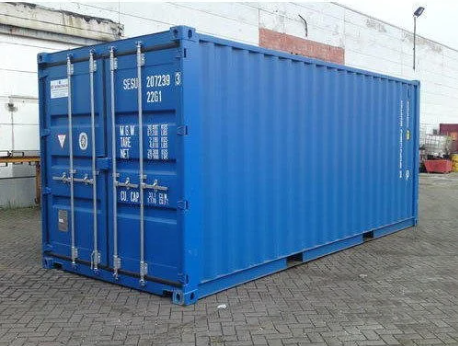
Shipping containers are widely used for storage, construction, commercial operations, and residential projects. While 20-foot and 40-foot containers may look similar at first glance, the differences between moving them are significant. Choosing the right container size-and understanding how it affects transportation—can save time, reduce costs, and prevent logistical challenges.
Whether you are planning a local container move, a job-site relocation, or a temporary storage setup, understanding how 20ft and 40ft container moves differ is essential. This guide breaks down what changes between the two and explains why those differences matter.
Understanding the Basics of 20ft and 40ft Containers
A standard 20-foot shipping container is approximately 20 feet long, 8 feet wide, and 8.5 feet tall. It is often used for smaller projects, limited storage needs, or locations with restricted space. These containers are commonly chosen for residential use, small construction jobs, or temporary storage.
A 40-foot shipping container is double the length—40 feet long, with the same width and height. This size is typically used for larger storage needs, commercial inventory, construction materials, or situations where maximizing capacity is important.
While the dimensions are the most obvious difference, the impact on transportation, handling, and cost goes far beyond size alone.
Weight Differences and Their Impact
One of the most important changes between 20ft and 40ft container moves is weight.
An empty 20ft container generally weighs around 5,000 pounds, while an empty 40ft container can weigh over 8,000 pounds. When loaded, the difference becomes even more significant. A fully loaded 40ft container can weigh nearly twice as much as a loaded 20ft container.
This weight difference affects:
The type of towing equipment required.
Fuel consumption.
Braking distance and handling.
Road and permit restrictions.
Heavier containers require more powerful trucks, reinforced trailers, and additional safety precautions. This is a major reason why 40ft container moves are often more expensive and require more planning.
Equipment Requirements Change Significantly
Moving a 20ft container usually requires less specialized equipment than moving a 40ft container. While both need heavy-duty towing setups, a 40ft container often demands:
Larger towing vehicles.
Extended or reinforced trailers.
Greater load-securing systems.
More space for loading and unloading.
The increased length of a 40ft container also affects turning radius and manoeuvrability. Tight corners, narrow roads, or confined job sites that can accommodate a 20ft container may not be suitable for a 40ft move without additional planning or adjustments.
Access and Site Conditions Matter More for 40ft Containers
Access conditions play a role in both types of container moves, but they become especially critical when moving a 40ft container.
A 20ft container can often be placed in residential driveways, smaller lots, or compact work sites. A 40ft container requires significantly more clearance for:
Entry and exit paths.
Turning and alignment.
Safe unloading and placement.
If the pickup or drop-off location has limited space, uneven terrain, or obstacles such as fences, trees, or buildings, a 40ft container move may require additional equipment or repositioning. These challenges can increase time on site and overall cost.
Transportation Costs and Pricing Differences
Cost is one of the main reasons people compare 20ft vs 40ft container moves.
In general, moving a 40ft container costs more than moving a 20ft container due to:
Increased weight and fuel usage.
Larger and more powerful equipment.
Additional labor time.
Higher permit and compliance requirements.
While a 40ft container provides double the storage space, the cost of transporting it is not simply double—it can be significantly higher depending on distance, route, and access conditions.
Understanding this helps avoid surprises when budgeting for container relocation.
Permits and Regulatory Considerations
Permitting requirements often differ between 20ft and 40ft container moves.
A 20ft container is less likely to trigger oversize or weight-based permit requirements, especially for short local moves. A 40ft container, however, is more likely to require permits due to its length, weight, or combined dimensions when loaded on a trailer.
Permits may dictate:
Approved travel routes.
Time-of-day restrictions.
Escort or safety requirements.
These factors add administrative time and cost, making planning even more important for 40ft container moves.
Loading, Unloading, and Placement Differences
Loading and unloading procedures also change based on container size.
A 20ft container is easier to lift, reposition, and place accurately. It may be handled with simpler lifting systems and requires less space for alignment.
A 40ft container requires more precise coordination. Its length makes balancing and placement more complex, especially if the container needs to be positioned in a specific orientation. Accurate placement often takes longer and may require additional adjustments to ensure the container sits level and accessible.
Improper placement of a 40ft container can create long-term issues, including difficulty accessing doors or interference with surrounding structures.
Flexibility vs Capacity: Choosing the Right Size
The decision between a 20ft and 40ft container often comes down to flexibility versus capacity.
A 20ft container offers:
Easier transport.
Greater placement flexibility.
Lower towing and handling costs.
Better suitability for tight or residential spaces.
A 40ft container offers:
Maximum storage capacity.
Fewer containers needed for large projects.
Efficiency for large-scale operations.
However, choosing a larger container than necessary can increase transportation challenges without providing meaningful benefits. Conversely, choosing a smaller container when more space is needed can lead to multiple moves, increasing overall costs.
Why These Differences Matter in Real-World Moves
The differences between 20ft and 40ft container moves directly affect safety, efficiency, and cost. Underestimating the challenges of moving a 40ft container can lead to delays, unexpected expenses, and logistical complications.
Planning with the container size in mind ensures:
Proper equipment selection.
Accurate cost estimates.
Compliance with regulations.
Smooth pickup and delivery.
Understanding these factors also helps set realistic expectations about timelines and site preparation requirements.
Planning Ahead Makes All the Difference
Regardless of container size, preparation is key. Confirming container dimensions, weight, access conditions, and destination requirements before scheduling a move helps prevent problems.
For 40ft containers especially, early planning allows time to address permits, route selection, and equipment needs. This reduces last-minute changes and helps keep the move on schedule.
Conclusion
The difference between moving a 20ft and a 40ft shipping container goes far beyond length. Weight, equipment requirements, access limitations, permits, and costs all change significantly as container size increases.
A 20ft container move offers greater flexibility and lower transportation demands, making it ideal for smaller projects and tight spaces. A 40ft container move provides increased capacity but requires more planning, stronger equipment, and higher costs.
Understanding these differences helps you choose the right container for your needs and ensures a smoother, safer, and more cost-effective move. With proper planning and awareness of what changes between 20ft and 40ft container moves, you can avoid unnecessary complications and make informed decisions that truly matter.