
How to Prepare a Shipping Container for Towing (Checklist for Customers)
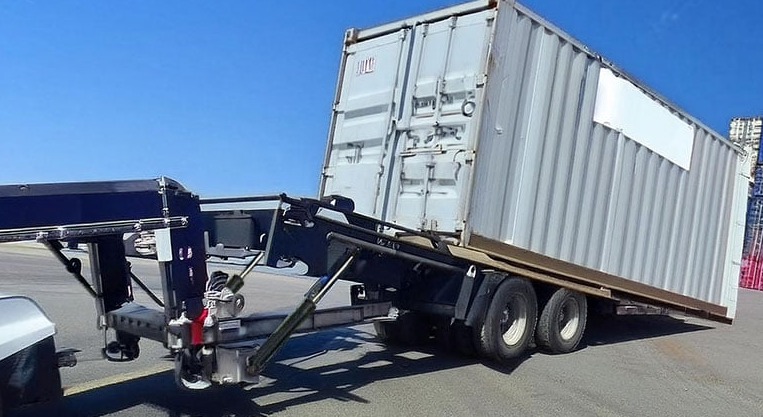
A Practical Checklist for Customers
Preparing a shipping container for towing is a critical step in ensuring a safe, efficient, and cost-effective move. Shipping containers are heavy, oversized structures, and even small oversights during preparation can lead to delays, safety risks, or unexpected costs. Whether the container is being moved for construction, storage, or commercial use, proper preparation helps towing professionals complete the job smoothly.
This guide provides a detailed checklist to help customers prepare a shipping container for towing. By following these steps, you can reduce complications, protect your container and property, and help ensure a successful transport.
Why Proper Preparation Matters
Shipping container towing is not the same as moving standard cargo. Containers are rigid, heavy, and require precise handling. If a container is not properly prepared, towing crews may encounter difficulties loading, securing, or transporting it safely.
Proper preparation helps:
Reduce loading and unloading time.
Prevent damage to the container and surrounding property.
Avoid delays caused by access or safety issues.
Ensure compliance with transportation regulations.
Keep towing costs predictable.
In addition, preparation helps protect nearby structures such as driveways, sidewalks, and landscaping from damage caused by heavy equipment. Well-prepared moves are safer for operators, property owners, and the surrounding environment.
Step 1: Confirm Container Size and Weight
Before scheduling towing services, confirm the container’s exact size and approximate weight. Most containers are either 20 feet or 40 feet long, but variations such as high-cube containers may have additional height.
If the container is loaded, estimate the total weight as accurately as possible. Weight affects:
Trailer type.
Permit requirements.
Route planning.
Providing incorrect size or weight information can lead to delays, rescheduling, or the need for additional equipment on towing day.
Step 2: Secure or Remove All Contents
If the container contains materials, equipment, or inventory, ensure everything inside is properly secured. Loose items can shift during transport, creating instability or damaging the container walls.
Before towing:
Secure items with straps, pallets, or blocking.
Remove fragile, perishable, or hazardous materials if possible.
Distribute weight evenly from front to back.
Even empty containers should be inspected to ensure no loose debris remains inside that could move during transport.
Step 3: Lock and Seal the Container
All container doors should be fully closed, aligned, and secured before towing. Doors that swing open or fail during transport pose serious safety hazards.
Check that:
Door hinges and locking bars are functional.
Doors close flush without obstruction.
Locks or seals are properly secured.
Using tamper-resistant or weather-resistant seals can provide additional protection, especially for long-distance moves or containers carrying valuable contents.
Step 4: Inspect the Container for Structural Issues
A visual inspection of the container helps identify issues that could affect safe handling. Look for:
Bent or damaged corner castings.
Severe rust or corrosion.
Structural cracks or frame damage.
Missing or damaged lifting points.
While minor cosmetic wear is common, structural issues should be reported in advance so appropriate precautions can be taken.
Step 5: Prepare the Pickup Area
The pickup area must be accessible for heavy-duty towing vehicles. Limited space or unstable ground can slow down the process and increase risk.
Before pickup:
Clear vehicles, equipment, and debris.
Remove low-hanging branches or temporary barriers.
Ensure the ground is firm and level.
Soft soil, sand, or sloped terrain should be communicated in advance so suitable equipment can be arranged.
Step 6: Confirm Access Routes
Towing equipment requires sufficient clearance to enter and exit the site safely.
Confirm that:
Roads and driveways are wide enough.
There are no overhead obstructions.
Turning areas are adequate for long trailers.
Restricted access routes may require alternative approaches or additional planning.
Step 7: Verify Placement Area at the Destination
The delivery location should be prepared ahead of time to avoid delays.
Ensure the area:
Is clear and stable.
Allows enough room for unloading.
Matches the intended orientation of the container.
Marking the placement area can help achieve accurate positioning on the first attempt.
Step 8: Check Permit and Regulatory Requirements
Oversized or heavy container moves may require permits depending on the route and container specifications. Early identification of permit needs helps avoid schedule disruptions.
Understanding local regulations also helps ensure compliance and prevents fines or forced rerouting during transport.
Step 9: Schedule with Flexibility
Flexible scheduling helps accommodate weather conditions, traffic, and equipment availability. Avoiding last-minute changes reduces stress and improves efficiency.
Allow extra time for complex moves, especially when permits or special equipment are involved.
Step 10: Communicate Clearly with the Towing Provider
Clear communication ensures all parties understand expectations and requirements. Share details about access limitations, site conditions, and placement preferences in advance.
Providing photos or diagrams of the pickup and delivery sites can further improve planning and accuracy.
Final Pre-Towing Checklist Summary
Before towing day, confirm that:
Container size and weight are verified.
Contents are secured or removed.
Doors are locked and sealed.
The container is structurally sound.
Pickup and delivery areas are accessible.
Access routes are clear.
Permits and scheduling are confirmed.
Conclusion
Preparing a shipping container for towing is an essential part of ensuring a safe and efficient move. Careful preparation reduces risks, minimizes delays, and helps control costs. From securing contents and inspecting structural integrity to clearing access routes and confirming placement areas, each step plays a vital role in the towing process.
By following this checklist and planning ahead, customers can avoid common problems and ensure their shipping container is ready for transport. Proper preparation leads to smoother operations, improved safety, and a successful container towing experience.