
How Much Does Shipping Container Towing Cost in Oahu?
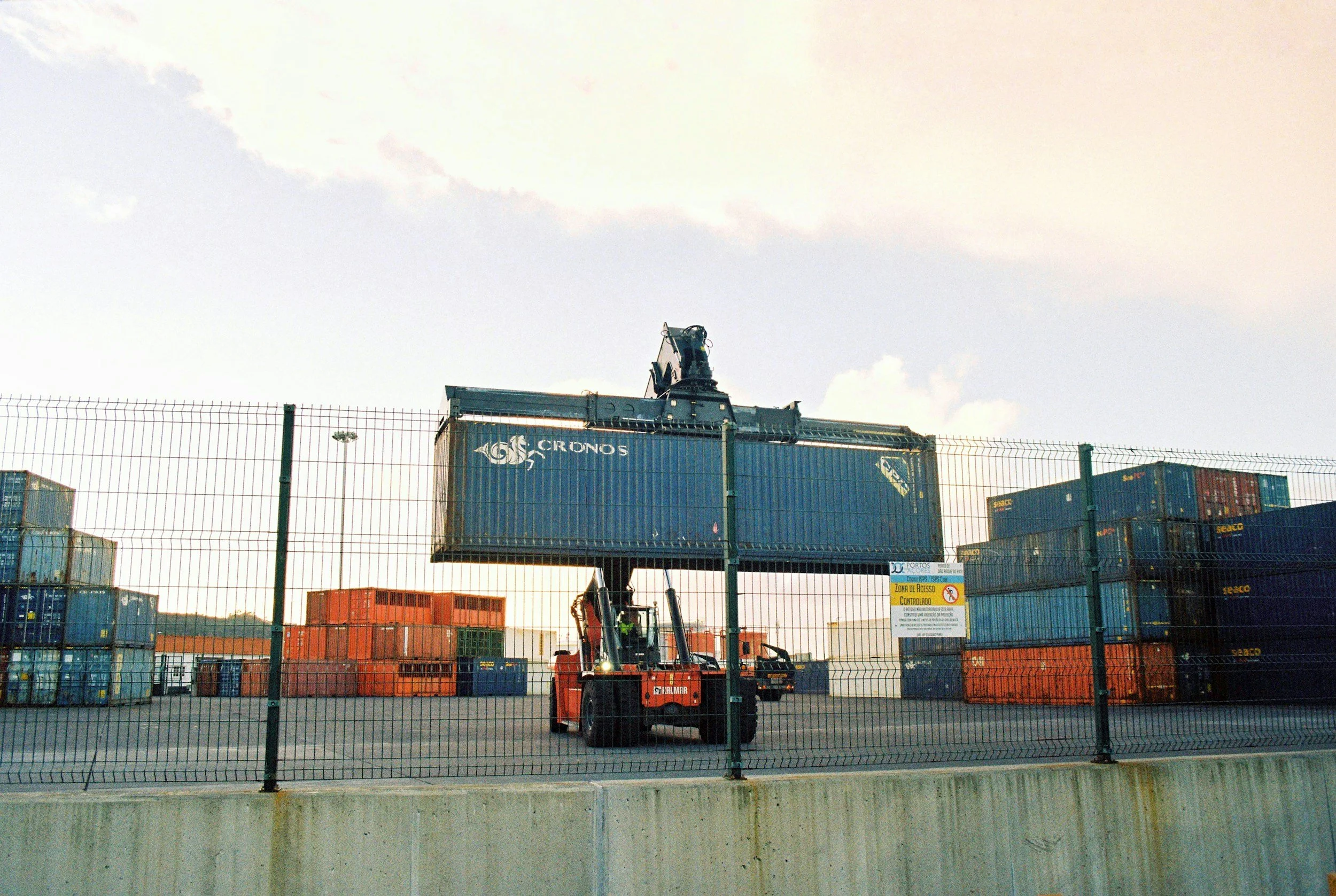
Shipping container towing in Oahu is a specialized service that requires professional equipment, skilled operators, and careful coordination. Unlike standard vehicle towing, moving a shipping container involves handling heavy, oversized loads that must be transported safely across island roads while complying with local regulations. These containers are commonly used for construction projects, commercial storage, residential renovations, and temporary work sites.
If you are planning to move a shipping container on Oahu, understanding the factors that influence towing costs can help you budget accurately and avoid unexpected expenses. Shipping container towing costs are not fixed and can vary widely depending on the specifics of the job. This guide explains what affects pricing, what to expect when requesting service, and how proper planning can help manage overall costs.
What Is Shipping Container Towing?
Shipping container towing refers to the transportation of large steel containers, typically 20-foot or 40-foot units, from one location to another within Oahu. These containers may be empty or loaded and are often used for storing equipment, building materials, or business inventory.
Because of their size and weight, containers cannot be moved with standard towing equipment. Heavy-duty trucks, reinforced trailers, and professional securing systems are required to ensure safe transport. Operators must account for weight distribution, road conditions, turning clearance, and safe loading and unloading practices.
Improper handling of a shipping container can result in damage to the container, nearby property, or public infrastructure. For this reason, container towing is best handled by experienced professionals familiar with oversized load transport on Oahu.
Average Shipping Container Towing Costs in Oahu
There is no single standard price for shipping container towing in Oahu. Costs are determined on a case-by-case basis, depending on the details of the move. Generally, jobs involving short distances, smaller containers, and easy access tend to be more affordable, while long-distance moves or complex setups increase the total cost.
Most container towing services use a pricing structure that includes a base service fee combined with additional charges for mileage, labor time, equipment usage, and any required permits. Because island terrain and road layouts can vary significantly, pricing often reflects the time and effort required rather than distance alone.
Key Factors That Influence Shipping Container Towing Costs
Distance and Travel Route
Distance is one of the primary cost drivers. Moving a container a short distance within the same area usually costs less than transporting it across the island. Longer trips require more fuel, more labor hours, and additional planning.
Route conditions are equally important. Roads with sharp turns, narrow lanes, steep grades, or weight restrictions may require alternate routes or slower travel speeds. Congested areas and urban traffic can also increase the time required to complete the job, which can raise overall costs.
Container Size, Type, and Weight
Shipping containers are most commonly available in 20-foot and 40-foot sizes. A 40-foot container weighs significantly more and takes up more road space than a 20-foot container, requiring heavier equipment and additional precautions.
High-cube or specialty containers may also affect pricing due to their height or nonstandard dimensions. If a container is loaded with materials, equipment, or inventory, the added weight further increases towing complexity and cost. Accurate weight estimates are critical for selecting the correct towing setup and avoiding delays.
Pickup and Drop-Off Accessibility
Access conditions at both the pickup and delivery locations play a major role in pricing. Containers located in open areas with level ground and clear access are easier to load and unload.
If the container is placed in a tight space, behind structures, on uneven terrain, or in a location with limited clearance, additional labor and equipment may be needed. Difficult access increases setup time and may require repositioning, which adds to the total cost.
Loading, Unloading, and Placement Requirements
Some containers are already placed on trailers and ready for transport, while others require lifting or repositioning before towing. In these situations, specialized equipment such as cranes or side loaders may be necessary.
Precise placement at the destination is also a consideration. Containers used for storage or construction often need to be positioned carefully to ensure proper alignment and accessibility. Accurate placement may take additional time but helps prevent future relocation costs.
Permits and Compliance Requirements
Oversized and heavy loads often require permits when traveling on public roads. Permit requirements depend on container dimensions, total weight, and the planned travel route.
Obtaining permits involves administrative coordination and compliance with local transportation regulations. Permit fees and processing time are typically factored into the overall cost of container towing. Failure to obtain proper permits can result in delays, fines, or service interruptions.
Scheduling and Service Timing
The timing of the towing service can also affect pricing. Same-day or emergency container moves often cost more due to scheduling challenges and limited availability of equipment and personnel.
After-hours, weekend, or holiday service may also carry higher rates. Planning ahead and scheduling the move during standard business hours can help reduce costs and improve availability.
Common Reasons for Shipping Container Towing in Oahu
Shipping container towing is commonly needed for a variety of residential and commercial applications. Construction companies frequently relocate containers filled with tools and building materials between job sites. Businesses may move containers used for temporary storage or seasonal inventory. Homeowners often use containers during renovations or property cleanouts, requiring relocation once the project is complete.
In all of these cases, professional towing ensures containers are transported safely without damaging driveways, landscaping, or surrounding structures. Attempting to move a container without proper equipment can lead to costly repairs, safety hazards, and delays.
Preparing for Shipping Container Towing
Proper preparation can help reduce costs and ensure a smooth towing process. Clearing access points, removing obstacles, and confirming ground stability at both locations can minimize delays. Providing accurate container measurements, weight estimates, and site details allows towing professionals to plan effectively and select the right equipment.
Advance planning also helps identify potential challenges, such as permit requirements or difficult access points, before the move begins. This reduces the risk of unexpected charges and last-minute adjustments.
How to Request an Accurate Quote
To receive a reliable estimate, it is important to share complete and accurate information. This includes the container’s size, weight, pickup location, destination, and any known access challenges.
Clear communication helps towing providers assess the scope of work, estimate labor and equipment needs, and determine compliance requirements. Accurate quotes are based on preparation and transparency, which benefit both parties.
Conclusion
Shipping container towing costs in Oahu depend on a wide range of factors, including distance, container size and weight, access conditions, equipment requirements, permits, and scheduling. Because each job presents unique challenges, pricing is typically customized rather than fixed.
Understanding these cost factors allows you to plan effectively, avoid unnecessary expenses, and ensure safe transport. Preparing both locations, providing accurate information, and scheduling services in advance can help control costs and prevent delays.
With proper planning and professional handling, shipping container towing in Oahu can be completed efficiently, safely, and without unnecessary complications, making it a reliable solution for residential, commercial, and construction-related needs.