
How to Get the Best Rate on Flatbed Towing in Honolulu
Introduction
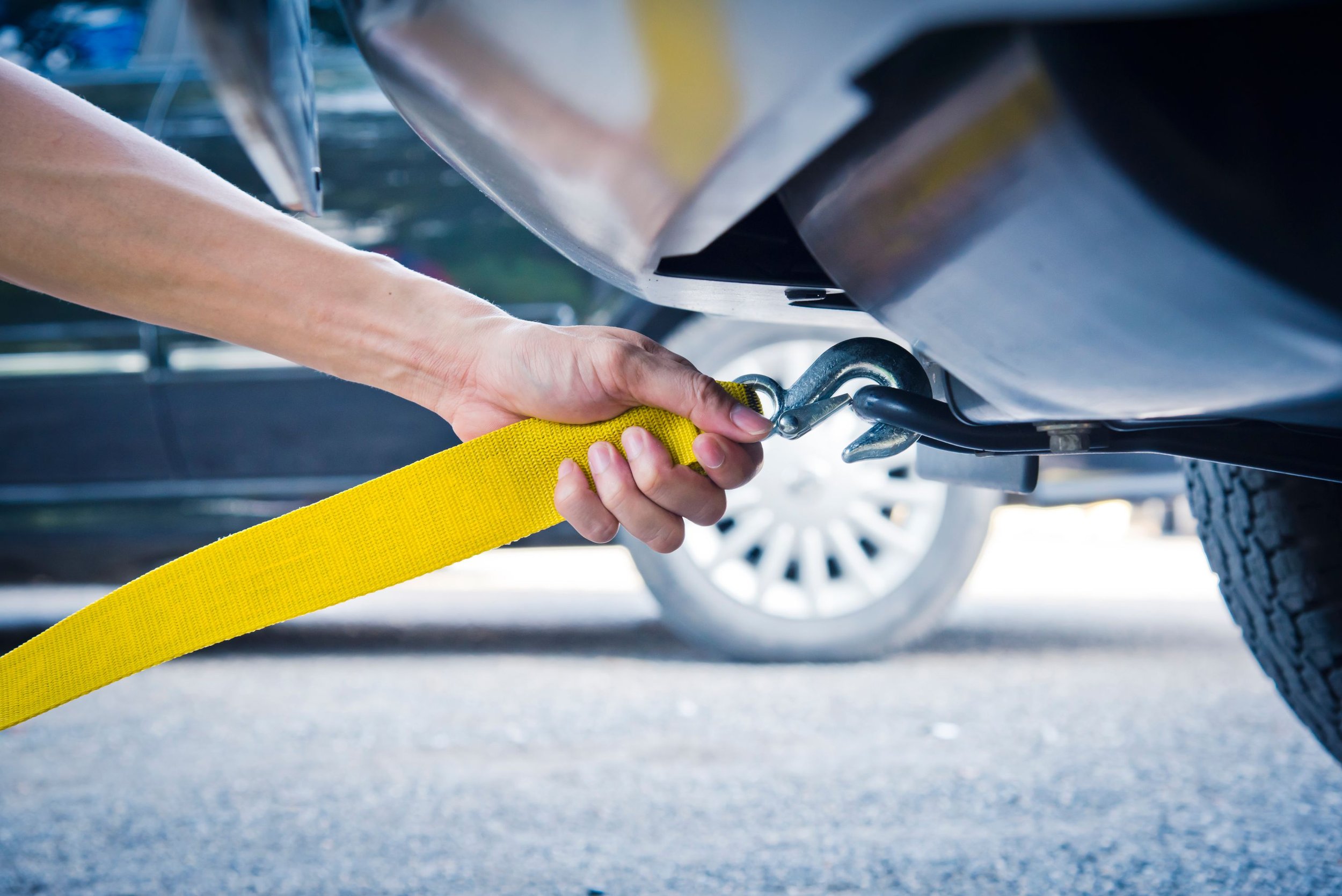
Towing doesn’t have to be stressful—or expensive. Honolulu drivers face unique challenges when it comes to towing rates due to island traffic, limited routes, higher fuel prices, and the need for specialized flatbed equipment. Still, with the right preparation and knowledge, you can secure an affordable towing Honolulu rate without sacrificing safety or quality.
Flatbed towing is the safest method for most vehicles, especially AWD models, luxury cars, low-clearance vehicles, and any car that’s been in an accident. While flatbed towing usually costs slightly more than traditional wheel-lift towing, the price difference is often worth it to avoid damage, unexpected repairs, or additional costs later. And the good news is that drivers can still reduce their towing bill by planning ahead, asking the right questions, and understanding which situations allow for cheaper alternatives.
This guide explains how to avoid hidden fees, what questions to ask before booking, and when wheel-lift towing may be the more affordable option.
Avoid Hidden Fees
Many Honolulu drivers are surprised when their final towing bill is higher than expected—not because the tow company overcharged, but because the customer wasn’t informed about additional fees that apply to certain situations. Knowing how to spot hidden fees helps you choose an affordable towing Honolulu provider and avoid unpleasant surprises.
Here are the most common fees you should watch out for:
After-Hours or Emergency Fees
Tow companies may charge extra for services outside standard business hours. These fees can apply:
After 9 or 10 PM
Before 6 AM
On weekends
On holidays
During severe weather
These charges compensate for overtime labor, urgency, and increased nighttime safety precautions.
Mileage Beyond the Base Radius
While many towing companies include a set number of miles in their base fee, they may charge per-mile fees after that. These charges are common for:
Cross-island towing
Long-distance tows from North Shore or West Oahu
Transport to Honolulu Harbor
Always confirm how many miles are included before booking.
Difficult Recovery Fees
If the vehicle cannot be accessed easily, you may see recovery-related add-ons:
Vehicle stuck in mud or gravel
Car blocked in a tight garage
Wheels turned or locked
Vehicle in a ditch or on an incline
Recovery fees may cover additional labor, special equipment, or winching techniques.
Hook-Up and Winch Fees
Flatbeds often require winching when:
The car won’t start
The transmission is stuck
Wheels do not roll
The vehicle is heavily damaged
The winch load fee may be separate from the base rate, depending on the towing provider.
Storage Fees
If your vehicle is taken to a tow yard and not immediately picked up, storage fees may apply. Honolulu storage rates can increase daily, so knowing the process ahead of time saves money.
Destination-Based Fees
Some locations—such as parking structures, military bases, or harbors—may have access restrictions that require:
Special equipment
Gate access
Additional labor
Before confirming service, ask the towing company whether your pickup location requires any extra charges.
Avoiding Hidden Fees Is Simple If You Ask Early
A reputable towing provider will be upfront about all fees and clearly outline the total cost before dispatching the truck. Make sure you request a breakdown of:
Base fee
Mileage
Recovery charges
After-hours fees
Winching
Taxes
This transparency helps you secure the most affordable towing Honolulu estimate possible.
Ask the Right Questions
When booking a tow, many drivers simply call and ask, “How much for a flatbed tow?” But towing costs depend heavily on details such as distance, vehicle condition, time of day, and location. To ensure you get the best rate and avoid hidden costs, you need to ask the right questions.
Below are the key questions that help you secure a fair price:
1. What is the total cost including all fees?
This ensures the tow company gives you a comprehensive quote instead of just the base fee. A reputable provider will include:
Base rate
Mileage
Winching or special handling
Fuel surcharge
After-hours charges
2. How many miles are included in the base fee?
Different companies include different mileage amounts:
Some include 5 miles
Some include 10 miles
Some charge from the first mile
Knowing this upfront avoids surprise additions.
3. Do you charge extra for winching or special recovery?
If your car doesn’t start, is stuck, or has damage, ask whether:
Winching fees
Recovery charges
Labor fees
will apply. These can be unavoidable, but asking ensures transparency.
4. Are there additional costs for my location?
Depending on where your vehicle is located, fees may differ. Ask specifically if there are charges for:
Parking garages
Gated communities
Military bases
Airport pickups
Honolulu Harbor
5. Do you offer flat rates for long-distance towing?
A flat long-distance rate can sometimes be cheaper than paying per mile.
6. Do you provide any discounts?
Many towing companies offer discounts for:
Military
Seniors
Students
AAA members
Multiple-vehicle tows
Repeat customers
7. What kind of tow truck will you send?
Ask whether they will send a:
Flatbed tow truck
Wheel-lift tow truck
Heavy-duty tow
This helps ensure you’re not charged for equipment you don’t need.
8. How long will it take to arrive?
Fast response times matter, especially in busy areas like:
Waikīkī
Ala Moana
Downtown
Kalihi
Pearl City
Kapolei
The longer the wait, the more urgent your need—and the more likely after-hours fees will apply.
9. Are your rates guaranteed once I book?
Some companies raise prices once the driver arrives. Confirm that the quote is locked in.
Using these questions helps you choose the most affordable towing Honolulu service while maintaining safety and professionalism.
When Wheel-Lift Is Cheaper
While flatbed towing is the safest and most recommended method—especially for AWD vehicles, luxury cars, electric cars, and accident-damaged vehicles—there are situations where wheel-lift towing is cheaper and perfectly acceptable.
Wheel-lift towing typically costs less because it:
Uses simpler equipment
Requires less loading time
Requires fewer safety adjustments
Burns less fuel
If your vehicle qualifies for wheel-lift towing, you may significantly reduce your towing bill.
When Wheel-Lift Towing Is a Practical Option
Wheel-lift towing is cheaper and may be acceptable when:
The car is lightweight
The car has no drivetrain damage
The vehicle is a standard sedan, compact, or older model
The wheels and suspension are undamaged
The car is NOT AWD, 4WD, electric, or low-clearance
The tow distance is short
The destination is nearby (5–10 miles)
You’re on a strict budget and safety risk is low
Wheel-lift towing works best when the car is in reasonably good condition and the tow is local.
When Flatbed Is Worth the Cost
Even if wheel-lift towing is cheaper, flatbed towing is a better option when:
The vehicle is AWD or 4WD
The car is low-profile or lowered
The car has expensive wheels or body kits
The car is electric (Tesla, Leaf, etc.)
The suspension is damaged
The car was in an accident
The car cannot shift into neutral
The vehicle cannot roll
Choosing a wheel-lift tow in these situations can lead to:
Drivetrain damage
Alignment problems
Scraping or bumper damage
Electrical issues (EVs/hybrids)
Broken components
Trying to save money can lead to bigger repair bills later. When in doubt, flatbed towing offers better long-term value.
Final Thoughts
Finding affordable towing Honolulu doesn’t mean compromising on safety or quality. By avoiding hidden fees, asking the right questions, and understanding when wheel-lift towing is an acceptable alternative, Honolulu drivers can save money while still getting reliable transport.
Flatbed towing remains the safest, most secure method—especially for high-value, damaged, or AWD vehicles—but knowing your options empowers you to choose wisely in any situation. With transparent pricing, proper preparation, and a trusted towing provider, you’ll always get the best rate and the best service.
Call Discount Towing in Honolulu for fast, damage-free towing anywhere on Oahu.