
Is Flatbed Towing Safer for All-Wheel Drive & Luxury Vehicles? A Complete Guide for Honolulu Drivers
Introduction
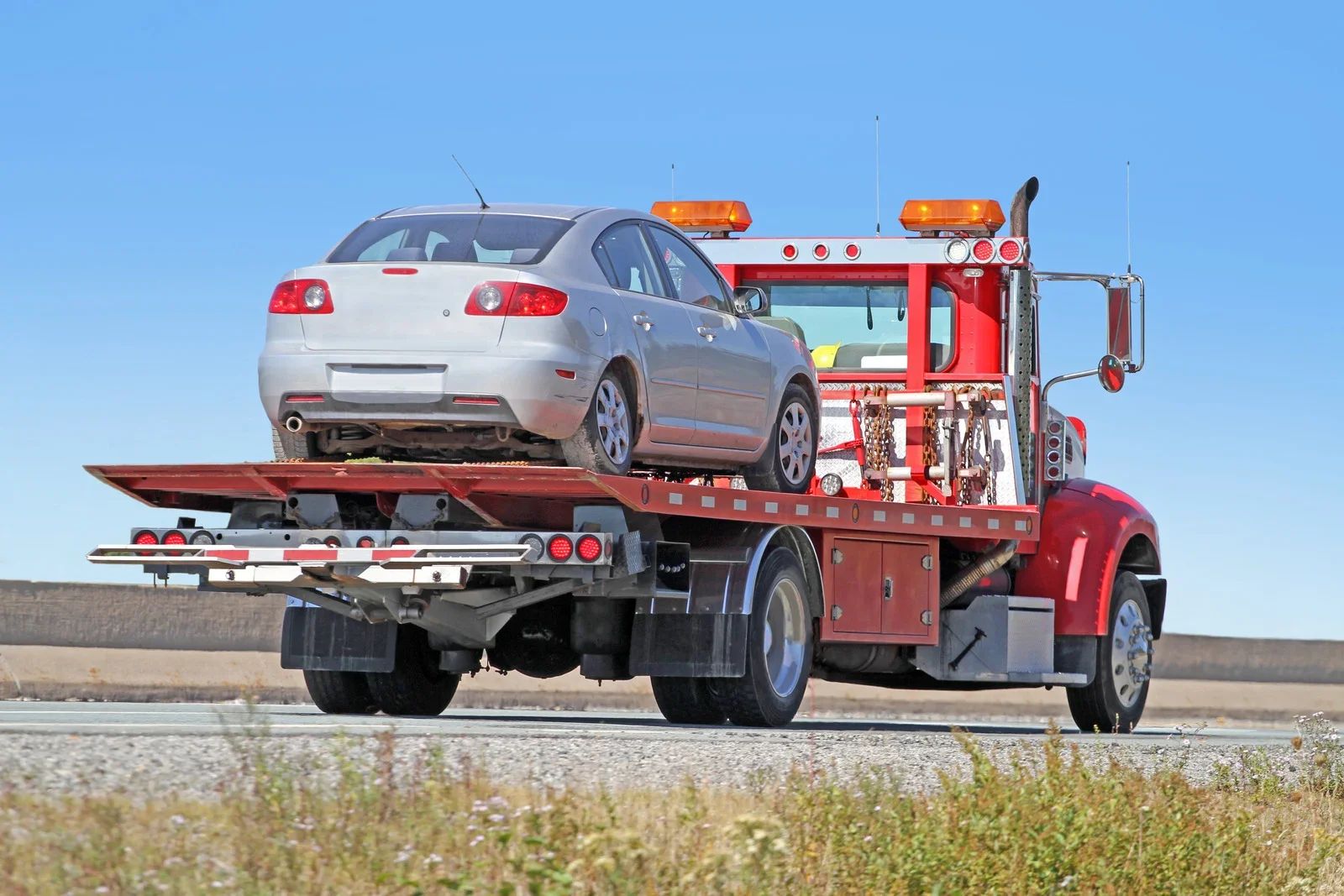
Modern vehicles are more advanced than ever, especially when it comes to all-wheel-drive systems and high-end luxury engineering. While these features offer incredible performance, traction, and comfort, they also require specialized towing methods to avoid damage. If you drive an AWD vehicle, 4x4 truck, electric car, luxury sedan, or sports car in Honolulu, understanding the safest towing method is crucial.
For many drivers, the go-to option is AWD flatbed towing—and for good reason. A flatbed tow truck lifts the entire vehicle completely off the ground, preventing stress on the drivetrain, suspension, and body. In contrast, wheel-lift towing leaves two wheels rolling on the pavement, which can cause major issues for AWD and luxury models.
This guide explains why flatbed towing is safer, when it’s required, and how Honolulu’s unique roads make flatbed towing even more important for high-value vehicles.
What Makes AWD Vehicles Different?
All-wheel-drive vehicles distribute power to all four wheels simultaneously. This allows better traction on wet roads, hills, and uneven terrain—conditions common in Honolulu’s unpredictable weather and hilly neighborhoods.
But that same system makes AWD vehicles vulnerable during improper towing.
How AWD Systems Work
Power flows through the transmission to the transfer case
The transfer case distributes power to both front and rear differentials
The differentials split power to left and right wheels
Everything must rotate together, in sync. When the system is thrown out of balance, damage happens fast—and towing is a major risk factor when not done correctly.
Why AWD Vehicles Should NOT Be Wheel-Lift Towed
A wheel-lift tow truck lifts either the front two or rear two wheels off the ground, leaving the other pair rolling. For AWD vehicles, this is a problem because:
1. Drivetrain Binding
When some wheels spin and others don’t, the drivetrain becomes forced into a state it was never designed for. This creates heavy internal friction known as “binding.”
This can destroy:
The transfer case
Front and rear differentials
Transmission gears
Even a short wheel-lift tow can cause irreversible internal grinding.
2. Transfer Case Overheating
AWD vehicles rely on the transfer case to distribute power evenly between the front and rear wheels. When the wheels turn unevenly during wheel-lift towing, the internal gears experience extreme friction and heat. This can quickly lead to internal wear or complete failure of the transfer case, making flatbed towing the safer and recommended method.
3. Transmission Damage
Most AWD transmissions are not designed to rotate unless powered by the engine. Being spun by the road during a tow can cause gear damage, metal shavings, and full transmission failure.
4. Manufacturer Restrictions
Nearly all AWD vehicle manufacturers, including:
Subaru
Honda
Toyota
Audi
BMW
Mercedes
Tesla
Jeep
specifically state that AWD vehicles must be transported on a flatbed. Ignoring this can void your warranty and result in expensive repairs.
How AWD Flatbed Towing Prevents Damage
Flatbed towing solves every problem associated with wheel-lift towing because:
All four wheels are lifted off the ground
No components internally rotate
No drivetrain stress occurs
No friction or heat builds up
The vehicle travels level and stable
The entire car sits securely on a platform, held in place with tie-down straps. This keeps your AWD system safe no matter how far the tow is or what the road conditions are like.
For AWD owners living in Honolulu — where steep hills, tight streets, and sudden rainstorms are common — flatbed towing offers unmatched peace of mind.
Why Luxury Vehicles Require Flatbed Towing
AWD isn’t the only reason to choose a flatbed. Many Honolulu residents drive high-value luxury cars that need extra protection during towing.
This includes:
Tesla
Mercedes-Benz
BMW
Porsche
Lexus
Audi
Maserati
Range Rover
Corvette
Jaguar
Luxury vehicles combine advanced technology with low-clearance aerodynamic designs. Both make wheel-lift towing risky.
1. Low Ground Clearance and Long Front Bumpers
Many luxury vehicles sit extremely low to the ground. Wheel-lift towing can cause:
Bumper scraping
Undercarriage damage
Exhaust or diffuser damage
Scratched paint
Bent suspension components
Honolulu’s sloped driveways (like in St. Louis Heights or Kaimukī) and uneven roads make scraping even more likely.
Flatbeds prevent all of this by using a long, gentle ramp.
2. Sensitive Electronics and Sensor Systems
Modern luxury vehicles are packed with technology:
Parking sensors
Radar modules
360° cameras
Adaptive cruise sensors
Battery management systems (EVs and hybrids)
Wheel-lift towing can cause:
Electrical shorting
Module misalignment
Sensor calibration errors
Flatbed towing keeps the vehicle level and prevents jarring movements that can disturb sensitive systems.
3. Specialty Tires and Performance Suspensions
Luxury and performance vehicles usually have:
Low-profile tires
Wide wheels
Sport-tuned suspension
Stiff shocks and springs
Wheel-lift towing places uneven pressure on these components. A flatbed keeps everything in a neutral, safe position.
4. EVs (like Teslas) Must Always Be Flatbed Towed
Electric vehicles cannot be wheel-lifted because:
Motors can be damaged if wheels spin while unpowered
Regenerative braking systems can overload
Battery packs can be stressed on uneven tows
Flatbed towing is the only method approved by Tesla and most EV manufacturers.
Honolulu’s Roads Make Flatbed Towing Even More Important
Not all cities are the same — and Honolulu’s terrain adds unique challenges.
Steep Neighborhoods
Areas like:
St. Louis Heights
Pacific Heights
Mānoa
Wilhelmina Rise
have steep inclines that can cause wheel-lifted vehicles to drag or scrape. Flatbeds avoid this completely.
Narrow Streets
Neighborhoods like:
Chinatown
Palolo
Kalihi
Kakaʻako
are full of tight corners and tight garage entrances. Wheel-lift towing can be risky here, especially for luxury cars.
Unpredictable Weather
Flash floods on:
Nimitz Highway
Mapunapuna
Kakaʻako
can leave vehicles water-damaged. Flatbeds protect them from further contamination.
Highway Conditions
The H-1, H-2, and H-3 have:
Sharp curves
Sudden braking areas
High wind sections
Flatbed towing offers much more stability for AWD and luxury vehicles during long-distance highway travel.
When to Request AWD Flatbed Towing
Flatbed towing is always the safest option when:
Your vehicle is AWD or 4WD
Your vehicle is luxury, exotic, or high-end
You drive a Tesla, EV, or hybrid
Your car sits low to the ground
Your vehicle is stuck in park or cannot roll
Your tires or wheels are damaged
You were in an accident
Your vehicle is severely damaged
If you’re ever unsure which tow is best, always request a flatbed for maximum protection.
Conclusion: Flatbed Towing Offers Maximum Safety for AWD & Luxury Vehicles
In Honolulu’s unique environment — steep hills, narrow roads, and high-value vehicles — AWD flatbed towing is the safest and most reliable method. Wheel-lift towing may be fast and efficient for some vehicles, but for AWD systems and luxury models, it can cause expensive damage.
Choosing a flatbed tow protects your drivetrain, electronics, suspension, and body. It ensures your vehicle arrives safely, without additional risk.
Need Safe AWD or Luxury Vehicle Towing in Honolulu?
Call Discount Towing Today!
We offer 24/7 flatbed towing across Oahu, specializing in AWD vehicles, luxury models, electric cars, and accident-damaged vehicles.
Fast. Safe. Professional. Your vehicle deserves the best — and we deliver it.