
Shipping Container Moving for Construction Sites in Honolulu
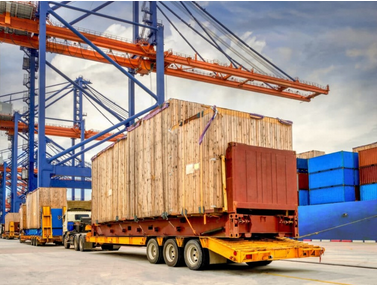
Shipping containers have become an essential part of construction operations in Honolulu. They are widely used to store tools, materials, equipment, and supplies directly on job sites. Containers offer security, durability, and flexibility, making them a practical solution for both short-term and long-term construction projects.
However, moving shipping containers on construction sites in Honolulu presents unique challenges. From limited space and urban traffic to permit requirements and site access issues, container relocation requires careful planning and professional handling. This guide explores how shipping container moving works for construction sites in Honolulu and what contractors should consider to ensure safe and efficient operations.
Why Construction Sites Use Shipping Containers
Construction sites rely on shipping containers for a variety of reasons. One of the primary benefits is secure on-site storage. Containers provide a lockable, weather-resistant space that protects valuable tools and materials from theft, vandalism, and environmental exposure.
Containers also help improve job site organization. Instead of transporting materials daily, contractors can store supplies directly on-site, reducing downtime and increasing productivity. For larger projects, multiple containers may be used for different purposes, such as tool storage, material staging, or temporary offices.
Because construction projects evolve, containers often need to be repositioned or relocated as work progresses. This makes professional container moving services an important part of site logistics.
Unique Challenges of Container Moving in Honolulu
Moving shipping containers in Honolulu comes with challenges that are different from those in less urban or mainland environments. The city’s dense layout, traffic conditions, and regulatory requirements all influence how container moves are planned and executed.
Urban construction sites often have limited space for maneuvering large equipment. Narrow streets, tight entry points, and nearby structures can restrict access, requiring precise planning and specialized equipment. Traffic congestion can also affect scheduling, particularly when container moves involve public roads.
Honolulu’s coastal environment adds another consideration. Ground conditions, weather patterns, and corrosion risks must be accounted for when moving heavy containers on active job sites.
Planning Container Moves on Construction Sites
Effective planning is the foundation of safe and efficient container moving. Before scheduling a move, contractors should evaluate the current location of the container, the destination within or outside the site, and the route between them.
Key planning considerations include container size and weight, access conditions, and ground stability. Loaded containers, in particular, require accurate weight estimates to ensure proper equipment selection. Identifying potential obstacles such as overhead lines, fencing, or uneven terrain helps prevent delays on moving day.
Planning also involves coordinating the move with construction schedules. Container relocation should be timed to minimize disruption to ongoing work and ensure safe working conditions for crews.
Equipment Used for Construction Site Container Moves
Shipping containers moving on construction sites typically require heavy-duty equipment designed to handle large, rigid loads. The type of equipment used depends on container size, weight, and site conditions.
Flatbed trailers are commonly used when containers can be lifted with cranes or forklifts. For sites without lifting equipment, specialized trailers with tilting decks may be used to load containers from ground level. In tight urban environments, side-loading equipment may be necessary to position containers precisely.
The towing vehicle must be capable of handling the container’s weight while maintaining stability on Honolulu’s roads. Proper securement systems are essential to prevent movement during transport.
Managing Access and Site Conditions
Access management is a critical part of container moving on construction sites. Entry and exit points must be wide enough for towing equipment and trailers. Turning radius, clearance, and ground strength all affect whether a container can be moved safely.
Construction sites often change over time, with new structures, materials, or equipment altering access routes. Reassessing site conditions before each move helps identify new challenges that may not have existed during initial container placement.
Ground conditions are especially important. Soft soil, sand, or recently disturbed areas may require reinforcement to support heavy equipment during loading and unloading.
Safety Considerations on Active Job Sites
Safety is a top priority when moving shipping containers on active construction sites. Container moves involve heavy machinery, elevated loads, and multiple workers, all of which increase risk if not managed properly.
Establishing clear safety zones around the container during lifting and transport helps protect workers from potential hazards. Coordinating with site supervisors ensures that personnel are aware of the move and can adjust workflows accordingly.
Weather conditions should also be monitored closely. Rain can affect ground stability and traction, while high winds may impact lifting operations.
Permits and Regulatory Requirements in Honolulu
Depending on container size, weight, and route, permits may be required for moving shipping containers on public roads in Honolulu. These permits help ensure that oversized or heavy loads are transported safely and in compliance with local regulations.
Permit requirements may include route restrictions, time-of-day limitations, or coordination with traffic management authorities. Failing to secure necessary permits can result in delays, fines, or forced rescheduling.
Understanding regulatory requirements early in the planning process helps avoid disruptions and ensures compliance throughout the move.
Moving Containers as Projects Progress
Construction projects are dynamic, and container needs often change as work advances. Containers may need to be repositioned to make room for new structures, relocated to different areas of the site, or removed entirely when no longer needed.
Planning for these changes helps maintain efficiency. Scheduling container moves at logical project milestones reduces interference with construction activities and keeps the site organized.
Having a clear plan for container relocation also helps manage costs by avoiding emergency moves or last-minute adjustments.
Common Mistakes to Avoid on Construction Sites
One common mistake is attempting to move containers without reassessing site conditions. Access routes that worked earlier in the project may no longer be viable later on.
Another issue is underestimating the weight of loaded containers. Tools, materials, and equipment can add significant weight, requiring stronger equipment and additional safety measures.
Poor communication between contractors, site managers, and moving crews can also lead to delays or safety concerns. Clear coordination is essential for smooth container moves.
Coordinating Container Moves With Multiple Trades
On active construction sites in Honolulu, multiple trades often work simultaneously, making coordination essential when moving shipping containers. Electricians, plumbers, concrete crews, and equipment operators all rely on clear access paths and designated staging areas. Moving a container without proper coordination can disrupt workflows, create safety risks, and delay critical tasks.
Advance communication with site supervisors and trade leads helps ensure container moves are scheduled during low-impact periods. This may include moving containers early in the morning, between major construction phases, or during planned downtime. Establishing clear timelines and safety zones allows crews to adjust their activities while the move is underway.
Reducing Disruptions Through Strategic Planning
Effective coordination also helps prevent repeated container moves. By anticipating future phases of construction, containers can be placed in locations that remain accessible and functional for longer periods, reducing the need for frequent relocation. This proactive approach improves overall efficiency and minimizes congestion across the site.
Strategic planning turns container moving from a disruptive task into a seamless part of construction site operations. When container placement aligns with project timelines and trade requirements, productivity improves and projects are more likely to stay on schedule.
Conclusion
Shipping container moving is a critical component of construction site logistics in Honolulu. Containers provide valuable storage and operational support, but relocating them requires careful planning, proper equipment, and attention to safety and regulatory requirements.
Honolulu’s urban environment, traffic conditions, and site constraints make professional container moving especially important. By planning ahead, managing access conditions, and coordinating with construction schedules, contractors can move containers safely and efficiently as projects evolve.
With the right approach, shipping container moving supports smoother operations, better site organization, and successful construction outcomes throughout Honolulu.