
What Equipment Is Used for Shipping Container Towing? (Flatbeds, Landolls, and More)
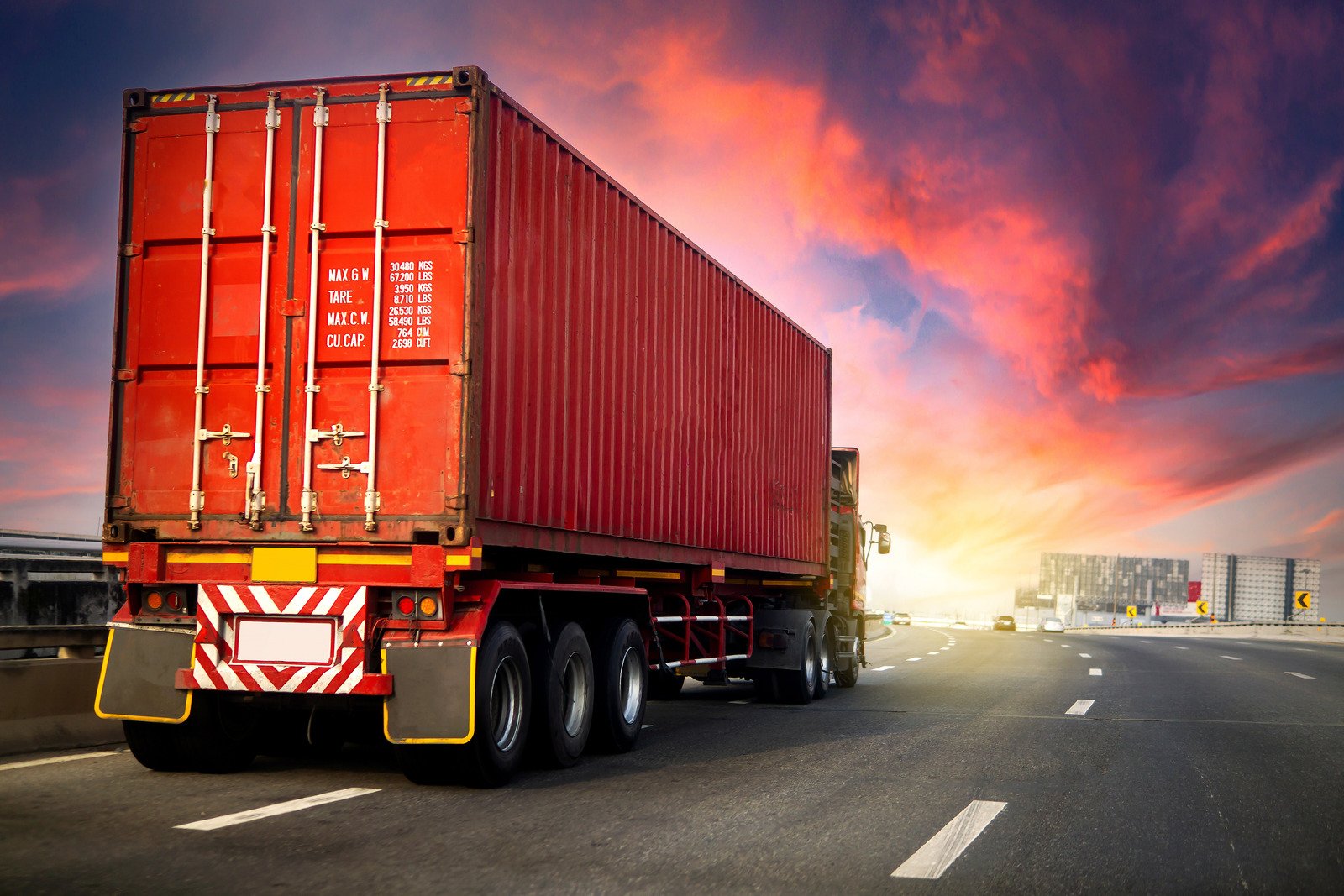
Shipping container towing is a highly specialized service that requires the right combination of equipment, experience, and planning. Shipping containers are large, heavy, and rigid structures, and moving them safely is very different from towing standard vehicles or hauling loose cargo. The equipment used for container towing plays a critical role in ensuring stability, safety, and efficiency throughout the transport process.
Understanding the types of equipment involved can help customers better prepare for a container move and set realistic expectations about access requirements, costs, and timelines. This guide explains the most common equipment used in shipping container towing, how each option works, and why choosing the right setup matters.
Why Specialized Equipment Is Required
Shipping containers are designed to be moved using standardized lifting and securing points, known as corner castings. Even an empty container weighs several thousand pounds, and loaded containers can weigh significantly more. Their rigid steel construction means they cannot flex or be adjusted easily during transport.
Because of these factors, container towing requires equipment that can:
Handle extreme weight safely.
Secure containers firmly to prevent shifting.
Support precise loading and unloading.
Maneuver large loads on public roads.
Using improper equipment increases the risk of accidents, damage, and regulatory violations. That is why container towing relies on purpose-built trailers and heavy-duty trucks.
Flatbed Trailers
What Is a Flatbed?
A flatbed trailer is one of the most commonly used pieces of equipment for shipping container towing. It consists of a long, open deck with no sides or roof, allowing containers to be loaded directly onto the trailer.
Flatbeds are widely used for transporting 20-foot containers and, in some cases, 40-foot containers, depending on the trailer length and weight capacity.
When Flatbeds Are Used
Flatbeds are ideal when:
The container is already lifted and ready for loading.
Access is relatively straightforward.
The container needs to be transported over standard roadways.
Flatbeds allow for flexible loading and are compatible with cranes or forklifts when lifting the container onto the trailer.
Advantages of Flatbeds
Versatile and widely available.
Suitable for many container sizes.
Easier to inspect and secure loads.
Limitations of Flatbeds
Require lifting equipment to load and unload.
May not be suitable for sites without cranes or forklifts.
Placement precision can be limited without additional tools.
Landoll Trailers
What Is a Landoll Trailer?
A Landoll trailer, also known as a traveling axle trailer, is a specialized lowboy trailer designed for heavy and oversized loads. It features a hydraulic system that allows the deck to tilt and lower to the ground, making it easier to load containers without cranes.
Landoll trailers are commonly used for heavier or longer containers, especially 40-foot units.
When Landoll Trailers Are Used
Landolls are ideal when:
Containers are extremely heavy.
On-site lifting equipment is unavailable.
Precise loading and unloading are required.
The tilting deck allows the container to be winched onto the trailer, reducing reliance on external lifting machinery.
Advantages of Landoll Trailers
Handles very heavy loads.
Reduces need for cranes.
Provides better load stability.
Limitations of Landoll Trailers
Requires more space for operation.
More expensive than standard flatbeds.
Not ideal for tight or confined sites.
Roll-Off Trucks
While roll-off trucks are commonly associated with waste hauling, they can sometimes be used for specific types of containers designed to roll on and off the truck. However, standard ISO shipping containers are not typically compatible with roll-off systems.
Roll-off equipment may be used in limited cases where specialized containers are designed for that system, but it is not the standard choice for traditional shipping container towing.
Side Loaders
What Are Side Loaders?
Side loaders are specialized trucks equipped with hydraulic lifting arms that can lift containers from the side and place them directly on the ground or back onto the truck.
Side loaders are often used in urban environments or locations where space is limited.
When Side Loaders Are Used
Side loaders are ideal when:
Space is restricted.
Precise container placement is required.
The container needs to be lifted over obstacles.
Advantages of Side Loaders
High precision in placement.
No need for cranes.
Efficient loading and unloading.
Limitations of Side Loaders
Limited weight capacity compared to Landolls.
Higher operating costs.
Requires stable ground conditions.
Cranes and Lifting Equipment
In some cases, cranes are used in conjunction with towing equipment. Cranes are not towing vehicles themselves but play a critical role in loading and unloading containers.
Cranes are typically used when:
Containers are located in elevated or confined areas.
Precise vertical placement is required.
The site cannot accommodate tilting trailers.
While cranes add cost, they provide unmatched lifting precision and flexibility.
Heavy-Duty Tow Trucks
All container towing equipment relies on powerful tow trucks to move the load. These trucks are designed to handle extreme weights and maintain control over long distances.
Heavy-duty tow trucks provide:
Strong pulling power.
Enhanced braking systems.
Stability under heavy loads.
The truck and trailer combination must be properly matched to the container’s size and weight to ensure safe operation.
Securement Equipment
In addition to trailers and trucks, securement equipment is essential for container towing.
This includes:
Chains and binders.
Twist locks.
Straps and tie-downs.
Proper securement prevents shifting during transit and ensures compliance with transportation regulations.
How Equipment Choice Affects Cost and Safety
The type of equipment used directly impacts both cost and safety. Heavier trailers, specialized hydraulic systems, and additional support equipment increase operational costs but are necessary for safe transport.
Choosing the correct equipment helps:
Reduce loading time.
Prevent damage to containers and property.
Improve road safety.
Ensure regulatory compliance.
Improper equipment selection can result in delays, fines, or accidents.
Factors That Determine Equipment Selection
Several factors influence which equipment is used for a container move, including:
Container size and weight.
Pickup and delivery access.
Ground conditions.
Distance and route.
Availability of lifting equipment.
Evaluating these factors in advance allows towing professionals to select the safest and most efficient setup.
Why Proper Equipment Matching Matters
Selecting the correct towing and handling equipment is not only a matter of efficiency but also one of safety and compliance. Mismatched equipment can lead to uneven weight distribution, excessive strain on trailers, or difficulty controlling the load during transport. This increases the risk of accidents, road damage, and container shifting.
Proper equipment matching ensures that containers are handled according to their design specifications, reduces wear on machinery, and supports smoother loading and unloading. It also helps maintain predictable timelines by minimizing unexpected adjustments during the move.
Conclusion
Shipping container towing relies on a range of specialized equipment, from flatbed trailers and Landoll trailers to side loaders, cranes, and heavy-duty tow trucks. Each piece of equipment serves a specific purpose and is chosen based on container size, weight, access conditions, and placement requirements.
Understanding the equipment involved helps customers prepare for container moves and appreciate the complexity of the process. When the right tools are used, shipping container towing can be completed safely, efficiently, and with minimal disruption.