
Shipping Container Towing vs Roll-Off Service: Which One Do You Need?
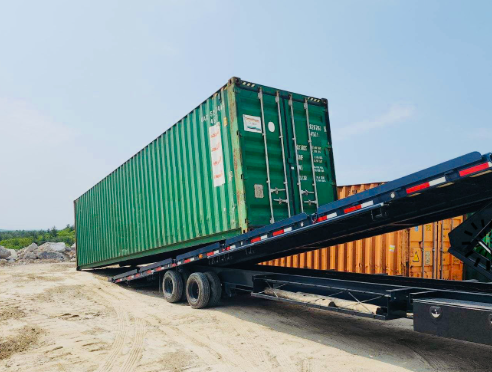
When planning a project that involves moving large containers, equipment, or waste, choosing the right transport method is critical. Two commonly used services are shipping container towing and roll-off service. While they may appear similar at first glance, these services are designed for very different purposes. Selecting the wrong option can lead to unnecessary costs, delays, or logistical challenges.
This guide explains the key differences between shipping container towing and roll-off service, how each works, and which one is best suited for your specific needs. Understanding these differences will help you make informed decisions and ensure your project runs smoothly.
Understanding Shipping Container Towing
Shipping container towing is a specialized service used to transport standard steel shipping containers, typically 20-foot or 40-foot units, from one location to another. These containers are commonly used for storage, construction materials, equipment transport, and commercial inventory.
Shipping container towing focuses on relocating the container itself, not removing its contents. The container is lifted or loaded onto a heavy-duty trailer, securely fastened, and transported to the destination. Once delivered, the container is placed at a designated location for continued use.
This service is often used for:
Temporary storage solutions
Moving containers between properties
Long-term on-site storage needs
Shipping container towing requires powerful trucks, reinforced trailers, and experienced operators due to the size and weight of the containers.
Understanding Roll-Off Service
Roll-off service is commonly associated with waste removal and debris hauling. It involves delivering an open-top roll-off container to a site, allowing it to be filled with waste or materials, and then hauling it away when full.
Unlike shipping containers, roll-off containers are designed for temporary use and are typically emptied and removed rather than relocated for reuse. Roll-off services are widely used in construction, demolition, renovation, and cleanup projects.
Roll-off service is commonly used for:
Large-scale cleanouts
Roofing and renovation projects
Disposal of bulky waste
The container is rolled on and off a specialized truck using a tilting mechanism, making placement quick and efficient.
Key Differences Between Shipping Container Towing and Roll-Off Service
While both services involve large containers and hauling equipment, their purposes and operations differ significantly.
Container Design and Structure
Shipping containers are fully enclosed steel units designed for long-term use and secure storage. They are weather-resistant and lockable, making them suitable for protecting valuable materials and equipment.
Roll-off containers are open-top units designed for easy loading of waste. They are not weatherproof and are not intended for secure storage.
Purpose and Use Case
Shipping container towing is used to relocate and reuse containers. The container remains intact and continues to serve a purpose after transport.
Roll-off service is focused on disposal. Once the container is filled, it is removed and the contents are emptied at a disposal facility.
Duration of Use
Shipping containers are often kept on-site for extended periods, sometimes weeks or months. They are part of ongoing operations or storage needs.
Roll-off containers are typically used for short-term projects. They are delivered, filled, and removed within a defined timeframe.
Equipment and Handling
Shipping container towing requires heavy-duty trailers, secure tie-down systems, and careful balancing. Placement often requires precision to ensure stability and accessibility.
Roll-off service uses trucks with hydraulic systems that roll the container on and off the truck bed. This process is faster but requires sufficient clearance and stable ground.
Cost Considerations
Cost differences between the two services depend on several factors, including distance, duration, container size, and project scope.
Shipping container towing costs are influenced by:
Container size and weight
Distance between locations
Access conditions at pickup and delivery sites
Permit requirements
Roll-off service costs are typically based on:
Container size
Rental duration
Type and volume of debris
Disposal and landfill fees
While roll-off service may appear more affordable initially, it is not suitable for storage or container relocation. Shipping container towing, while potentially more expensive, provides long-term value for reusable containers.
Access and Space Requirements
Both services require adequate space, but their requirements differ.
Shipping container towing needs enough room for long trailers to maneuver, especially when handling 40-foot containers. Tight access areas may require additional planning.
Roll-off service requires sufficient clearance for the truck to tilt and roll the container into place. Overhead obstructions, uneven ground, or sloped surfaces can affect placement.
Understanding site conditions helps determine which service is more practical.
Safety and Regulatory Factors
Shipping container towing often involves oversized loads, which may require permits depending on container size, weight, and travel route. Compliance with transportation regulations is essential to avoid delays or fines.
Roll-off service typically involves fewer permitting requirements but must still comply with waste disposal regulations. Certain materials may be restricted or require special handling.
Safety considerations differ as well. Shipping containers must be securely fastened to prevent shifting during transport, while roll-off containers must be properly loaded to avoid overfilling or spillage.
When Shipping Container Towing Is the Right Choice
Shipping container towing is ideal when:
You need to relocate a storage or cargo container
The container will continue to be used after transport
Secure, enclosed storage is required
The move involves long-term or permanent placement
This option is best for projects that rely on reusable containers and require durability and security.
When Roll-Off Service Is the Right Choice
Roll-off service is the better option when:
The goal is waste removal or debris disposal
The container is only needed temporarily
Quick loading and removal are priorities
Secure storage is not required
Roll-off containers are designed for efficiency in clean-up and disposal, not long-term use.
Choosing the Right Service for Your Project
The decision between shipping container towing and roll-off service depends on the nature of your project. Consider whether you need storage or disposal, how long the container will be on-site, and what materials are involved.
Evaluating access conditions, budget, and timeline will also help guide your choice. Understanding the functional differences between these services prevents costly mistakes and ensures the right solution is used from the start.
Long-Term Planning and Operational Impact
Beyond immediate logistics, the choice between shipping container towing and roll-off service can affect long-term operations. Projects that evolve over time often benefit from reusable containers that can be relocated as needs change. Storage containers can move from one job site to another, supporting multiple phases of work without repeated rentals.
In contrast, roll-off service is better suited for single-purpose tasks with defined end points, such as cleanouts or demolition. Choosing a service that aligns with the full lifecycle of your project helps avoid unnecessary service changes, reduces downtime, and improves overall efficiency.
Conclusion
Shipping container towing and roll-off service serve distinct purposes, even though both involve large containers and hauling equipment. Shipping container towing is designed for relocating and reusing enclosed containers for storage or operations, while roll-off service focuses on temporary waste removal and disposal.
Choosing the right service depends on your project’s goals, duration, and material needs. By er in Hawaii?understanding how each option works and what it is designed for, you can make an informed decision that saves time, controls costs, and supports a successful project outcome.