When Should You Request a Flatbed Tow in Honolulu?
Introduction
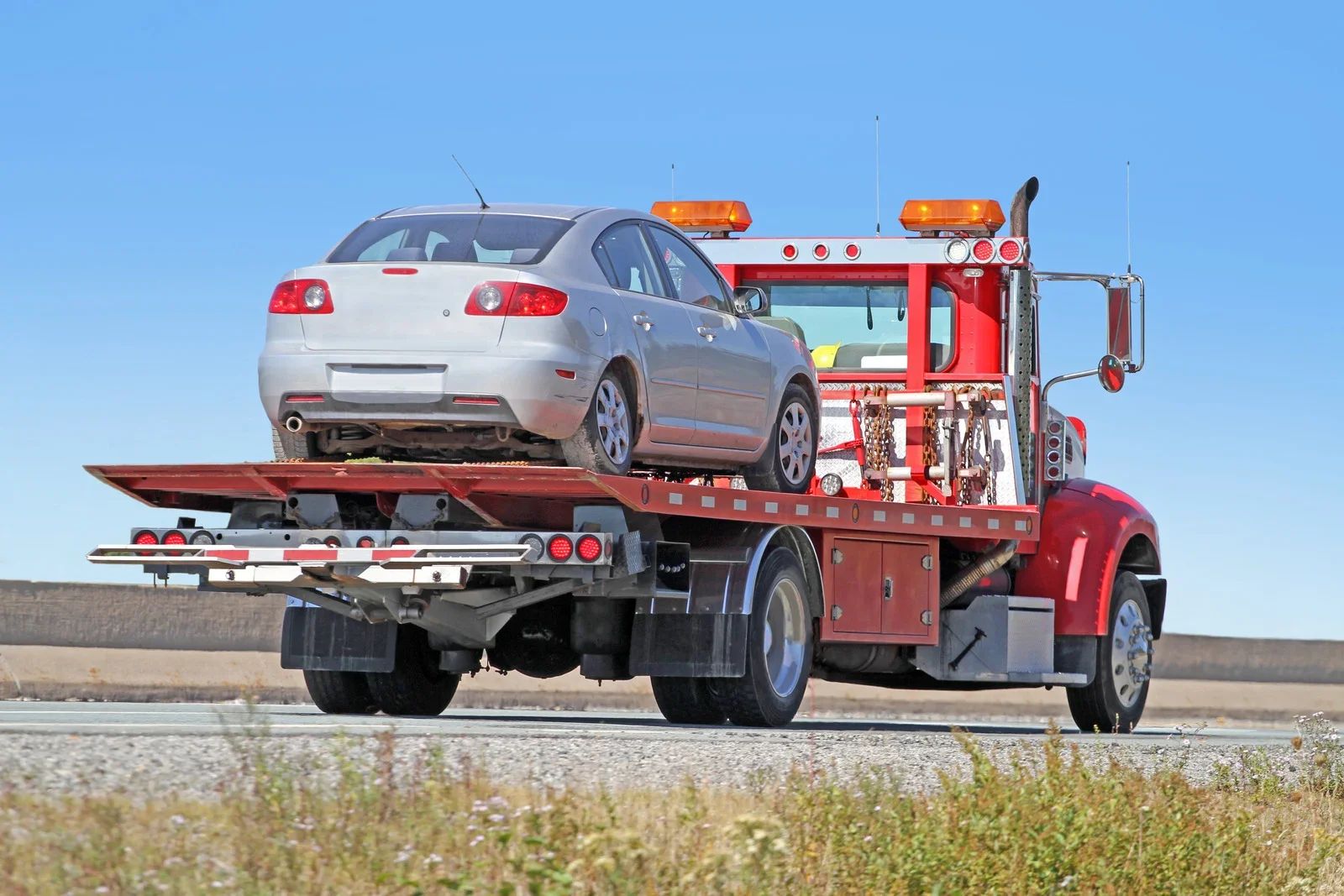
When your vehicle suddenly breaks down or becomes unsafe to drive, choosing the right towing method can make all the difference. Many drivers call for the first available tow truck without realizing there are specific situations when to use flatbed towing—and why this method is often the safest and most recommended option on Oahu.
Flatbed towing lifts your entire vehicle off the ground, preventing damage to the wheels, suspension, and drivetrain. In Honolulu’s mix of busy streets, steep hills, and unpredictable weather, knowing when to request a flatbed tow can protect your car and ensure a smooth, stress-free recovery.
Below are the most common situations where you should specifically ask for flatbed service :
1. After an Accident or Collision
One of the clearest times when to use flatbed towing is after an accident. Even a small crash can cause hidden structural or mechanical issues that make wheel-lift towing unsafe.
You should request a flatbed tow if your vehicle:
Has frame or bumper damage
Can’t roll properly
Has misaligned or bent wheels
Has leaking or hanging components
Shows visible suspension damage
For example, if you’re involved in a minor fender-bender on Kapiʻolani Boulevard or a multi-car collision on the H-1, a flatbed tow ensures your damaged vehicle isn’t dragged—preventing further strain or complications during transport.
2. When Your Vehicle Stops Running or Suffers a Major Breakdown
If your vehicle suddenly breaks down in areas like Moanalua, Ala Moana, or Kapolei, a flatbed tow is often the safest way to move it—especially if the vehicle won’t start or shift.
Request a flatbed tow when your car has:
Transmission failure
Locked wheels
Engine seizure
Brake lockup
Electrical system failure
A wheel-lift truck may not be able to safely tow a car that can’t roll or shift into neutral. A flatbed tow truck can winch the car onto the bed without adding further damage.
3. If Your Wheels or Tires Are Damaged
Honolulu’s roads can take a toll on your vehicle. Potholes in Kalihi, curbs in Waikīkī, and uneven terrain near construction zones often cause wheel or tire damage.
Flatbed towing is recommended when:
You have a broken or bent wheel
Your tires are shredded or missing
Your vehicle has multiple flats
Your wheel lug nuts are stripped
Your alignment is severely off
If your wheels can’t roll smoothly, wheel-lift towing can drag or twist your suspension. A flatbed guarantees the vehicle is lifted safely without causing additional stress.
4. If You Drive an AWD or 4WD Vehicle
All-wheel-drive and four-wheel-drive vehicles require special handling when towed. These drivetrains are designed for all wheels to rotate together—and towing with two wheels on the ground can destroy the transmission or differential.
Request flatbed towing for AWD/4WD vehicles such as:
Subaru Outback, Forester, Crosstrek
Toyota 4Runner & Highlander
Honda CR-V
Jeep Wrangler & Cherokee
Trucks with 4x4 systems
This is why flatbed towing is strongly recommended for Honolulu areas with many AWD drivers, like Hawaiʻi Kai, Manoa, and Kailua.
5. During Flooding or Severe Weather
Honolulu occasionally deals with flash floods, heavy rains, and storm surges—especially in areas like Mapunapuna, Kakaʻako, and along Nimitz Highway.
You should request flatbed towing when:
Your engine has flooded
Your car stalled after driving through water
Electrical systems have shorted out
Water reached the cabin or undercarriage
Flood-damaged vehicles are extremely fragile. A flatbed tow prevents contaminated water from shifting deeper into sensitive components during transport.
6. When Towing Luxury, Low-Clearance, or High-Value Vehicles
Flatbed towing offers the highest level of protection for luxury and performance vehicles. Honolulu has no shortage of high-end models, especially in Waikīkī, Kahala, and Kakaʻako.
Flatbed towing is ideal for:
Teslas
Mercedes & BMW
Porsches & Corvettes
Vintage or classic cars
Modified or lowered imports
These vehicles often have low front ends, long wheelbases, delicate suspensions, and sensitive electronics. A flatbed prevents scraping, bumper damage, and suspension strain.
7. When Hauling Heavy Trucks, Vans, or Specialty Vehicles
Flatbed towing can handle vehicles that wheel-lift trucks simply can’t manage. This includes larger or heavier vehicles often seen in Kapolei, Pearl City, and industrial areas.
Choose a flatbed tow for:
Cargo vans
Work trucks
Dually pickups
Small machinery
Oversized SUVs
A flatbed ensures balanced weight distribution and safer transport across long distances on Oahu.
8. If Your Vehicle Has Been Parked in a Difficult or Hazardous Area
Some Honolulu locations present unique towing challenges—steep driveways in St. Louis Heights, tight parking in Chinatown, or narrow residential streets in Palolo.
A flatbed tow is best when:
Your vehicle is stuck in an incline
The parking spot is too tight to maneuver
Your car is immobilized off-road
Wheel lifting would scrape the bumper
Flatbed drivers can load the vehicle straight onto the platform without dangerous pulling angles.
Local Examples Around Honolulu
Here are real-world examples that show when to use flatbed towing across Oahu:
H-1 Accident: A three-car collision near the Punahou exit leaves one car with bent axles—flatbed tow required.
Waikīkī Flooding: Storm runoff stalls vehicles near Ala Wai Boulevard—flatbeds safely transport them without dragging water-damaged components.
Kailua AWD Breakdown: A Subaru Outback with transmission issues needs a flatbed to avoid further drivetrain damage.
Kakaʻako Luxury Car Transport: A Tesla needs to be moved to a repair shop—flatbed towing keeps the battery and sensors protected.
St. Louis Heights Hillside Driveway: A car stuck on a steep incline can only be safely loaded using a flatbed.
These situations highlight why flatbed towing is often the superior choice based on Honolulu’s geography, weather, and diverse vehicle types.
Flatbed Towing in Honolulu: When It’s the Best Choice
Flatbed towing is the safest and most versatile towing method, especially for AWD vehicles, luxury cars, accident-damaged vehicles, and situations where your car cannot roll. In a city like Honolulu—with tight streets, steep areas, and heavy traffic—it’s often the best way to ensure your vehicle is transported without further damage.
Need Fast, Safe Flatbed Towing in Honolulu?
Contact Discount Towing for expert towing recommendations. We’re available 24/7 to help anywhere on Oahu—whether you’re dealing with a breakdown, accident, flood damage, or need careful transport for a high-value vehicle.