
Why Car Lockouts Happen So Often & How to Prevent It in Hawaii
Car lockouts are a common and frustrating experience for drivers across Hawaii, especially on Oahu where busy lifestyles, warm weather, and modern vehicle technology increase the risk. Most lockouts aren’t caused by carelessness—they happen during everyday moments like quick stops, trunk loading, or relying on keyless entry systems that don’t behave as expected. This guide explains why car lockouts occur so often in Hawaii and shares simple, practical tips drivers can use to prevent them, saving time, stress, and unnecessary roadside emergencies.

Most Common Equipment We Haul with Lowboys & Landolls in Honolulu
Lowboy and Landoll trailers are essential for hauling heavy and oversized equipment across Honolulu, where urban density, limited access, and strict regulations demand specialized transport solutions. From excavators and bulldozers to cranes, forklifts, and industrial generators, these trailers are designed to safely move machinery that cannot travel on public roads under its own power. Understanding which types of equipment are commonly hauled with lowboys and Landolls helps explain why they are the preferred choice for efficient, compliant, and reliable heavy equipment transport on Oahu.

How Much Does Heavy Equipment Hauling Cost on Oahu?
Heavy equipment hauling costs on Oahu vary widely based on factors such as equipment size and weight, distance, access conditions, trailer requirements, permits, and scheduling. Because each haul presents unique logistical challenges—especially in Oahu’s urban and island environments—pricing is typically customized rather than fixed. Understanding what influences hauling costs helps contractors and equipment owners budget accurately, avoid surprises, and plan equipment moves more efficiently.
Lowboy vs Landoll Trailer: What’s the Difference (and Which One Do You Need)?
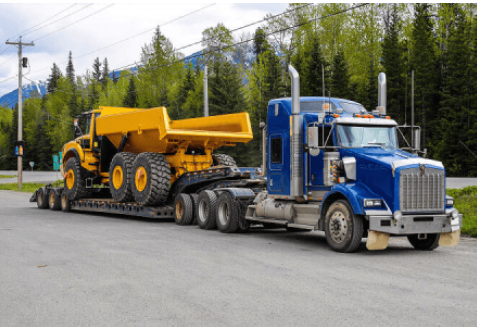
Lowboy and Landoll trailers are both commonly used for heavy and oversized transport, but they serve different purposes and perform best in different situations. Lowboy trailers are designed to keep tall loads under height restrictions, while Landoll trailers use a hydraulic tilting deck to allow ground-level loading of heavy, rigid cargo. Understanding the key differences between these trailers helps ensure the right equipment is chosen for safer, more efficient, and more cost-effective transport.
Shipping Container Moving for Construction Sites in Honolulu
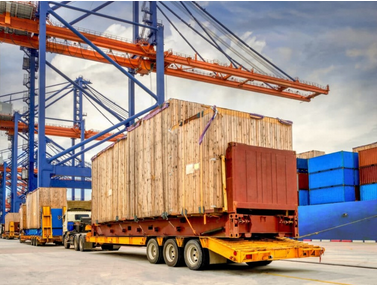
Shipping containers play a vital role on construction sites in Honolulu, providing secure, on-site storage for tools, materials, and equipment. As projects progress, these containers often need to be repositioned or relocated, which requires careful planning, specialized equipment, and coordination with active job site operations. Understanding the unique challenges of moving shipping containers in Honolulu—such as limited space, traffic conditions, and permit requirements—helps contractors ensure safe, efficient moves that support productivity and keep projects on schedule.
Can You Tow a Loaded Shipping Container? What’s Safe and What’s Not
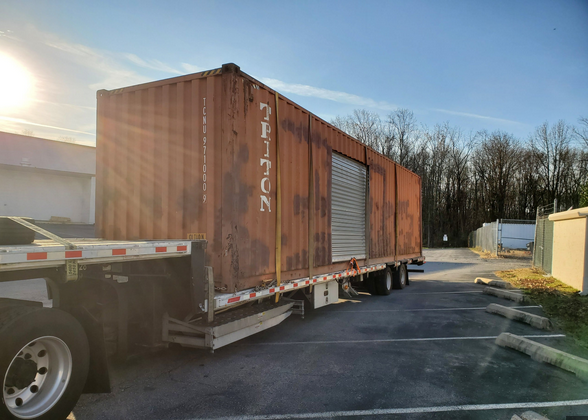
Towing a loaded shipping container is possible, but it is not always safe or appropriate. The added weight significantly affects stability, braking, equipment requirements, and legal compliance, making proper planning essential. Understanding when a loaded container can be towed—and when it should be unloaded first—helps prevent accidents, delays, and regulatory issues while ensuring the move is completed safely and efficiently.
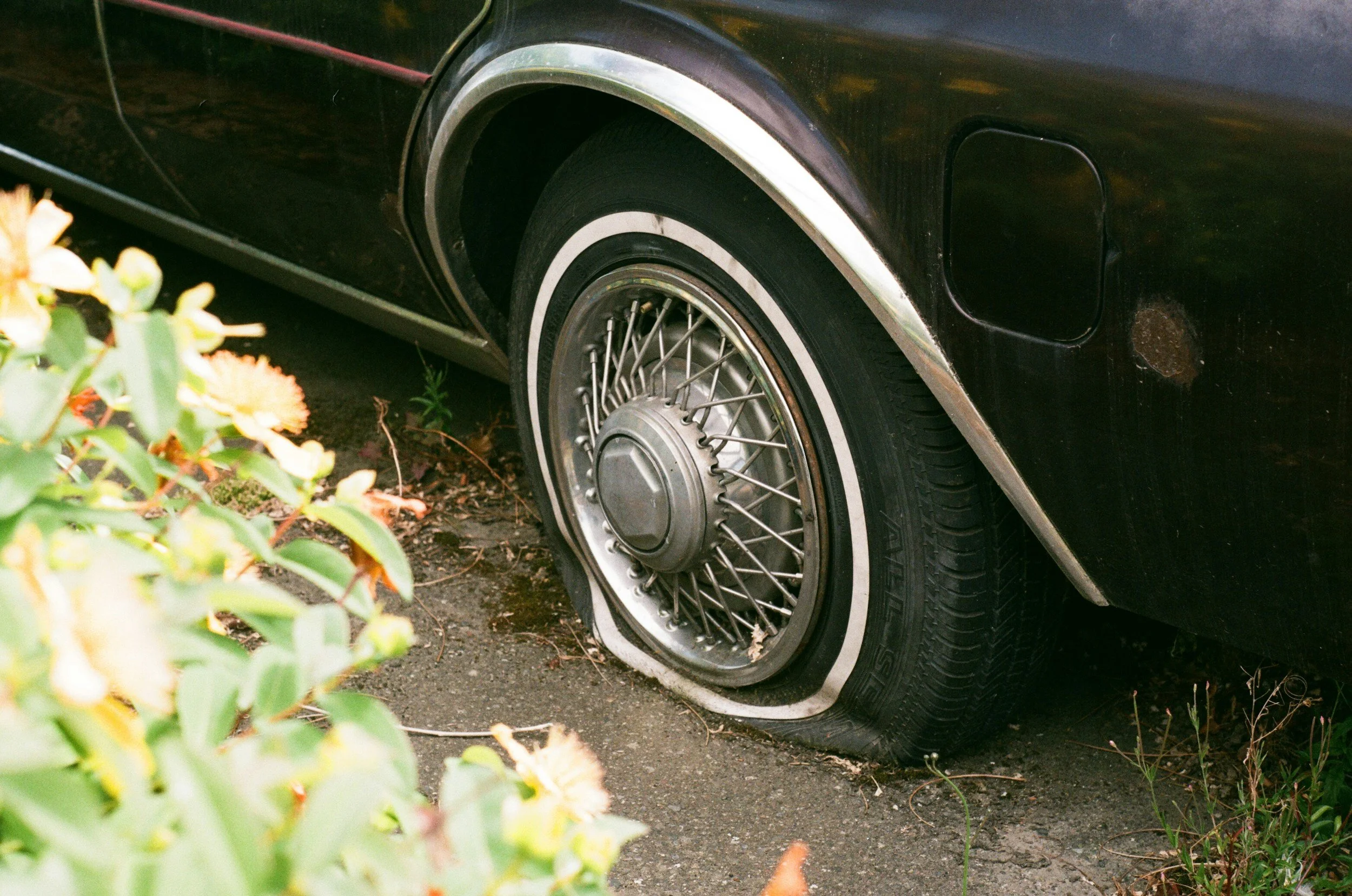
Flat Tire in Honolulu? What to Do First?
A flat tire in Honolulu can quickly become a safety concern, especially in heavy traffic, on narrow roads, or along busy highways. Knowing what to do in the first moments after a tire goes flat is critical to protecting yourself, your passengers, and other drivers. This guide outlines the essential steps to take immediately after a flat tire in Honolulu—from slowing down safely and choosing the right place to stop to deciding whether to change the tire or call for help—so you can handle the situation calmly and safely.

Certified vs. Non-Certified Tow Operators: What to Know
When your car breaks down unexpectedly, choosing the right tow operator is just as important as choosing the right towing company. Not all tow truck drivers are trained the same way, and the difference between a certified and non-certified operator can significantly affect the safety of your vehicle, the quality of the service, and even who is responsible if something goes wrong.