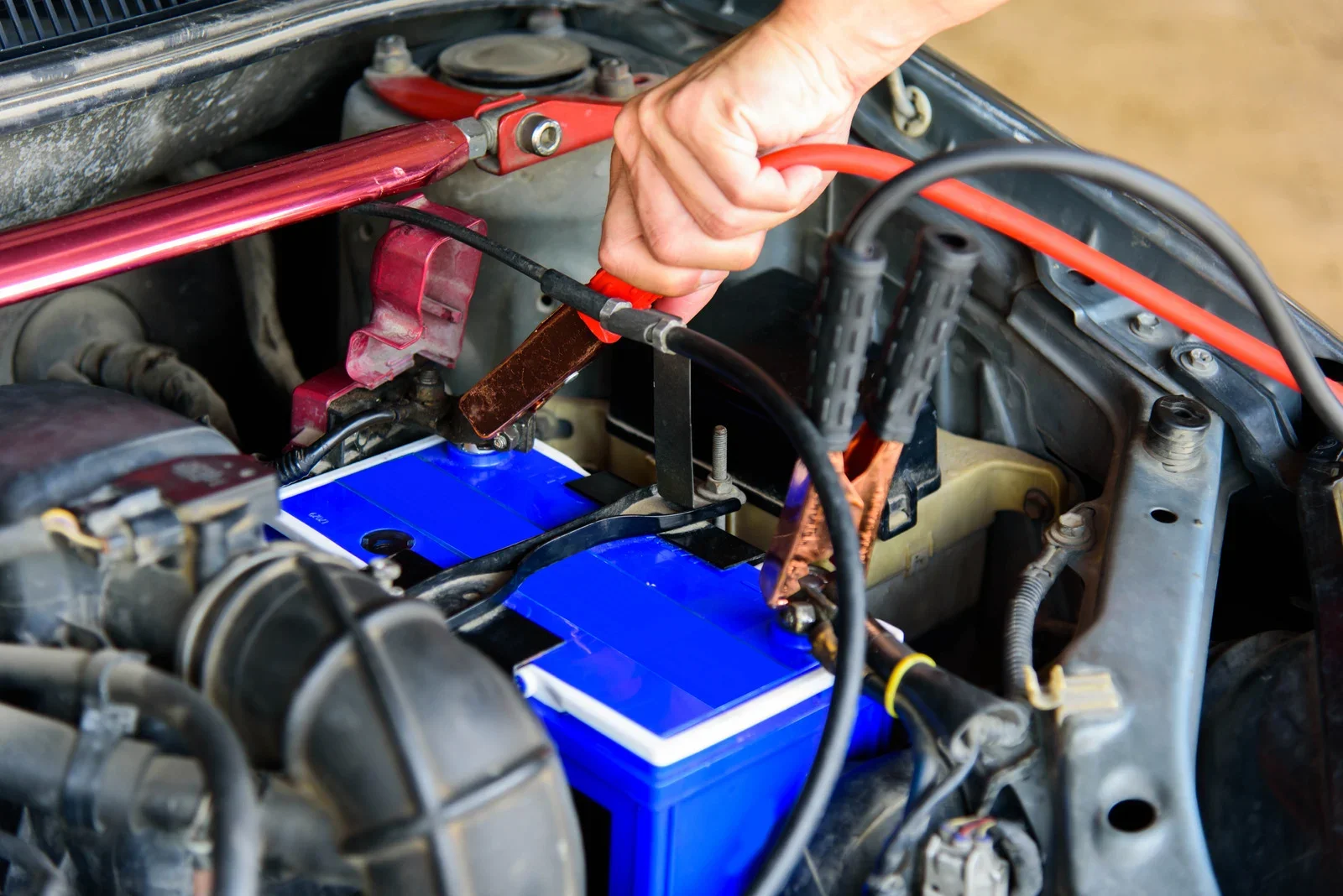
Car Won’t Start? 7 Signs It’s a Dead Battery (Not Your Starter)
When your car won’t start, it’s easy to assume the worst — but in Honolulu and Central Oahu, the most common cause is a dead battery. Learn the 7 clear signs your battery is failing, what to do immediately, and when to call for a safe, professional jumpstart.
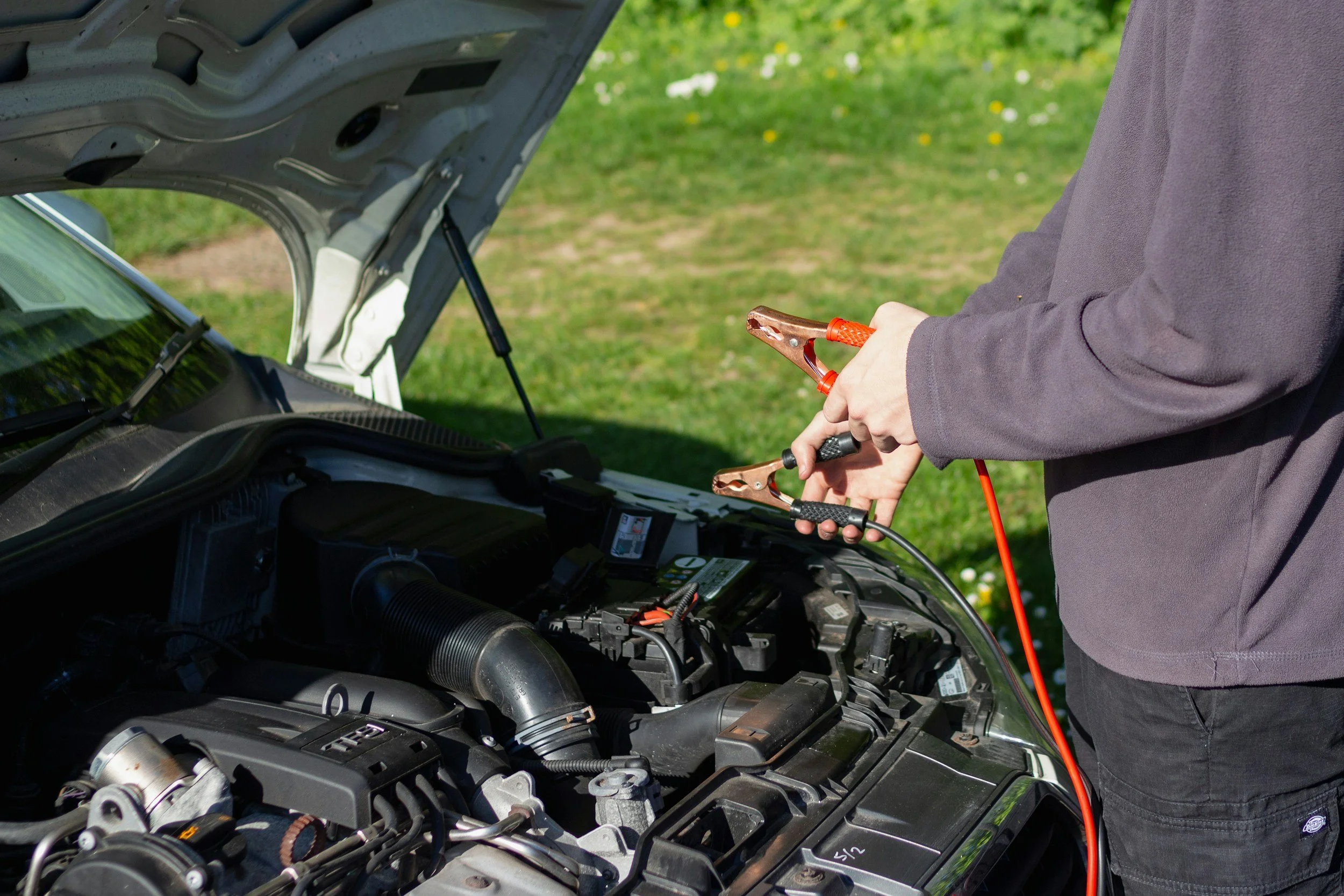
Is Jumpstart Covered by Insurance or Roadside Assistance in Hawaii?
Is a jumpstart covered by insurance in Hawaii? In most cases, standard auto insurance doesn’t cover dead batteries—but roadside assistance often does. This guide explains the difference between insurance and roadside coverage, how to check your policy, and what options Hawaii drivers have when their car won’t start.
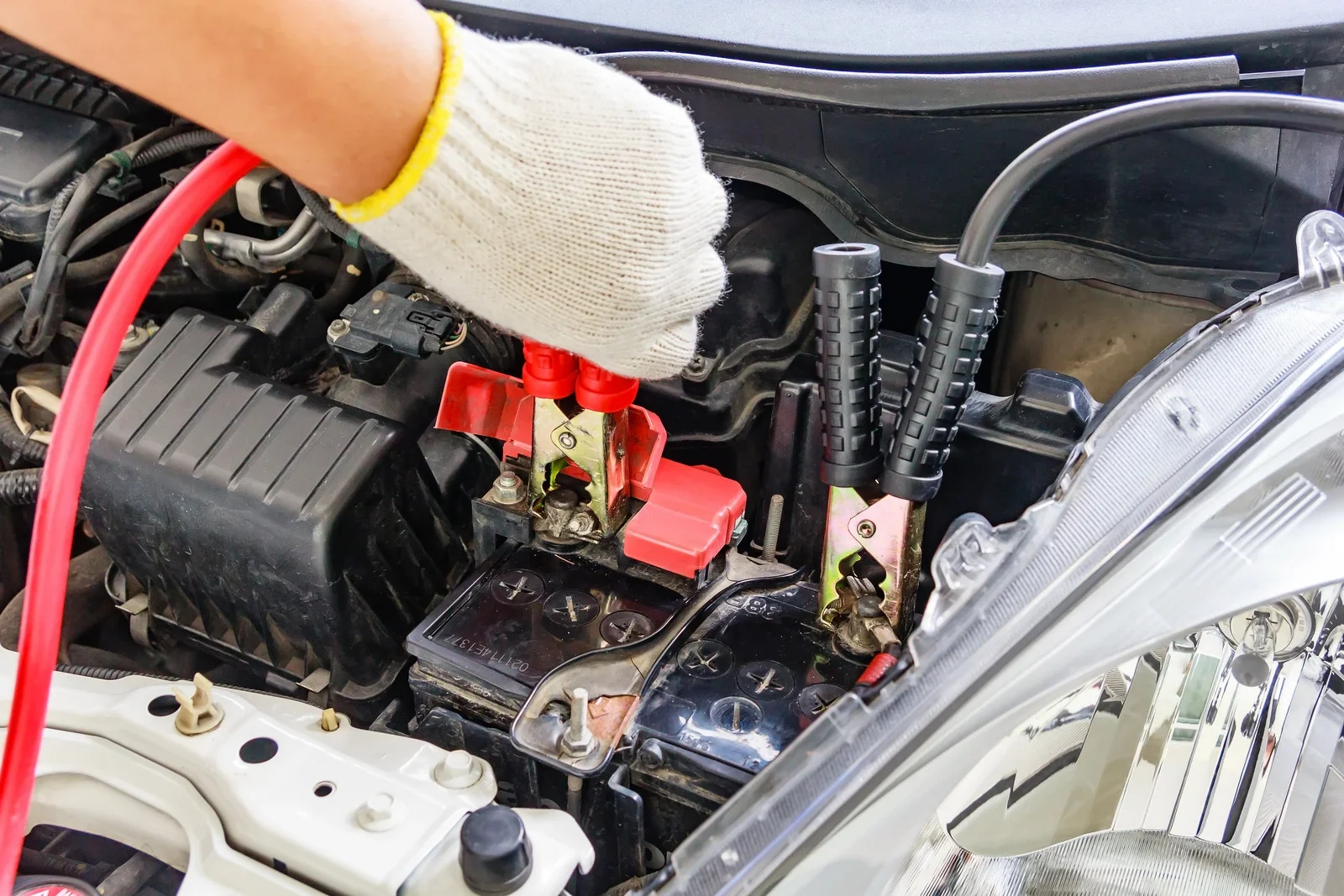
What to Do While Waiting for a Jumpstart (Safety Checklist)
Stuck with a dead battery and waiting for a jumpstart? What you do before help arrives matters for your safety and your vehicle. This step-by-step checklist explains how to stay visible, avoid common mistakes, protect your electrical system, and prepare for a faster, safer jumpstart—especially if you’re stranded at night or in traffic.
24/7 Battery Jumpstart Service in Honolulu: Where We Help Most
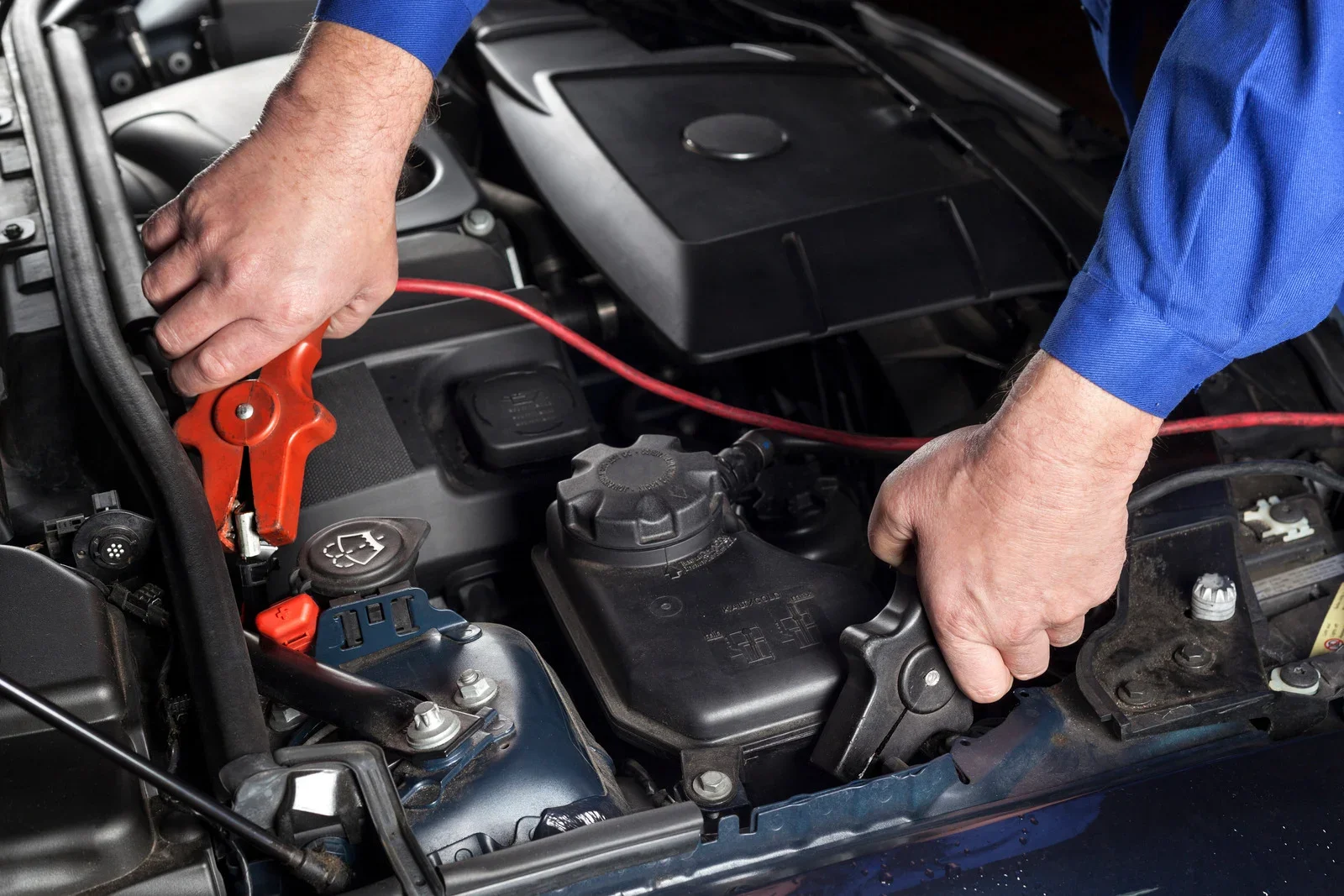
Dead batteries can happen anywhere—and often at the worst time. This guide explains why jumpstart calls are so common in Honolulu, the most frequent places drivers need help (homes, parking lots, workplaces, roadsides, and tourist areas), and why 24/7 professional jumpstart service is the safest way to get back on the road without risking costly mistakes.
Battery Keeps Dying? Here’s Why It Happens Again After a Jumpstart
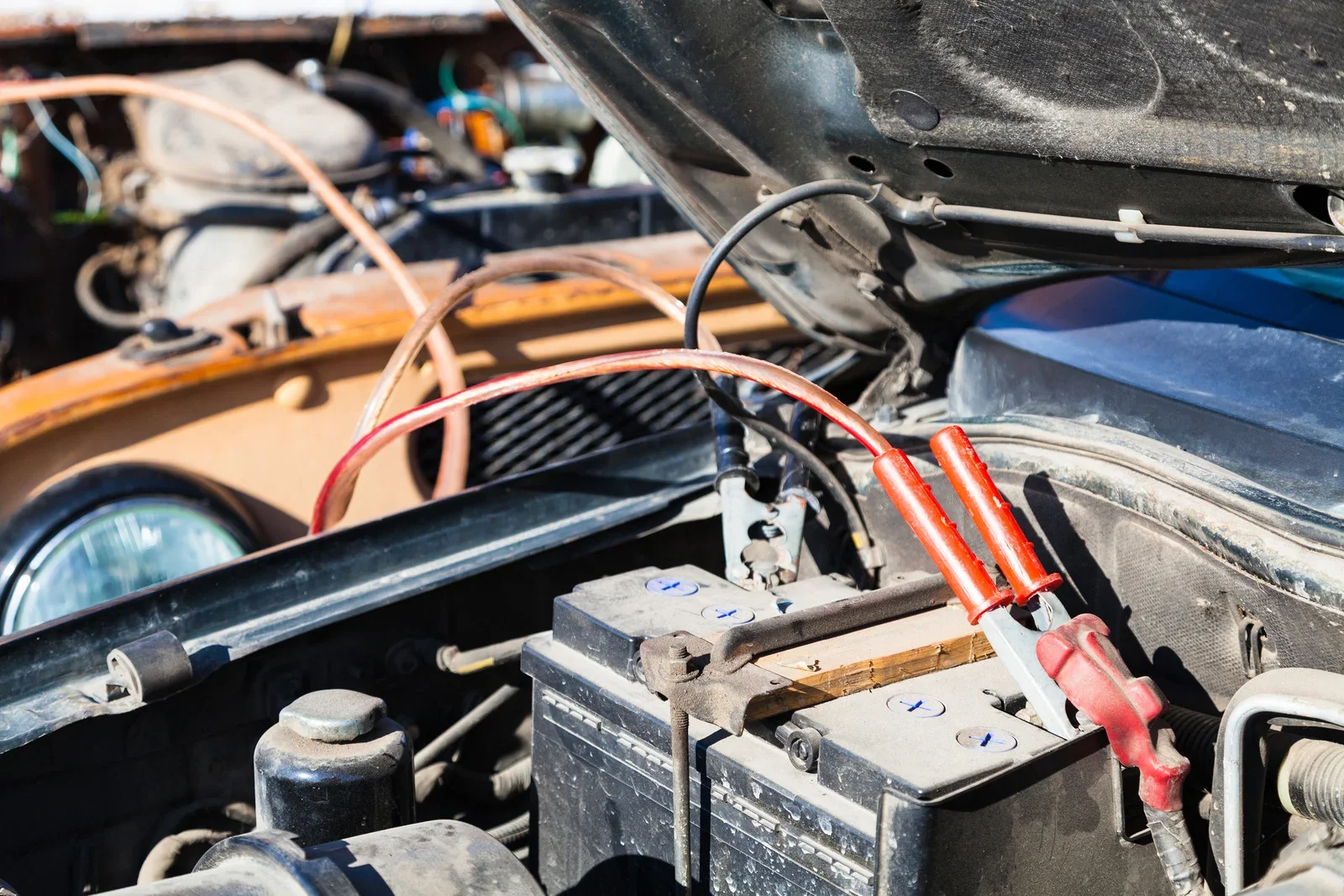
If your battery keeps dying after a jumpstart, the problem usually isn’t “bad luck”—it’s an underlying issue like a failing battery, alternator trouble, parasitic drain, or corroded connections. This guide explains why jumpstarts are often temporary, what causes repeat breakdowns in Hawaii, and how to stop the cycle for good.

The #1 Jumpstart Mistake That Can Damage Your Car (And How to Avoid It)
Jumpstarting a dead battery seems simple, but one mistake can cause expensive damage—especially in modern cars loaded with sensitive electronics. Learn the #1 jumpstart mistake that can fry modules or trigger electrical failures, why it happens so often, and how to avoid it in Honolulu and across Oahu.
What Equipment Is Used for Shipping Container Towing? (Flatbeds, Landolls, and More)
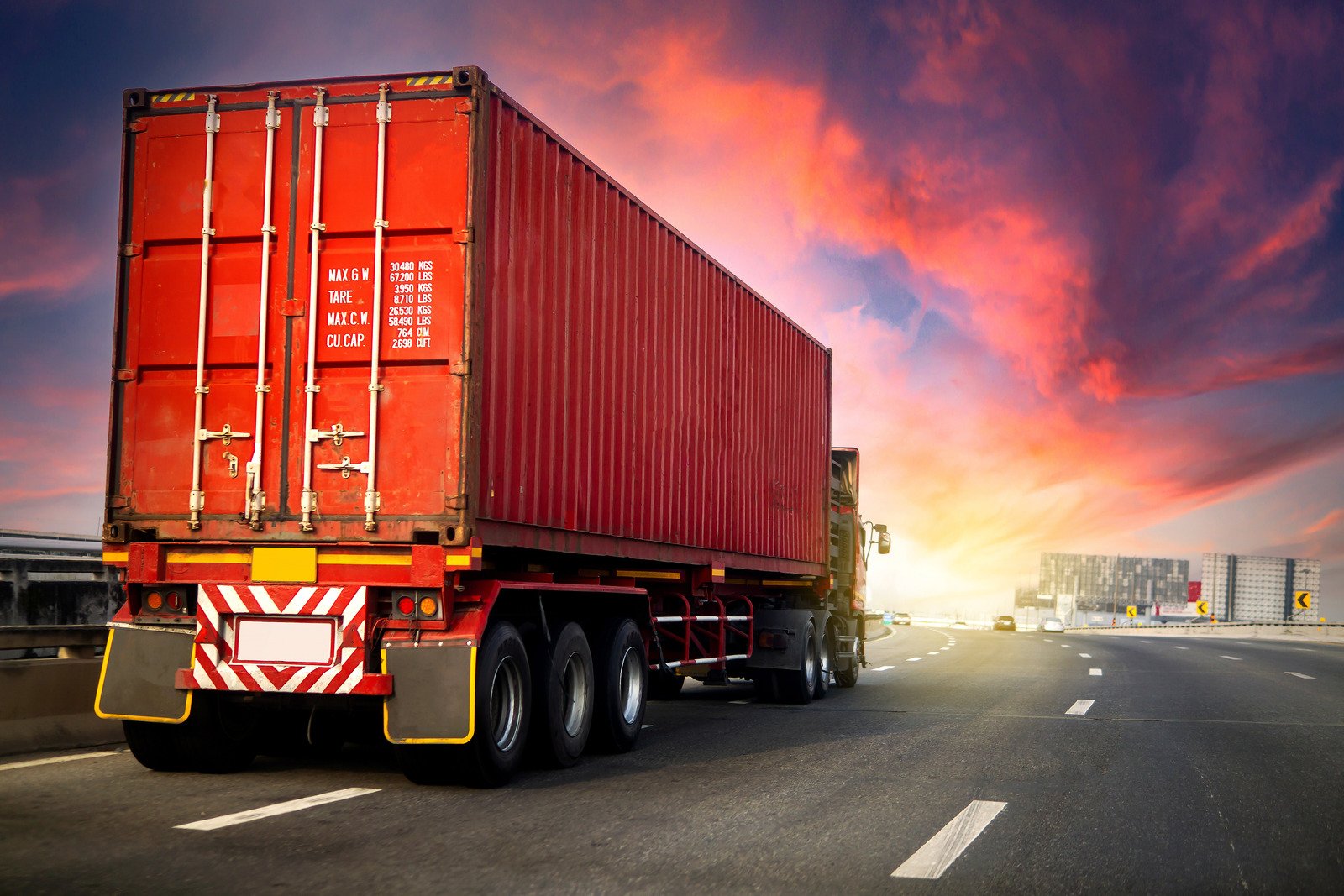
Shipping container towing requires specialized equipment designed to handle extreme weight, rigid steel construction, and precise placement needs. Unlike standard vehicle towing, containers must be secured using standardized corner castings and transported with heavy-duty trailers and trucks built for stability and control. Common equipment includes flatbed trailers, Landoll (traveling axle) trailers, side loaders, cranes, and powerful tow trucks, along with proper securement systems like twist locks and chains. Choosing the right equipment is essential for safety, efficiency, regulatory compliance, and preventing damage during transport.Modern cars are packed with electronics, sensors, and onboard computers-so jumpstarting isn’t as simple as it used to be. Learn whether it’s safe to jumpstart a modern car, what mistakes can damage sensitive systems, and when professional help is the safer option in Honolulu and across Oahu.
Shipping Container Towing vs Roll-Off Service: Which One Do You Need?
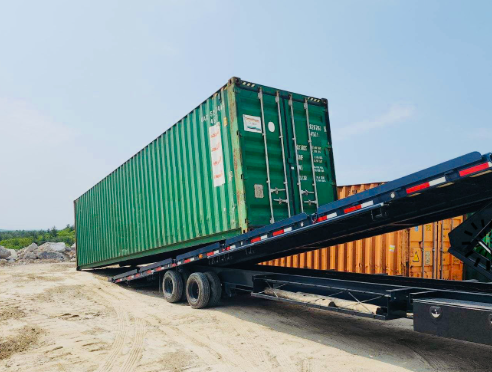
Shipping container towing and roll-off service may look similar, but they’re built for very different purposes-relocation and storage vs. waste removal and disposal. This guide explains how each service works, the key differences in equipment, cost, and site requirements, and how to choose the right option to avoid delays and unnecessary expenses.